Dor Lombar e Cervicalgia: sintomas e tratamento em Lisboa

LOMBAR PAIN AND CERVICALGIA - Treatment in Lisbon

Specialised neurological assessment and treatment for back pain in Lisbon

WHAT IS LUMBAR AND CERVICAL PAIN?
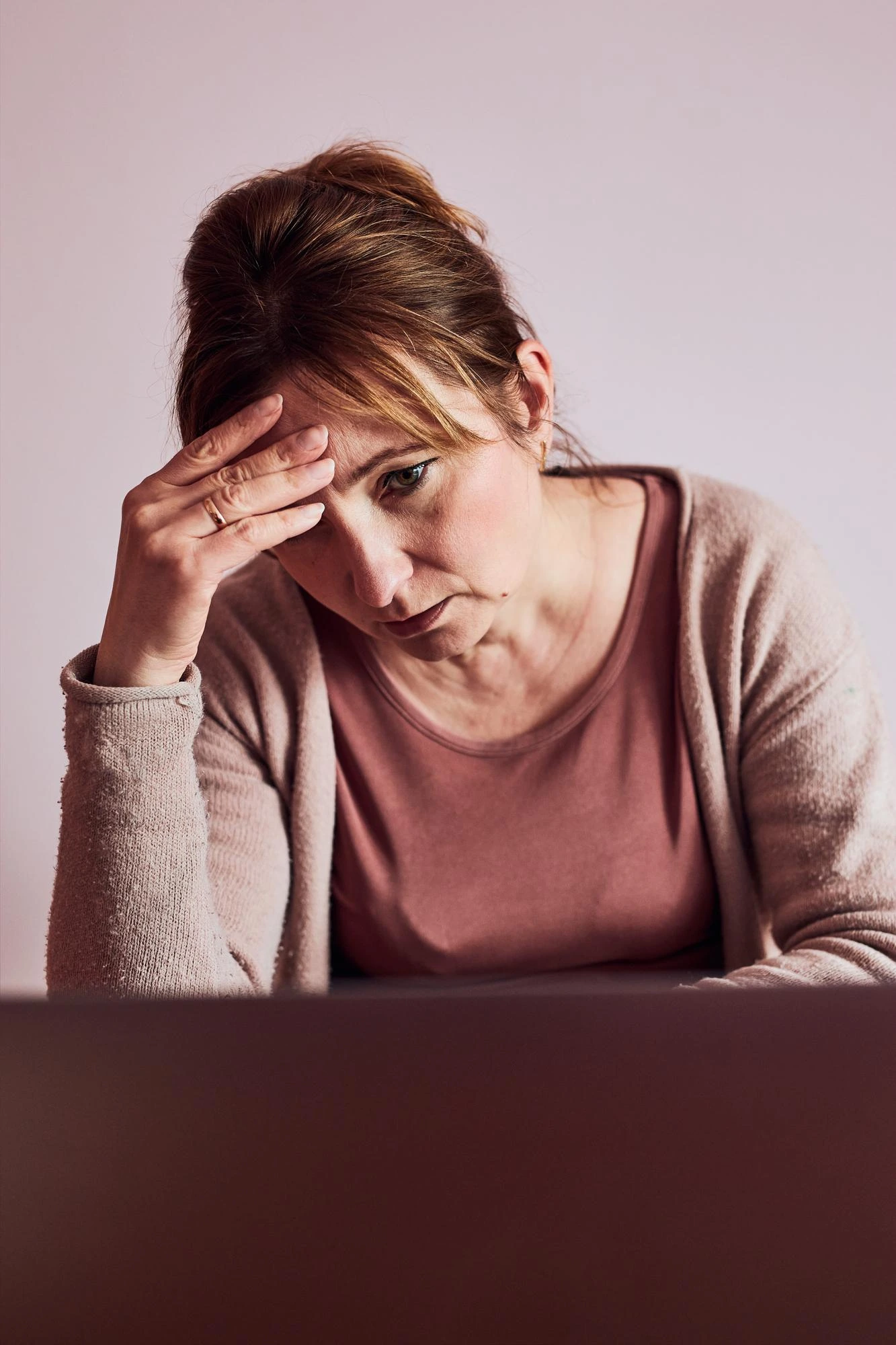
Avaliação neurológica e biomecânica da coluna cervical e lombar — NeuroPsyque Lisboa

A disabling condition of the spinal axis

Low back pain and neck pain are often the result of chronic muscle tension, nerve compression or joint degeneration. They cause not only intense localised pain, but also neurological irradiation (to other parts of the body), marked stiffness, and constant discomfort with a profound impact on mobility and quality of life.

Most common manifestations

  • Localised or Irradiated Pain
    Intense discomfort that can go down the arms (cervicobrachialgia) or radiate to the legs (sciatica).
  • Neurological changes
    Sensations of tingling, numbness, stinging, burning or loss of strength and reflexes in the limbs.
  • Stiffness and loss of mobility
    Difficulty rotating the neck, bending the back or maintaining a prolonged upright posture.
  • Tension Overload and Fatigue
    Persistent muscle tension and spasms that aggravate physical exhaustion and seriously impair sleep quality.

CAUSES AND TRIGGERS

Herniated and Protruded Discs

Compression and inflammation of the spinal nerve roots due to wear or displacement of the intervertebral discs.

Structural

Postural overload

Incorrect postures maintained for long hours (e.g. repetitive physical work, use of mobile phones, computers, etc.) which shorten and wear out the cervical and lumbar muscles.

Mechanical / Ergonomic

Arthrosis and Joint Wear

Natural degenerative processes that cause chronic inflammation, calcifications and painful friction in the articular facets of the spine.

Degenerative

Stress and Myofascial Syndrome

Emotional and psychological tension translates physically into chronic muscle contractions, forming trigger points and perpetuating tension pain.

Myofascial / Emotional
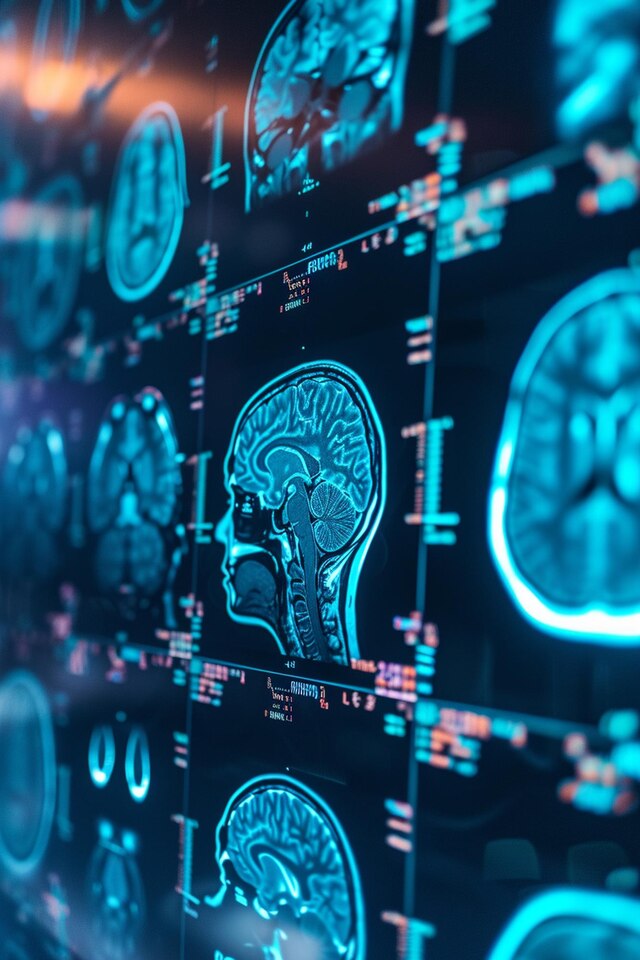
Avaliação anatómica e neurológica da coluna cervical e lombar

Mechanical, neurological and emotional factors often coexist in the perpetuation of chronic back pain.

EFFECTIVENESS IN THE TREATMENT OF BACK PAIN

Clinical results supported by systematic reviews in low back pain, neck pain and disc herniation

70.4%
of extrusive lumbar disc herniations show spontaneous regression with conservative treatment, rising to 93% in sequestrated ones
70.39%
is the estimated overall incidence of lumbar disc herniation resorption in conservatively treated patients
-15.2
points out of 100 for pain reduction with therapeutic exercise in chronic low back pain, clinically important difference compared to controls
+13.84
points out of 100 for functional improvement with manual therapy combined with exercise in neck pain, with an average additional reduction of 2.44/10 pain points

Sources: clinical data, Rashed et al. (2023), Journal of Neurosurgery: Spine - https://pubmed.ncbi.nlm.nih.gov/37486886/, Zou et al. (2024), Clinical Spine Surgery - https://pubmed.ncbi.nlm.nih.gov/37559207/, Hayden et al. (2021), Cochrane Database of Systematic Reviews - https://pubmed.ncbi.nlm.nih.gov/34580864/, Cochrane Neck Review (2025) - https://pubmed.ncbi.nlm.nih.gov/41363159/
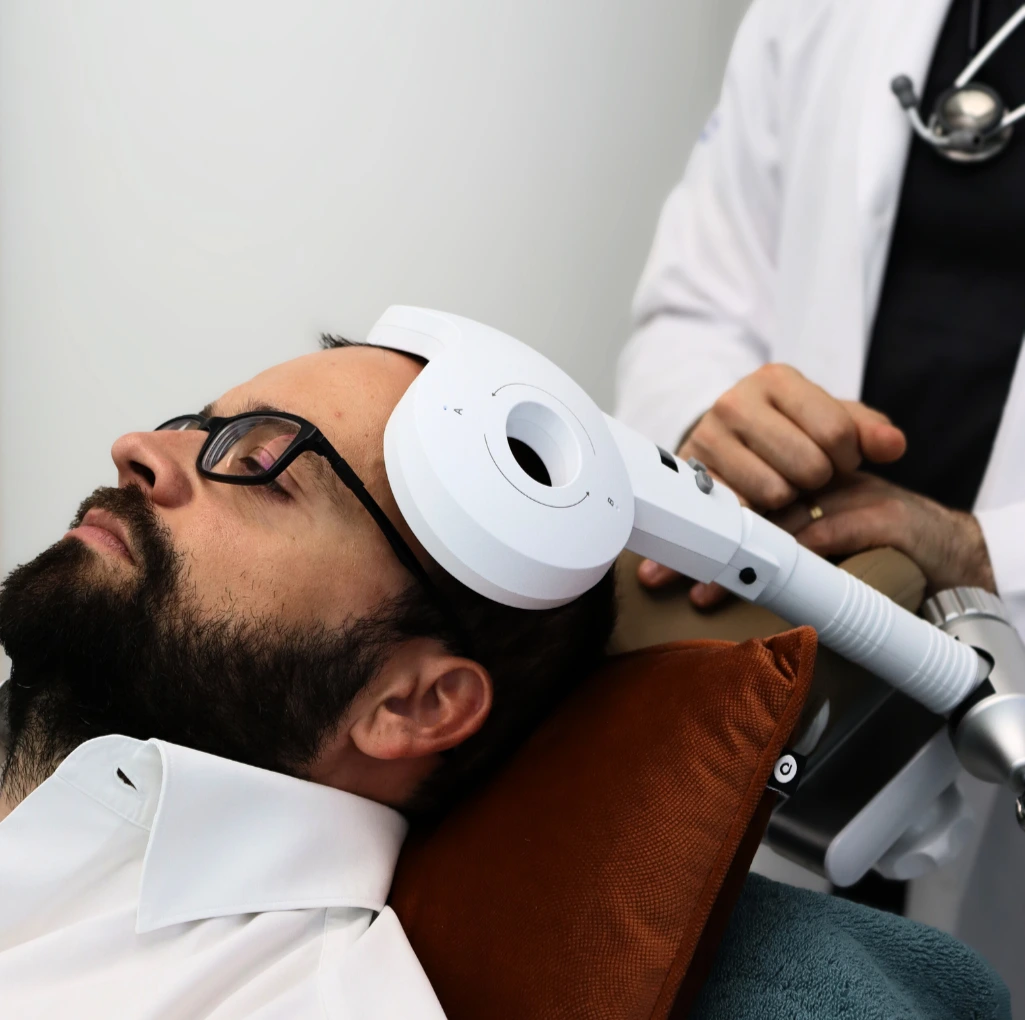
TECHNOLOGY AND THE CLINICAL ENVIRONMENT

Avaliação da condução nervosa e lesões radiculares
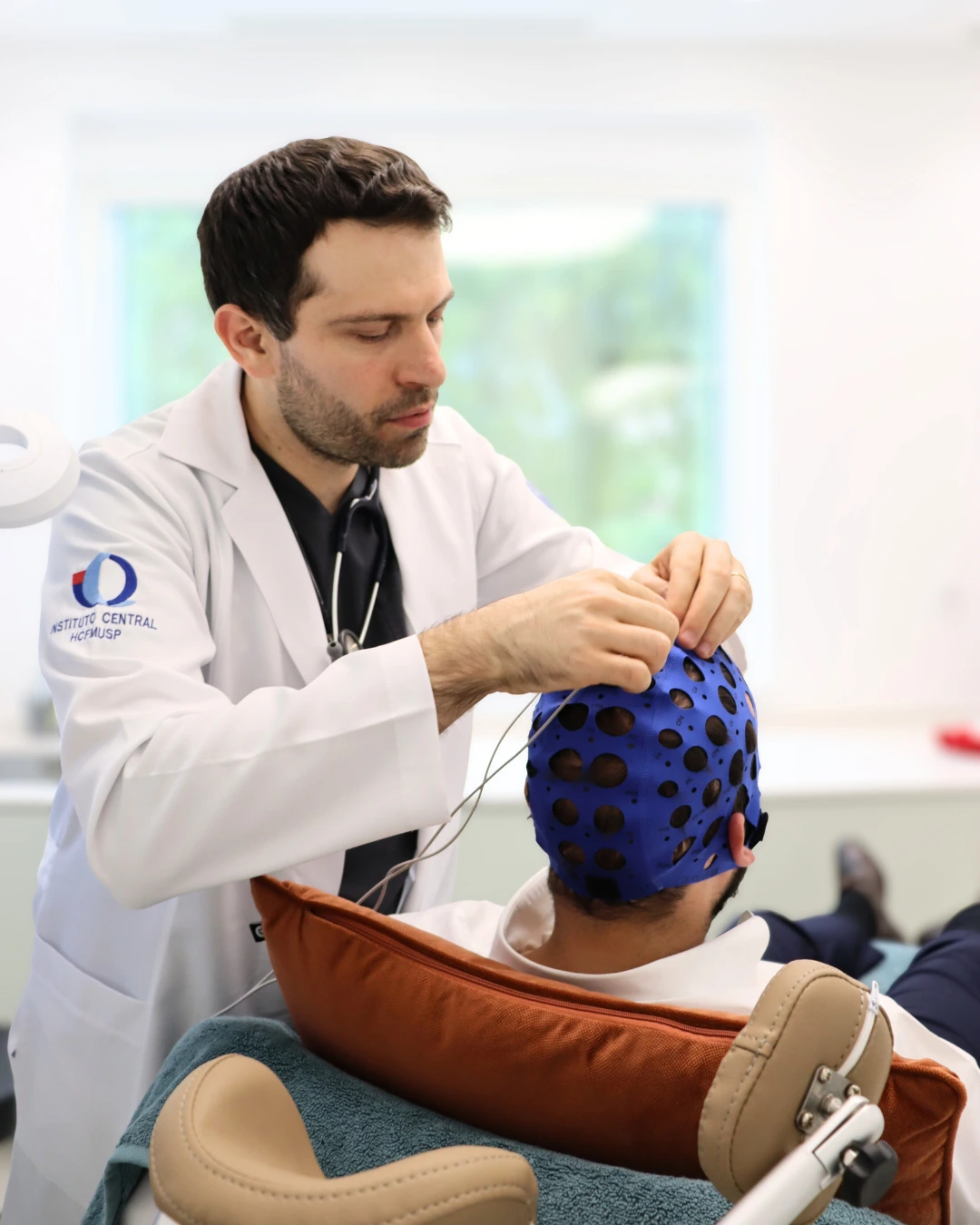
Estimulação Magnética Transcraniana (EMT) para controlo da dor crónica
tDCS na modulação dos sinais de dor lombar e cervical
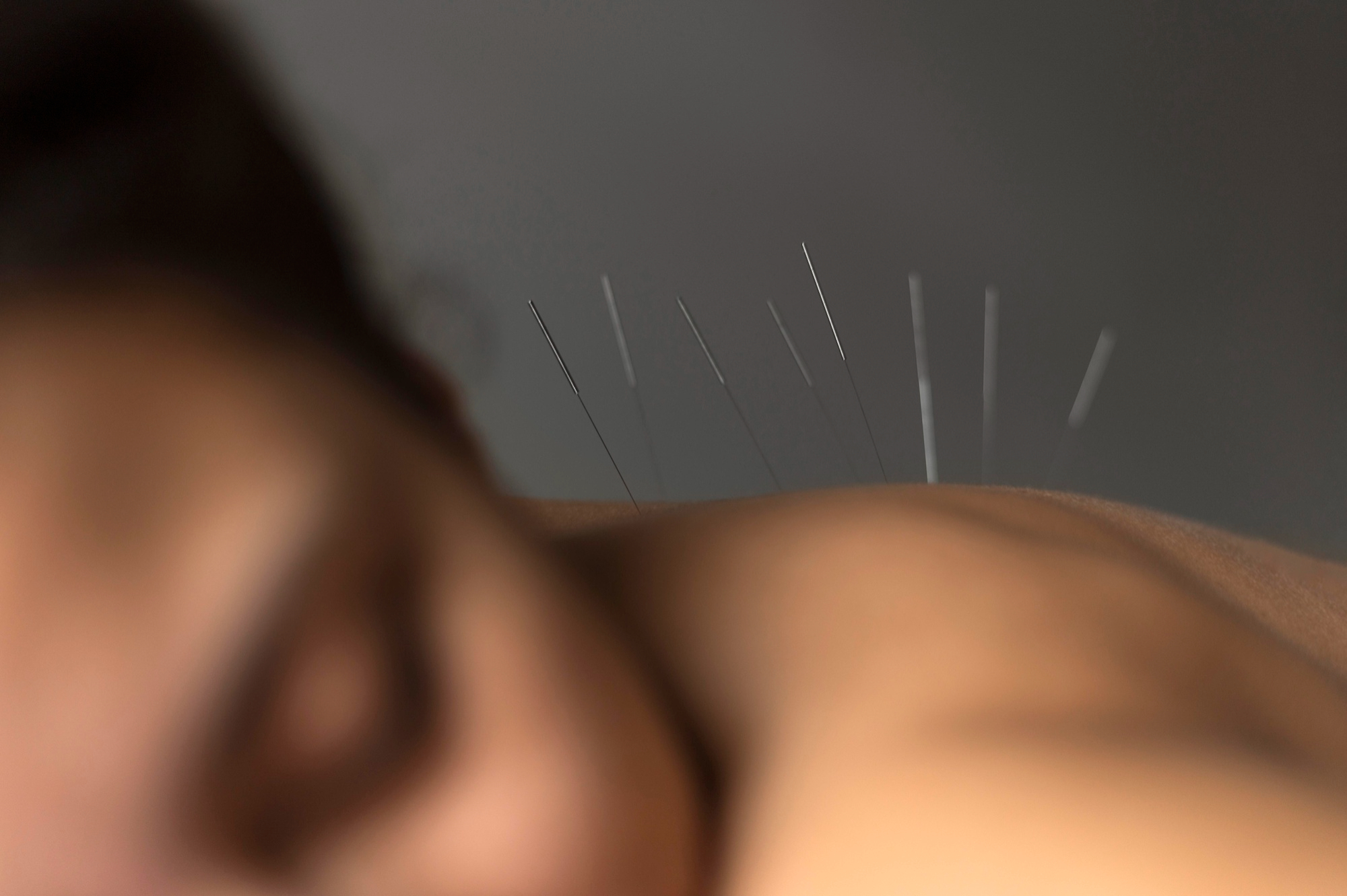
Acupuntura médica e libertação de pontos-gatilho
Neuromodulação para alívio de dor e tensão miofascial
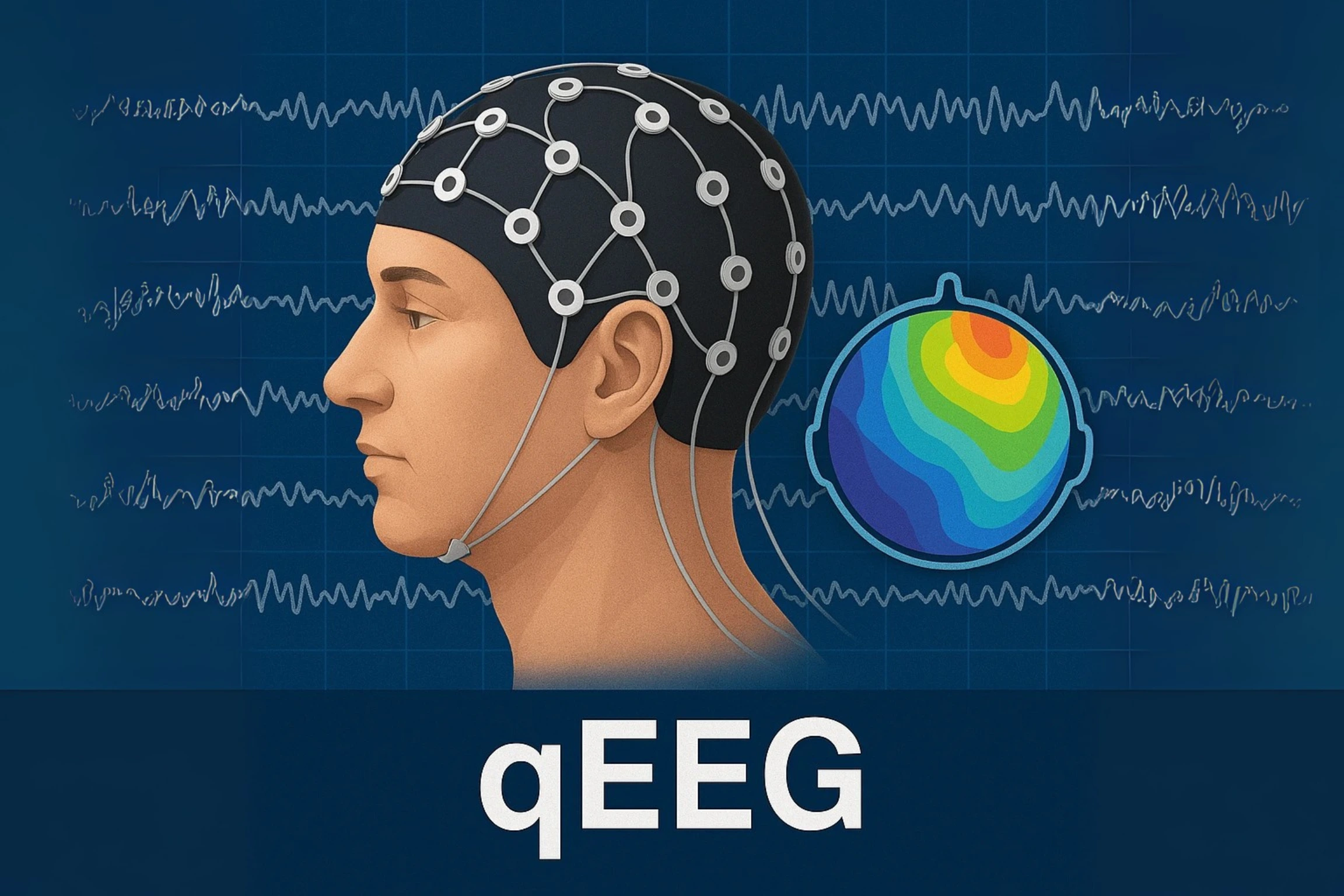
Mapeamento Cerebral e estudo da dor centralizada
Clínica Lisboa
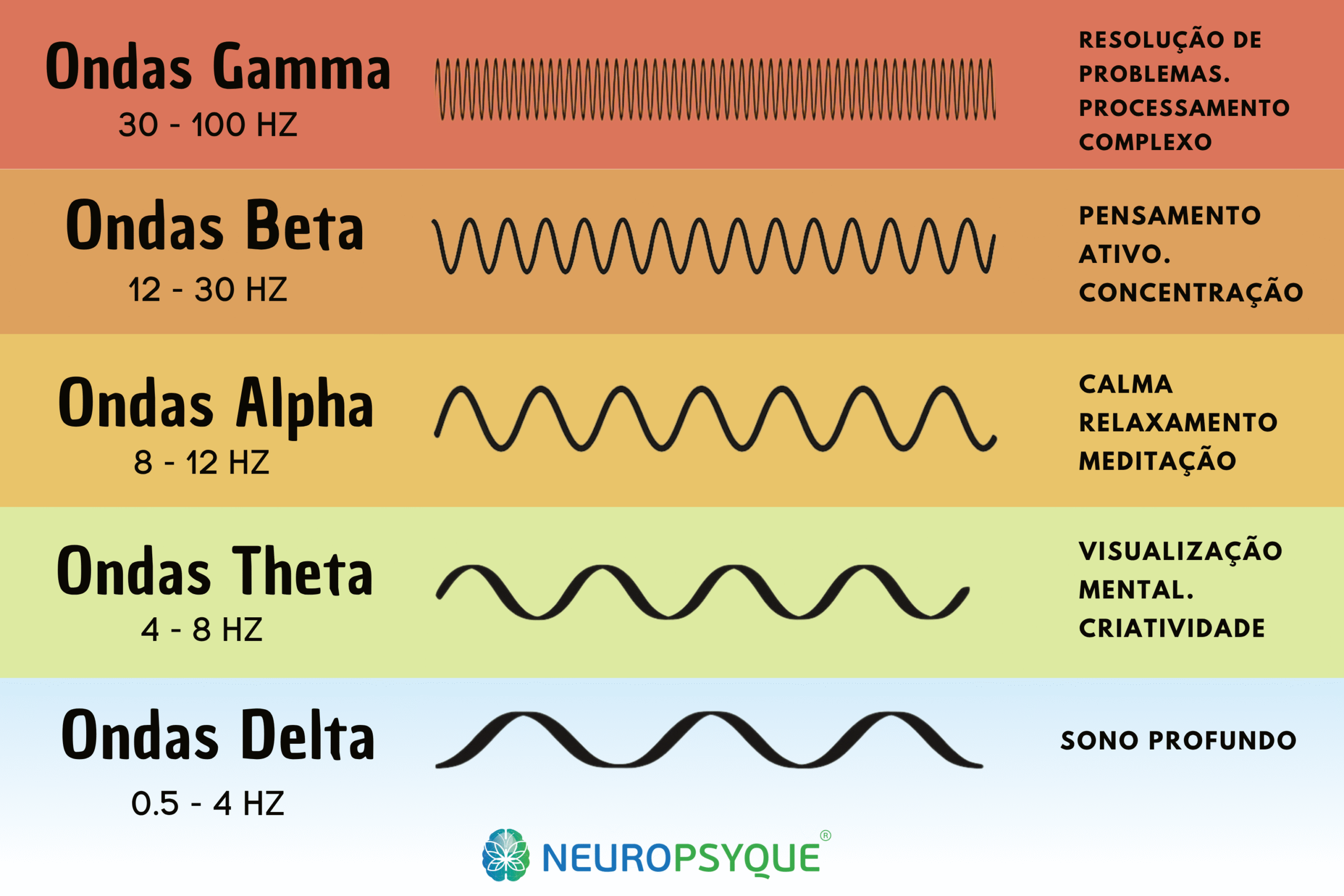
Ondas Cerebrais
Terapia Manual
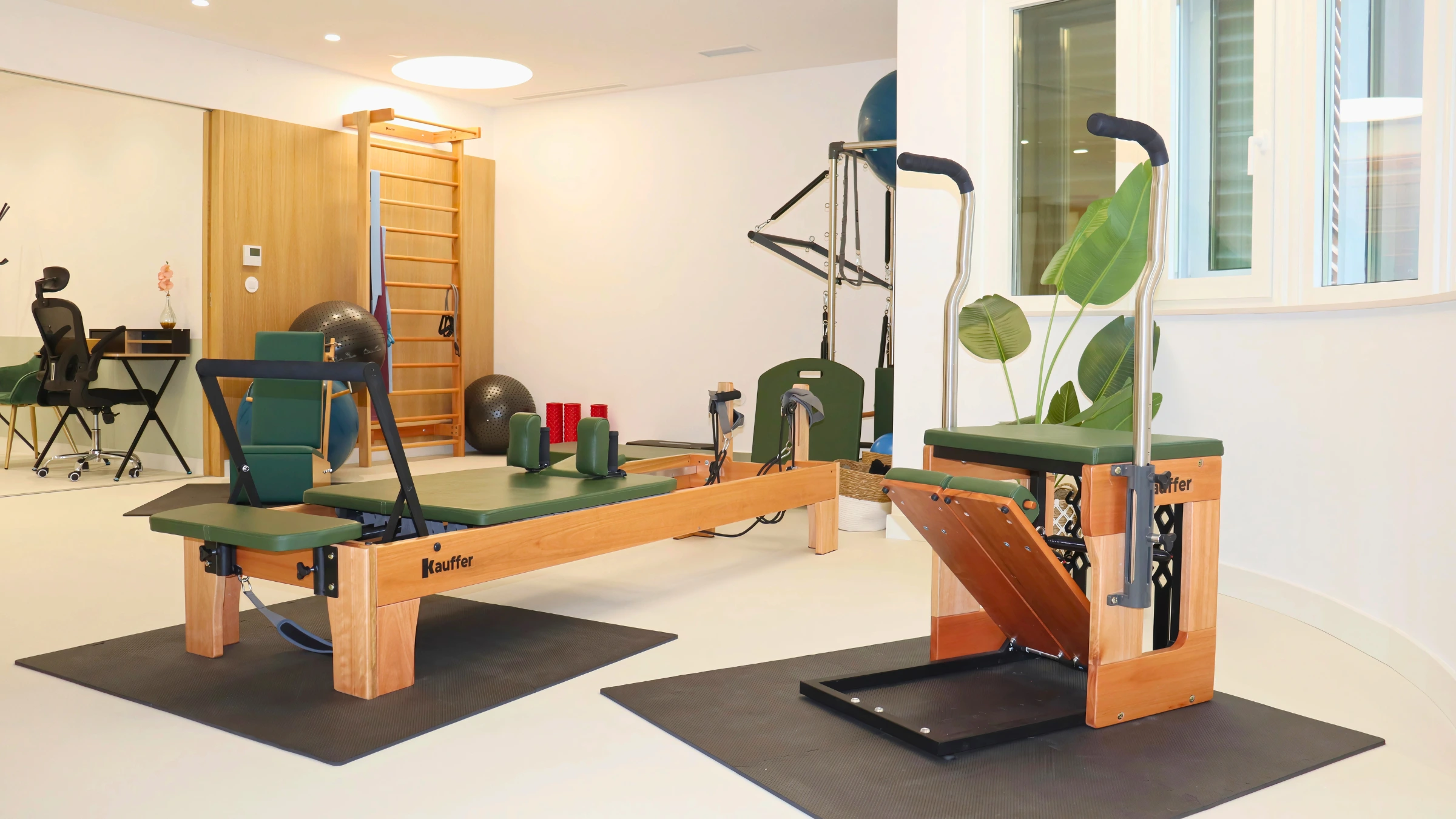
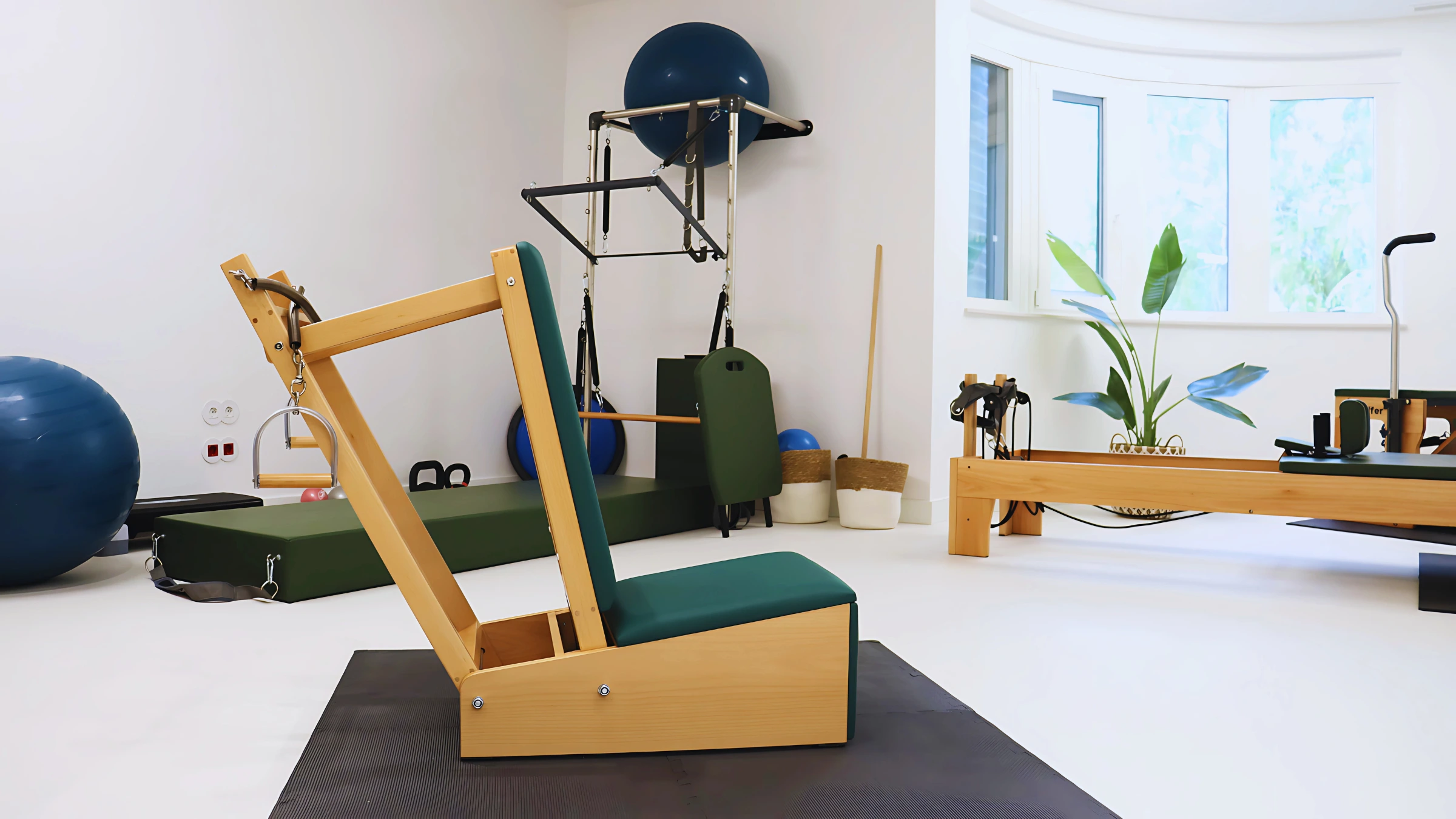
Salas de reabilitação motora e postural
Espaço Clínico NeuroPsyque - Focado no alívio e recuperação física

THE IMPORTANCE OF TREATING THE CAUSE, NOT JUST THE SYMPTOM

Chronic lumbar or cervical pain is rarely resolved by analgesics or quick-relief anti-inflammatories alone. When the pain persists, it means that the nervous system and the structures of the spine have entered a cycle of inflammation and contracture that requires a specialised diagnosis capable of distinguishing purely muscular pain (myofascial) from neuropathic pain (compressed nerves).

💡 Ignoring prolonged back pain can lead to irreversible nerve damage, loss of muscle strength and a state of chronic centralised pain, with major impacts on daily autonomy.

At Clínica NeuroPsyque, we integrate medical pain treatment, targeted physical rehabilitation, and advanced neuromodulation therapies (such as EMT). The focus is on decompressing the affected nerves, treating chronic joint inflammation, and reprogramming the brain's response to ongoing pain, ensuring safe and sustained long-term relief. Constant pain is not normal, nor is it an inevitable result of age. And remember: always try to solve the problem at its root. Eliminating the pain should not serve to "mask" and perpetuate the problem. Pain medication can help with treatment by enabling other interventions, but it doesn't treat the causes of pain in isolation.

Frequently Asked Questions

FAQ's on Lumbar and Cervical Pain

Does all the pain in my spine mean I have a herniated disc?
No. Although herniated discs are a common cause, most cervical and lumbar pain has a myofascial origin (extreme muscle tension and contracture), joint wear (arthrosis) or continued poor posture that inflames the tissues. A detailed medical diagnosis is essential to differentiate the origin.
Should I be on bed rest when I'm in pain?
No. Contrary to what was thought in the past, prolonged absolute rest delays recovery, weakens stabilising structures and aggravates muscle stiffness. Unless there are strict medical indications in very acute neurological conditions, it is recommended that light movement be maintained and rehabilitation planned as soon as possible.
I have tingling and lack of strength in my arm or leg. What does this mean?
These are the so-called "neurological warning signs". They indicate that a nerve in the spine (such as the cervical nerves running down the arms or the sciatic nerve in the leg) may be actively compressed or irritated (radiculopathy). These symptoms require urgent medical and neurological assessment to avoid definitive damage.
How can Neuromodulation help with back pain?
When the pain lasts for months, the Central Nervous System becomes hypersensitive to normal stimuli. A Transcranial Magnetic Stimulation (EMT) helps to modulate (control) this response directly in the brain, increasing the tolerance of the nervous system and therefore reducing the intensity of the pain felt.
What is the role of manual therapy and specialised physiotherapy in low back and neck pain?
A manual therapy and specialised physiotherapy act directly on the source of the pain - muscle tension, joint restrictions and biomechanical dysfunctions. Through specific techniques (mobilisation, myofascial release and movement re-education), it is possible to reduce pain, improve mobility and restore normal spinal function. Unlike exclusively pharmacological approaches, these interventions treat the cause of the problem and have a lasting impact on preventing relapses.
The painkillers have stopped working. What should I do?
Long-term use of painkillers and anti-inflammatories creates habituation in the body and does not resolve the mechanical (muscular) or neuropathic cause of back pain. It is essential to book an appointment to move on to treatment focussed on structural nerve decompression, relieving tension points and physical rehabilitation. Pain medication can help with treatment, allowing for other interventions, but it doesn't treat the causes of pain in isolation.
How soon will I feel relief from the symptoms of pain or stiffness?
The speed of relief depends directly on the cause and how long the problem has been going on. In purely tension and myofascial (muscle) pain, relief can be noticeable in the first few sessions. In complex pain with nerve compression or degenerative disc disease, the protocol requires more time and resilience to promote healing of the inflamed tissues. The initial assessment is carried out in the speciality of Neurology . Contact us to book a diagnostic appointment.