Ataxias Cerebelosas: o que são, causas e tratamento em Lisboa

CEREBELLAR ATAXIA - Treatment in Lisbon

Specialised assessment and follow-up for Cerebellar Ataxias in Lisbon

WHAT ARE CEREBELLAR ATAXIAS?
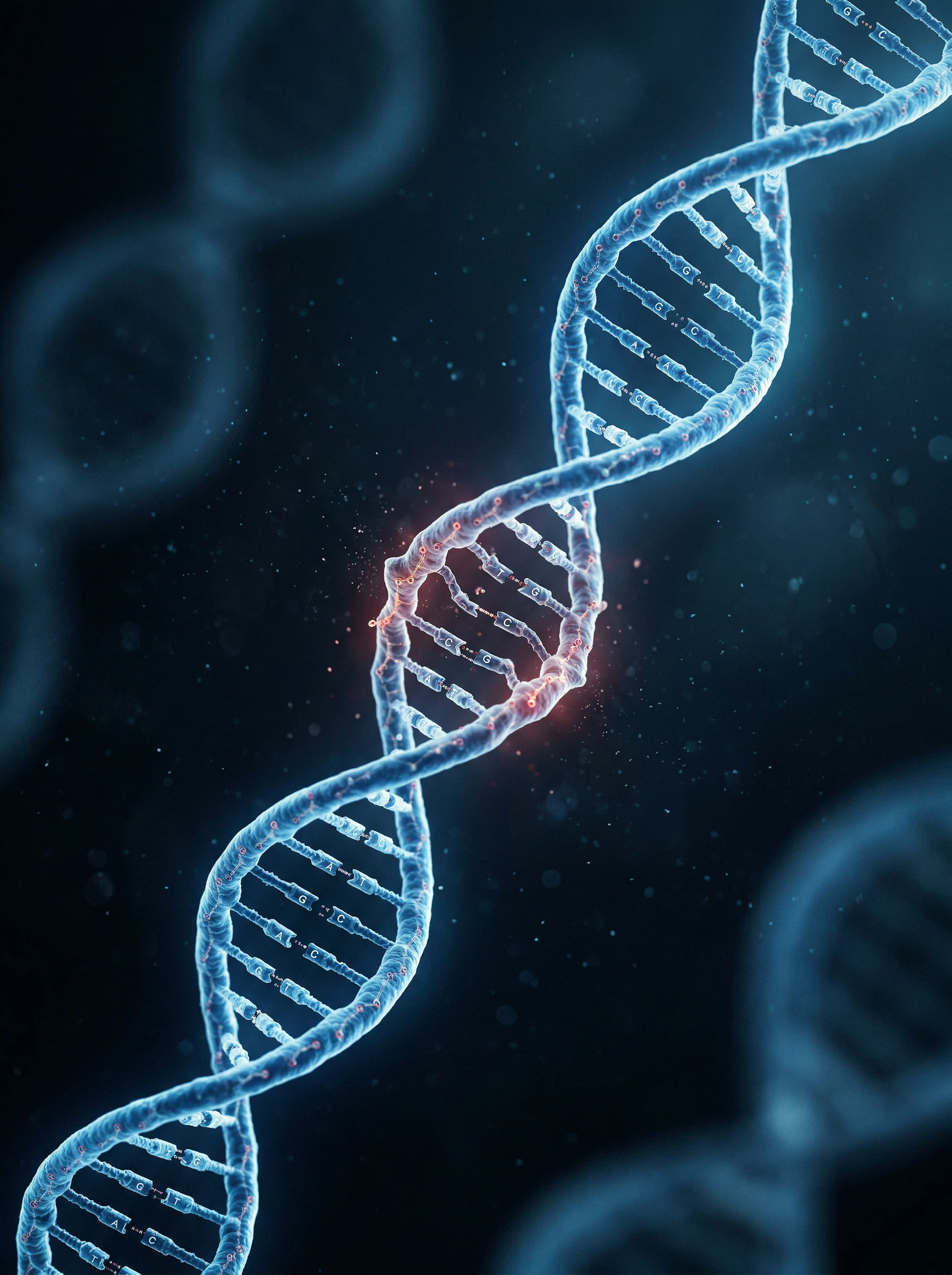
Avaliação neurológica das Ataxias Cerebelosas — NeuroPsyque Lisboa

Coordination disorder originating in the cerebellum

Cerebellar ataxias are a group of neurological diseases characterised by dysfunction of the cerebellum (responsible for motor coordination, balance and posture) and its connecting pathways, resulting in progressive disturbance of motor coordination, balance, gait and speech. They can be hereditary (genetic) - such as spinocerebellar ataxia (SCA) and Friedreich's ataxia - or acquired, due to immunological, metabolic, toxic or structural causes.

Most frequent clinical manifestations

  • Gait instability and falls
    Wide and unstable gait, with a tendency to lateral deviations and a high risk of falls.
  • Dysmetria and intention tremor
    Difficulty calculating distances in limb movements, with trembling that appears when approaching a target.
  • Cerebellar dysarthria
    Slurred or explosive speech, with involuntary variations in rhythm and volume.
  • Oculomotor changes
    Involuntary eye movements, difficulty looking accurately, double vision and difficulty following moving objects.

TYPES AND CAUSES OF CEREBELLAR ATAXIAS

Hereditary Spinocerebellar Ataxias (SCA)

A group of more than 40 genetically distinct subtypes with autosomal dominant transmission. SCA1, SCA2, SCA3 (Machado-Joseph), SCA6 and SCA7 are the most common in Portugal.

Hereditary dominant

Friedreich's ataxia

It is the most common recessive hereditary form of ataxia. It usually begins in adolescence and causes progressive loss of balance and coordination, heart problems, curvature of the spine and changes in sensitivity. It is caused by a genetic alteration in the FXN.

Hereditary recessive

Immune-mediated and Acquired Ataxias

Some types of ataxia are caused by diseases of the immune system and can be treated. These include ataxia associated with cancer, ataxia with certain antibodies and ataxia linked to coeliac disease. It's important to diagnose early in order to start the appropriate treatment.

Acquired / Treatable

Metabolic, Toxic and Structural Ataxias

Vitamin deficiencies (B12, E, thiamine), chronic alcoholism, exposure to drugs or heavy metals, and structural lesions of the cerebellum (strokes, tumours, Chiari malformations) are all potentially reversible causes.

Secondary / Reversible
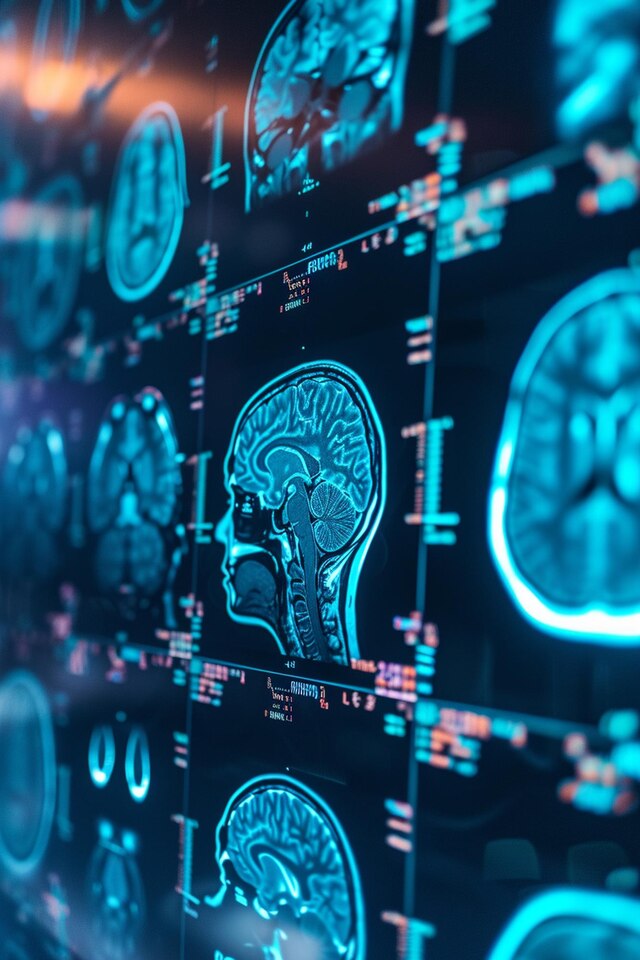
Tipos de ataxias cerebelosas — cerebelo e sistema nervoso central

Other causes include ataxia telangiectasia (dilated vessels on the surface of the skin), episodic ataxia, ataxia due to hypothyroidism and sensory ataxia due to severe peripheral neuropathy.

IMPACT OF EARLY INTERVENTION
IN CEREBELLAR ATAXIAS

Neuromodulation and targeted rehabilitation improve coordination, balance and quality of life

40+
genetic subtypes of spinocerebellar ataxias identified to date
↑Berg
significant improvement in balance (Berg Balance Scale, SMD 0.76; p=0.0005) with cerebellar rTMS in meta-analysis of controlled trials
↓SARA
significant reduction in the severity of ataxia (SARA scale) with cerebellar neuromodulation, maintained weeks after treatment
30%
of cerebellar ataxias are reversible when diagnosed early (the rest benefit from stabilisation treatment)

* Data based on meta-analyses of published controlled trials. Individual results may vary according to the type and stage of ataxia.

Sources: clinical data, NIH/PubMed - meta-analysis of cerebellar rTMS in cerebellar ataxias (Berg Balance Scale SMD 0.76; p=0.0005; SARA MD -2.00 to -2.60); Frontiers in Neurology - systematic review of rTMS in cerebellar ataxia; NIH/PubMed - treatable causes of cerebellar ataxia (immune-mediated, metabolic and toxic causes; gluten ataxia ~15% of all ataxias); Orphanet - more than 40 SCA subtypes identified.
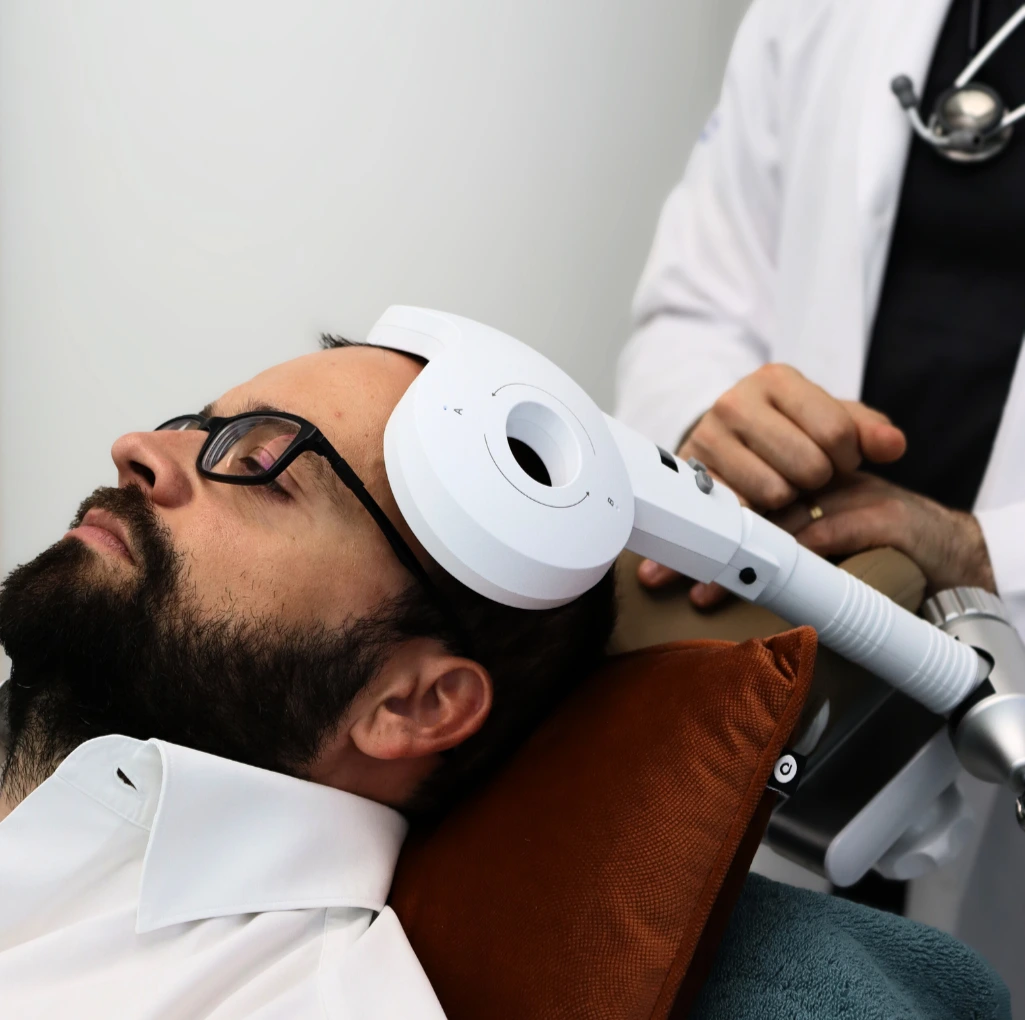
TECHNOLOGY AND THE THERAPEUTIC ENVIRONMENT

Neuroimagem
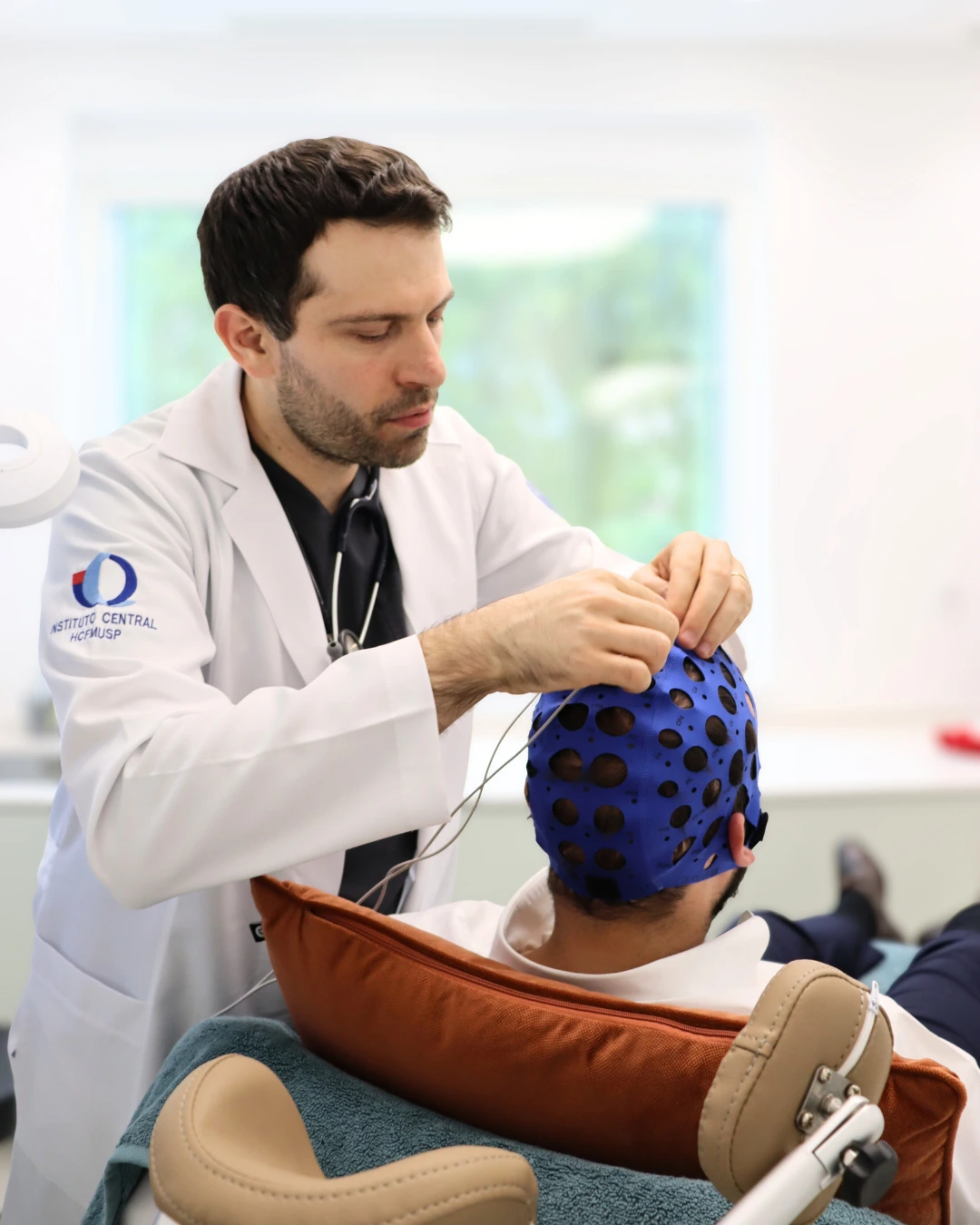
Estimulação Magnética Transcraniana
tDCS
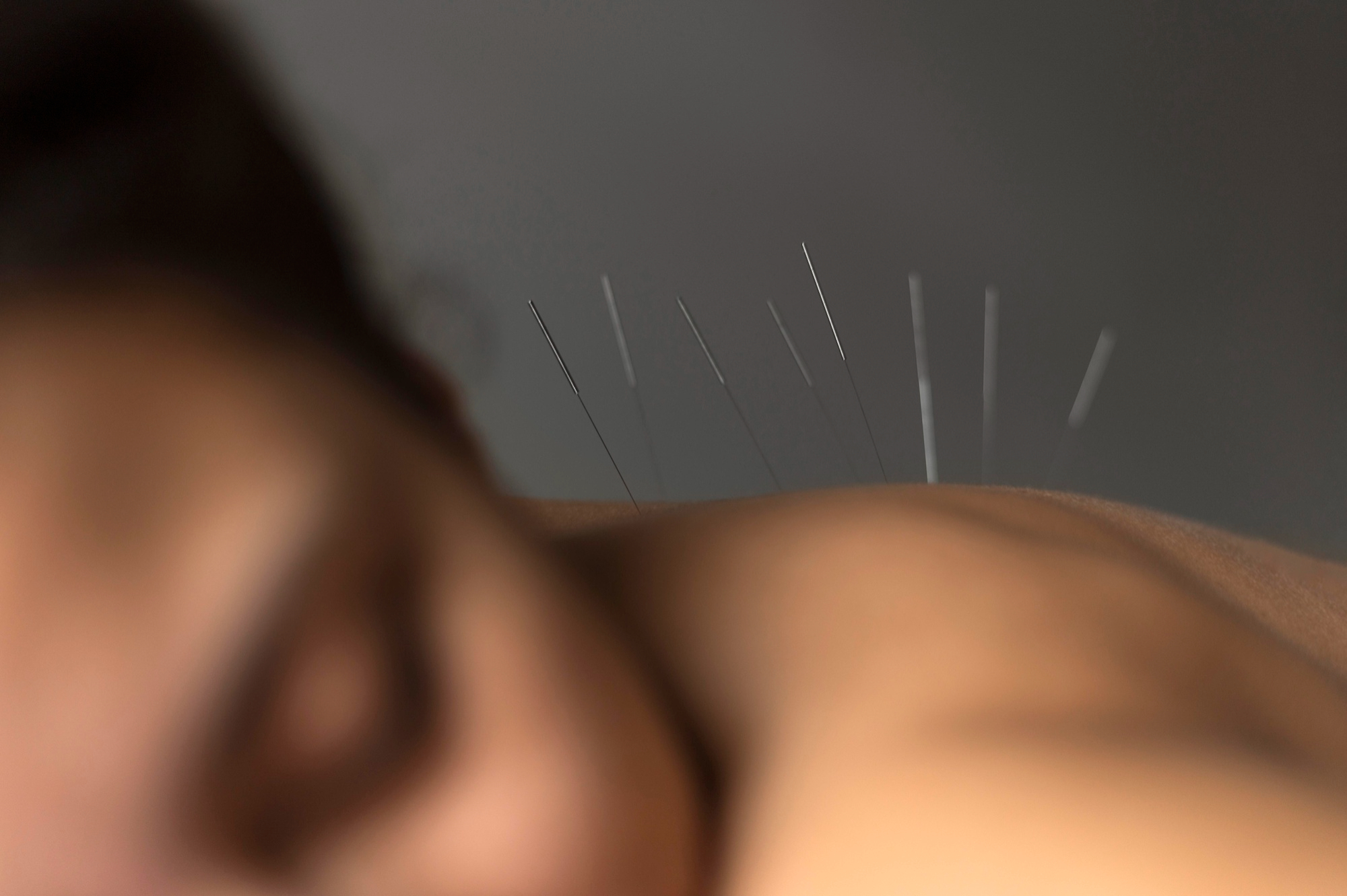
Acupuntura
tDCS - Estimulação Eléctrica Transcraniana
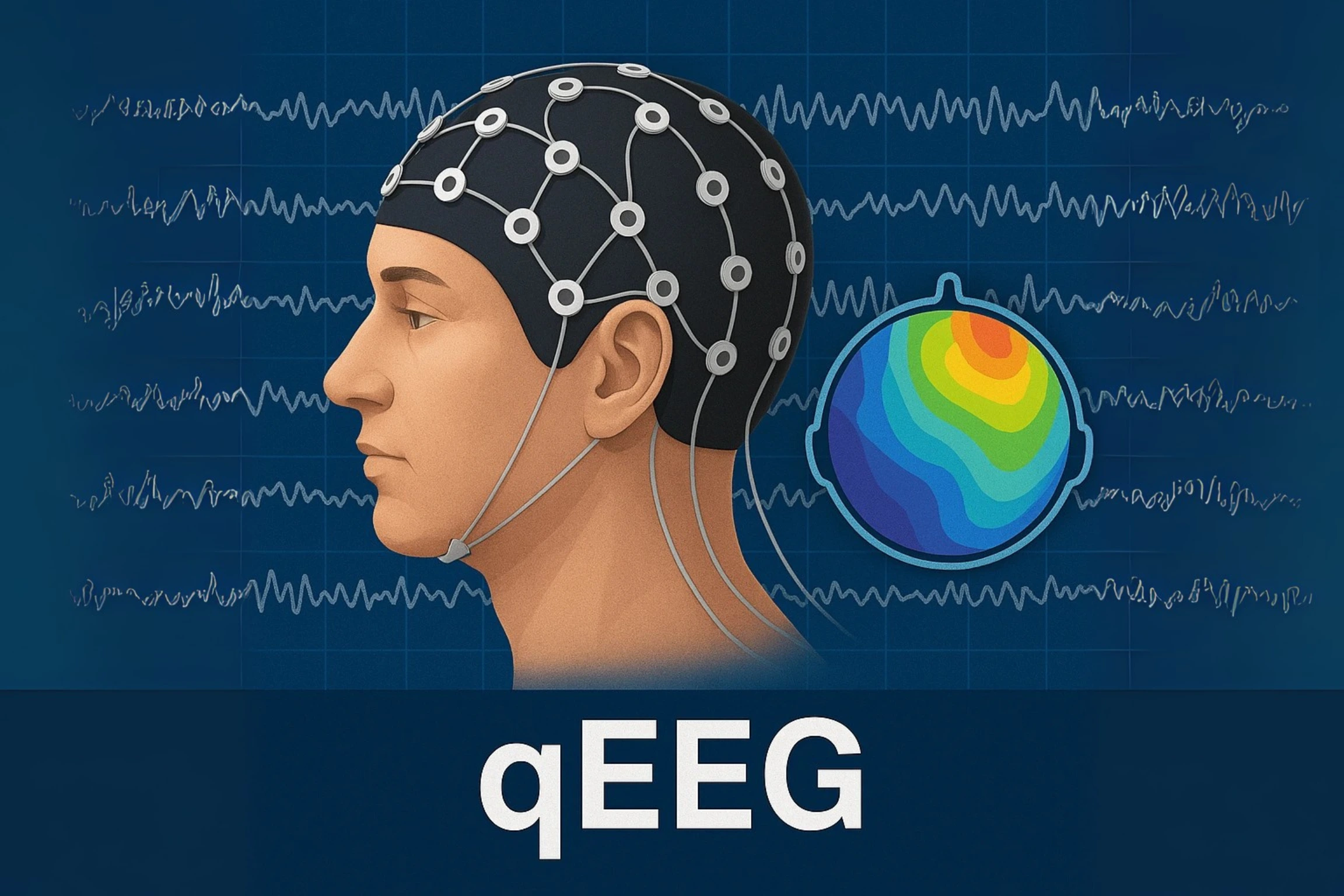
qEEG
Clínica Lisboa
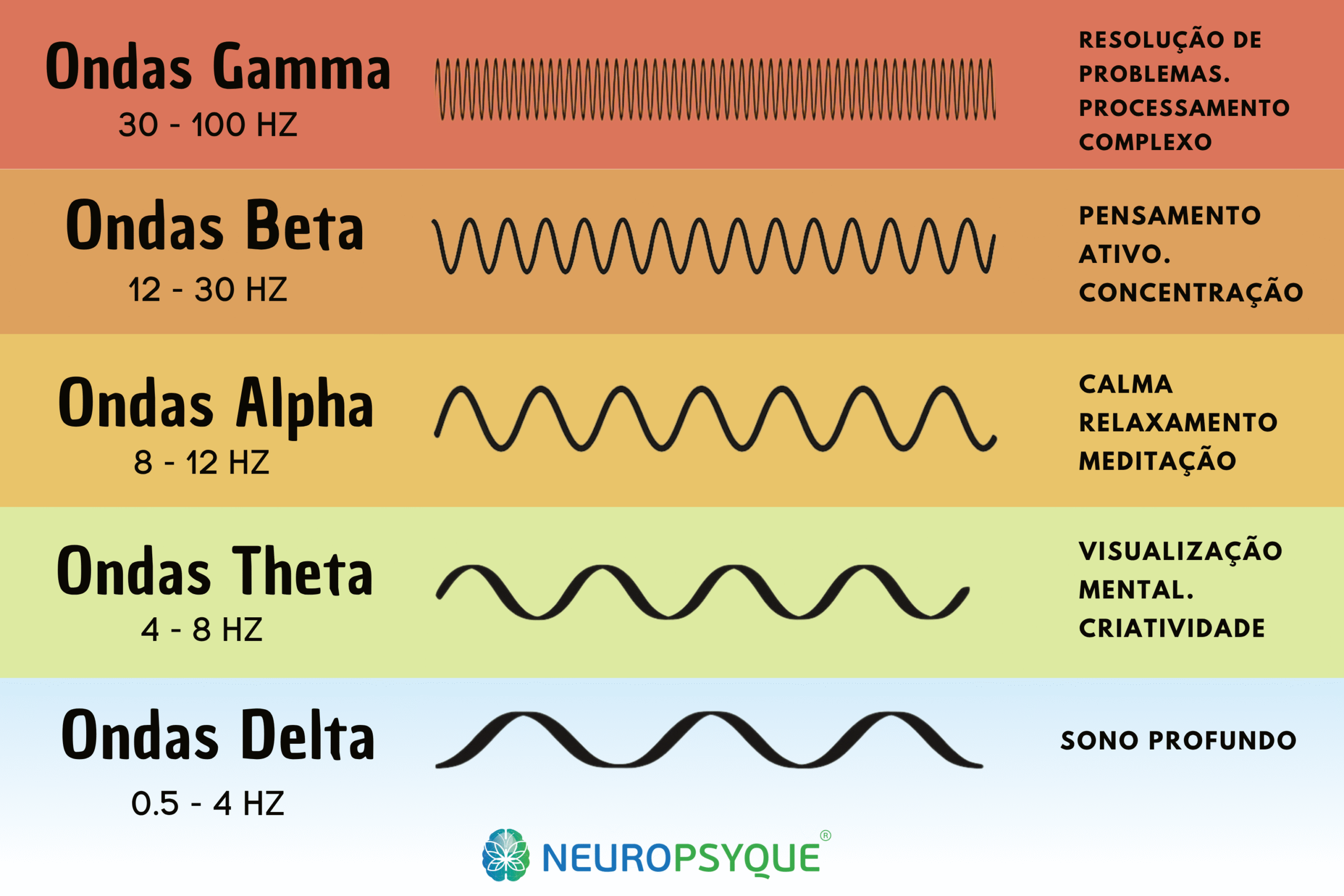
Ondas Cerebrais
Fisiologia
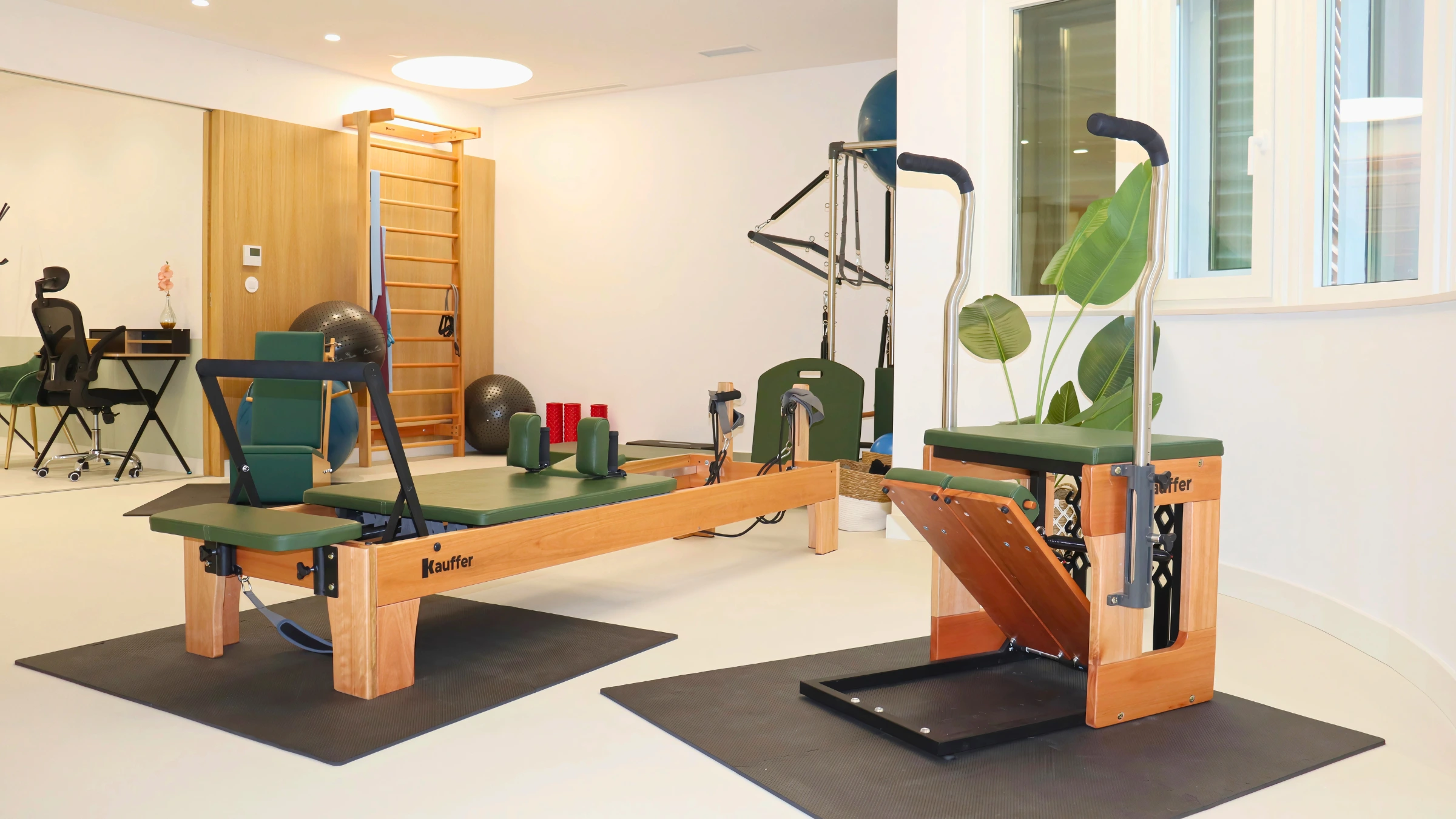
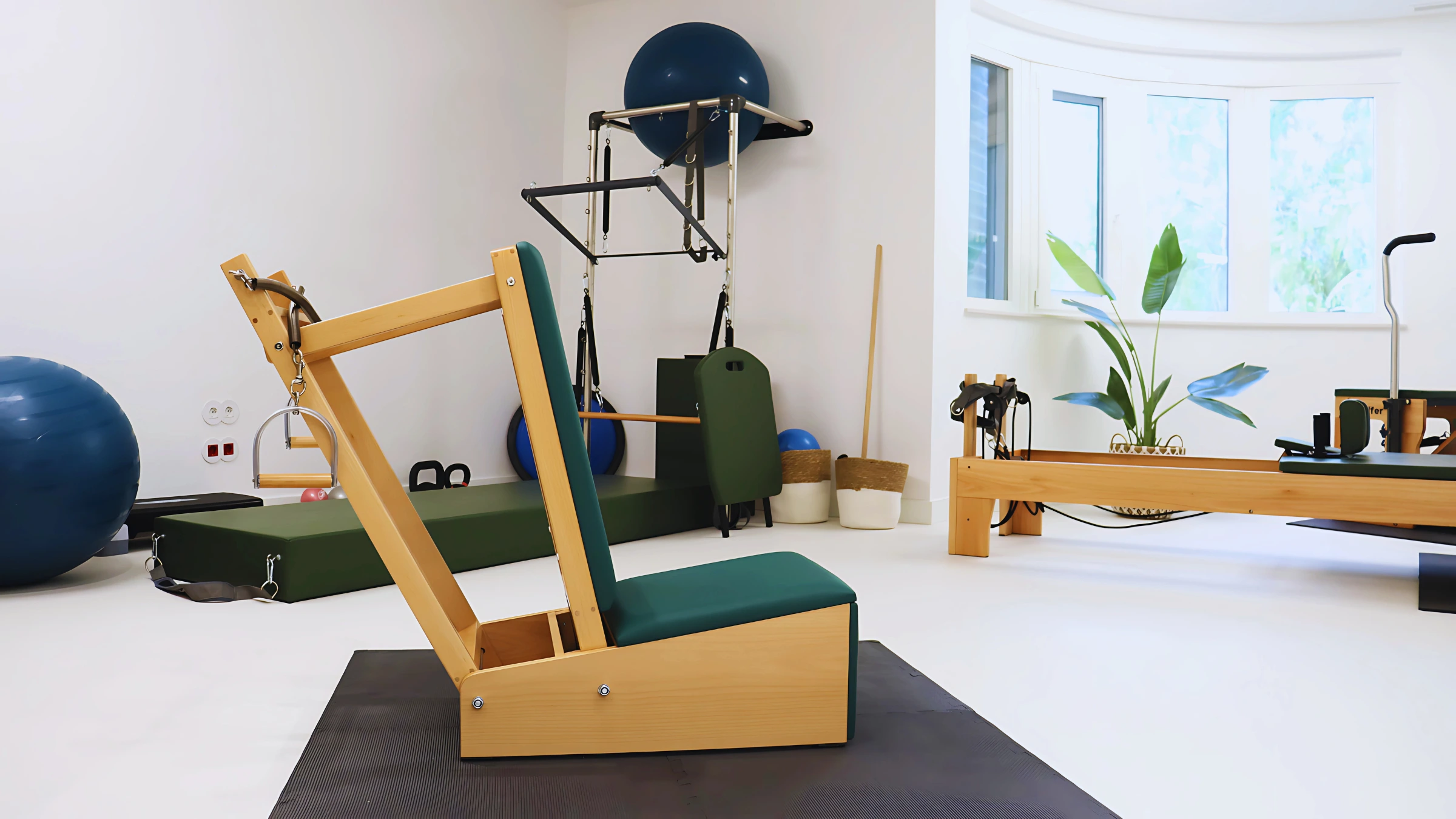
Sala Fisioterapia
Espaço Movimento e Saúde

IMPORTANCE OF SPECIALISED CONSULTATION

Diagnosing cerebellar ataxias requires a systematic and experienced approach: the many differences between the types and genetics of this group of diseases means that the same picture of instability and incoordination can stem from dozens of different causes - some hereditary and progressive, others acquired and potentially reversible. Distinguishing ataxia with rigour is the first fundamental therapeutic act, as it determines the prognosis and guides the entire treatment strategy.

Around 30% of cerebellar ataxias have a treatable cause - early specialised diagnosis is essential and can completely change the course of the disease.

At NeuroPsyque, the cerebellar ataxia consultation includes a structured neurological assessment with validated scales (SARA, ICARS), coordination of the complete aetiological study - genetic, immunological, metabolic and neuroimaging - and access to non-invasive neuromodulation with cerebellar stimulation protocols using EMT and tDCS (tDCS). Complete and integrated monitoring between specialities, coordination with specialised motor rehabilitation (physiotherapy) and support for the patient and family are the pillars of our care model.

Frequently Asked Questions

FAQ's about Cerebellar Ataxias

What should I expect at the first assessment appointment?
The first Neurology includes a detailed anamnesis with a review of family and personal history, a full neurological examination with application of the SARA or ICARS scales to quantify ataxia, and assessment of associated symptoms (oculomotor, dysarthria, sleep disturbances, neuropathy). Based on this assessment, the neurologist defines the diagnostic plan - which may include brain and spinal cord MRI, genetic study, antibody panel and metabolic analyses - to identify the underlying cause.
How do you know if ataxia is hereditary or acquired?
The distinction is based on several elements: family history of similar cases, age of onset, pattern of progression, associated symptoms and results of complementary tests. The absence of a family history does not rule out a genetic cause, as some mutations arise de novo or have incomplete penetrance. Genetic study by hereditary ataxia panels and investigation of paraneoplastic and autoimmune antibodies are essential tools for this differentiation.
Is there a curative treatment for cerebellar ataxias?
It depends on the cause. In acquired ataxias with treatable causes - immune-mediated, vitamin deficiency, toxic or metabolic - intervention can stabilise or reverse the condition. In progressive hereditary forms (SCA, Friedreich's ataxia), there is currently no approved disease-modifying treatment, but research into genetic therapies and other approaches is advancing rapidly. In these cases, the focus is on slowing down functional progression and optimising quality of life through rehabilitation and neuromodulation.
How can EMT help with cerebellar ataxias?
A Transcranial Magnetic Stimulation applied to the cerebellum - cerebellar stimulation - modulates the excitability of cerebellocortical pathways, with growing evidence of improvement in postural stability, limb coordination and dysarthria in patients with cerebellar ataxia. Published clinical studies document reductions in SARA scale scores after repetitive cerebellar EMT protocols. It is a non-invasive, safe and well-tolerated treatment, carried out in an individualised protocol.
Do physiotherapy and rehabilitation make a difference in a progressive disease?
Yes, significantly. Controlled studies show that specialised physiotherapy, The use of structured rehabilitation programmes - balance, gait, coordination and strengthening training - delays functional loss, reduces the risk of falls and improves quality of life. Cerebellar neuroplasticity is maintained even in a degenerative context, and physical rehabilitation is one of the interventions with the best benefit profile currently available for progressive cerebellar ataxias.
What is the difference between the SARA and ICARS scales used in the assessment?
Both are validated scales for quantifying the severity of cerebellar ataxia and monitoring progression. The SARA (Scale for the Assessment and Rating of Ataxia) is shorter, with 8 items and a maximum score of 40, and is preferred in a clinical context due to its practical applicability. The ICARS (International Cooperative Ataxia Rating Scale) is more extensive, with 19 items and a maximum score of 100, and is often used in clinical trials due to its granularity (specificity).
I have ataxia - what risk do my children have of inheriting the disease?
It depends on the type of ataxia and the transmission pattern. In autosomal dominant forms (such as SCA), each child has a 50% chance of inheriting the mutation. In recessive forms (such as Friedreich's ataxia), the risk for children of a carrier with a non-carrier partner is very low. Genetic counselling by a specialised professional is essential before carrying out pre-symptomatic or prenatal testing.
How often should I be accompanied?
Detailed neurological assessment is recommended every six months in stable cases, with the application of ataxia scales to monitor progression. In phases of greater disease activity, after starting new therapy or during neuromodulation protocols, the frequency is adapted to clinical needs. Regular monitoring makes it possible to adjust the therapeutic plan in good time and to identify early complications such as dysphagia (difficulty swallowing), heart rhythm disturbances (relevant in Friedreich's ataxia) or cognitive decline. To book an assessment appointment, contact us.