Doença de Machado Joseph: o que é e tratamento em Lisboa

MACHADO-JOSEPH DISEASE - Treatment in Lisbon

Specialised assessment and follow-up for Machado-Joseph Disease (SCA3) in Lisbon

WHAT IS MACHADO-JOSEPH DISEASE?
Avaliação neurológica da Doença de Machado-Joseph — NeuroPsyque Lisboa

The most common spinocerebellar ataxia in the world

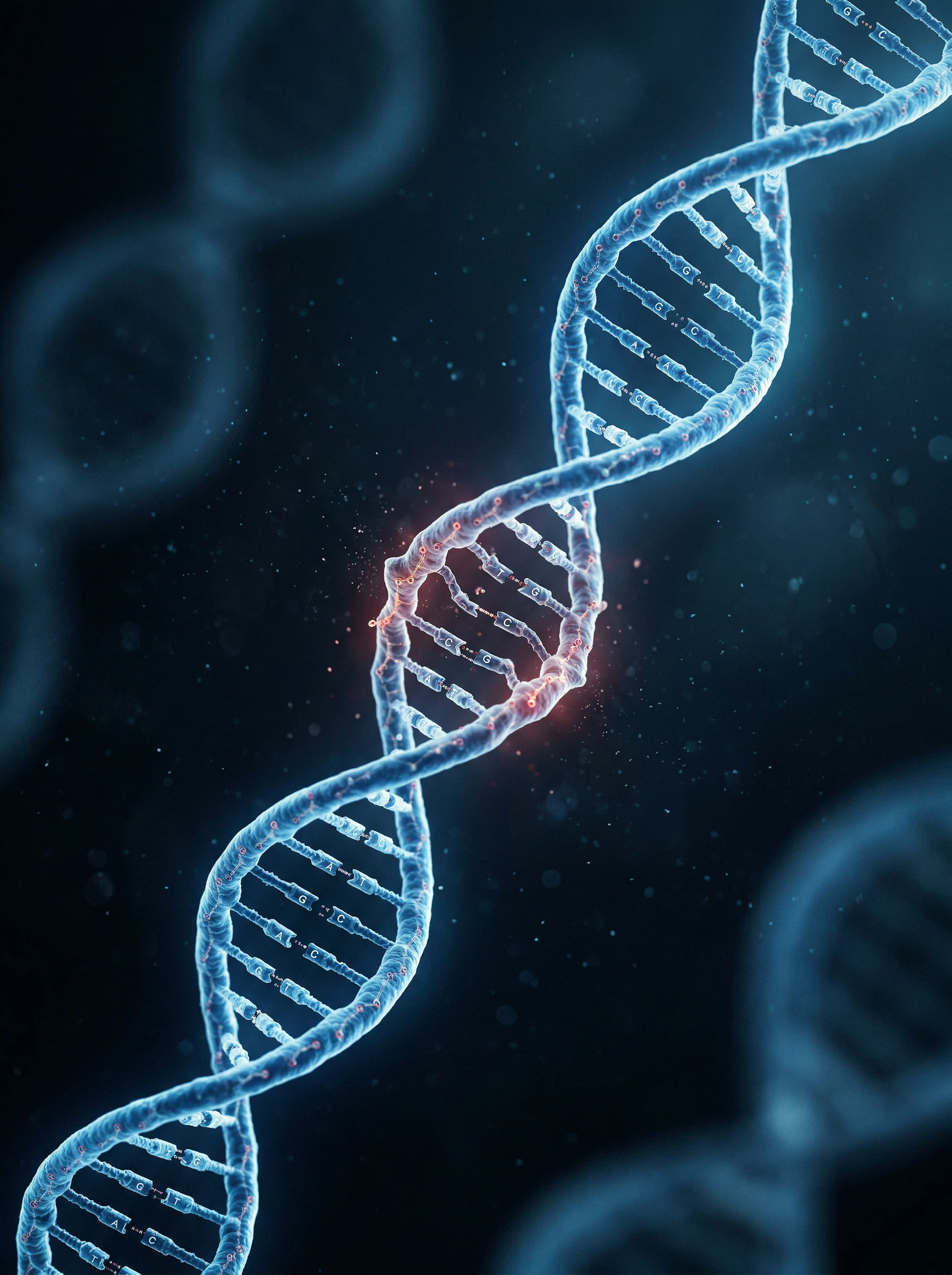
Machado-Joseph disease, also known as spinocerebellar ataxia type 3 (SCA3), is an autosomal dominant inherited neurological disorder caused by the expansion of CAG repeats in the gene ATXN3. It is the most prevalent form of genetically determined spinocerebellar ataxia worldwide, with a particular incidence in Portugal - especially in the Azores islands, where its original description gave the disease its name.

Most frequent clinical manifestations

  • Progressive cerebellar ataxia
    Gait instability, limb dysmetria (differences in length) and dysarthria (difficulty articulating speech), which evolve slowly and are not always obvious.
  • Ophthalmoplegia and nystagmus
    Changes in eye movements, double vision (diplopia) and difficulty fixing moving objects.
  • Spasticity and pyramidal signs
    Muscle stiffness, involuntary movements and frequent painful spasms in the lower limbs.
  • Peripheral neuropathy and sleep disorders
    Decreased sensitivity, discomfort in the legs (especially at night) and sleep disturbances impair rest and quality of life.

CLINICAL FORMS AND CHARACTERISTICS OF DMJ

Type I - Pyramidal and Extrapyramidal Form

It starts earlier (before the age of 30) and causes muscle stiffness, spasticity (tense muscles) and difficulty in movement. It usually progresses more quickly.

Early onset

Type II - Classic Cerebellar Form

This is the most common form. It starts between the ages of 20 and 50 and causes lack of coordination, difficulty speaking and changes in eye movements, with a progressive worsening of balance when walking.

Most frequent form

Type III - Form with Peripheral Neuropathy

It starts later in life (after the age of 40) and causes lack of coordination, weakness and loss of muscle mass, as well as small involuntary muscle movements.

Late onset

Genetic basis - CAG expansion in ATXN3

The disease is caused by a genetic alteration in the gene ATXN3. The greater this alteration, the earlier the symptoms appear and the greater the severity of the disease tends to be.

Autosomal dominant
Doença de Machado-Joseph — sistema nervoso e cerebelo

Portugal - particularly the Azores - has one of the highest prevalences of JDM in the world, making early diagnosis a national clinical priority.

MONITORING AND THERAPEUTIC IMPACT
IN MACHADO-JOSEPH DISEASE

Early multidisciplinary intervention improves quality of life and delays functional progression

1ª
most prevalent hereditary spinocerebellar ataxia worldwide, accounting for 25-50% of all cases of AEC/SCA
39/100K
prevalence in the Azores - the highest in the world, making Portugal a European epicentre of CJD
-1,4pts
average reduction in the SARA scale with structured multifaceted physiotherapy - statistically significant improvement in ataxia
58%
of spinocerebellar ataxia cases in Portugal correspond to JDM/SCA3 - the highest national prevalence in Europe

* Data based on published clinical studies and patient records. Individual results may vary.

Sources: clinical data, NIH/PubMed - Sequeiros & Coutinho, global prevalence SCA3/DMJ (25-50% of SCAs); NIH/PubMed - meta-analysis of physiotherapy in degenerative cerebellar ataxias (SARA MD = -1.41); Azevedo CJ et al. - Prevalence of MJD in the Azores, 39/100,000 (JSciMedCentral); NIH/PubMed - Riess O. et al., SCA3 represents 58% of the SCAs in Portugal.
TECHNOLOGY AND THE THERAPEUTIC ENVIRONMENT

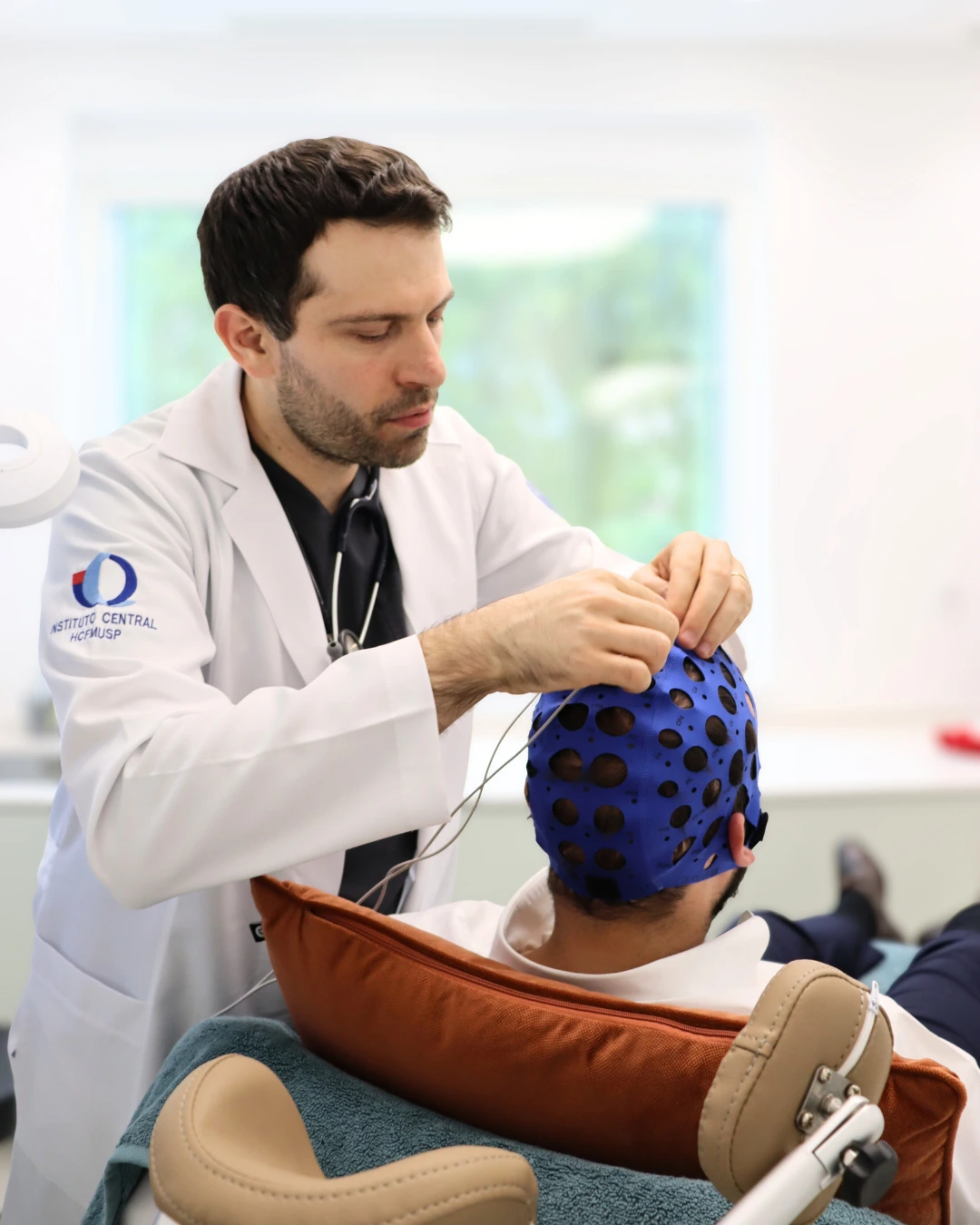
Neuroimagem
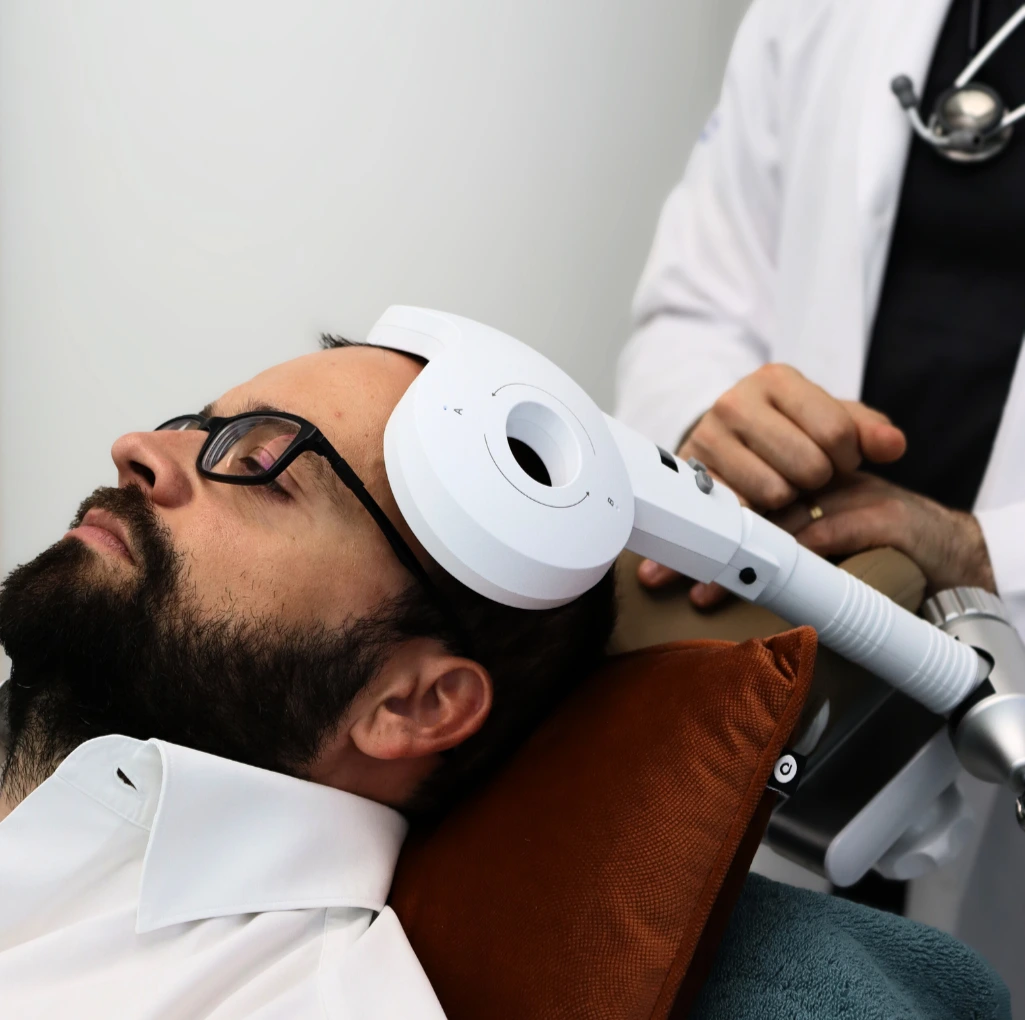
Estimulação Magnética Transcraniana
tDCS
Acupuntura
tDCS - Estimulação Eléctrica Transcraniana
qEEG
Clínica Lisboa
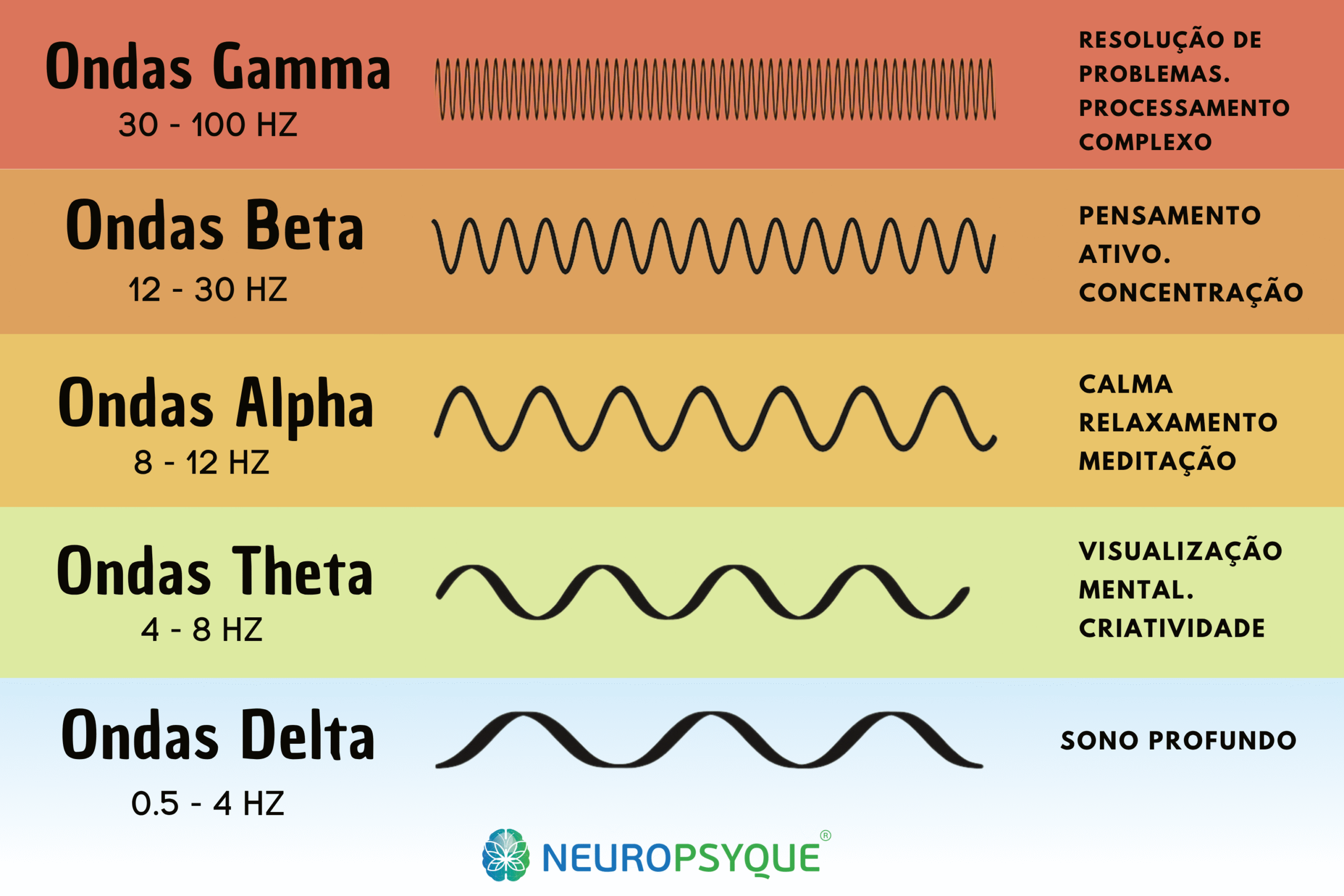
Ondas Cerebrais
Fisiologia
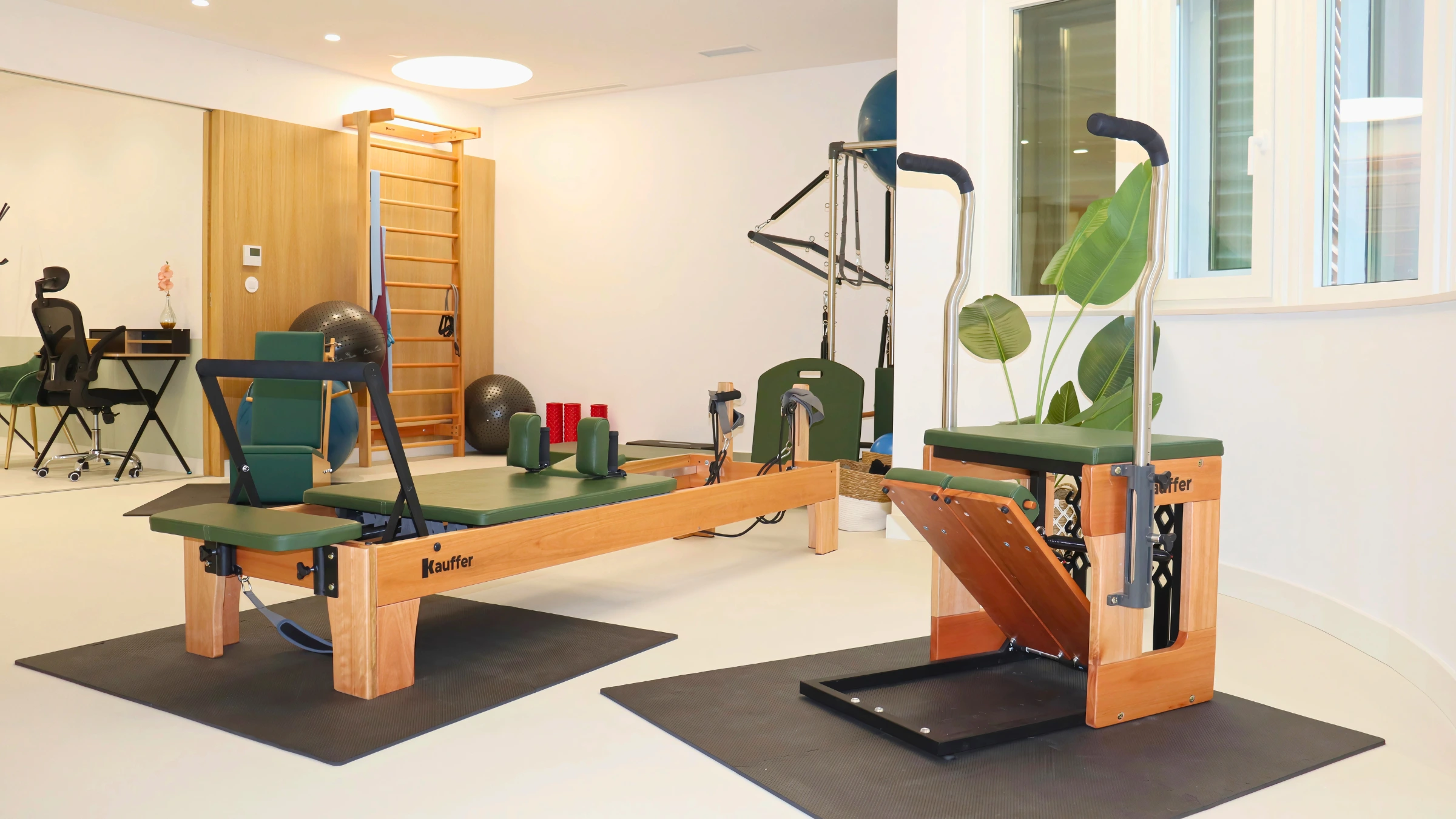
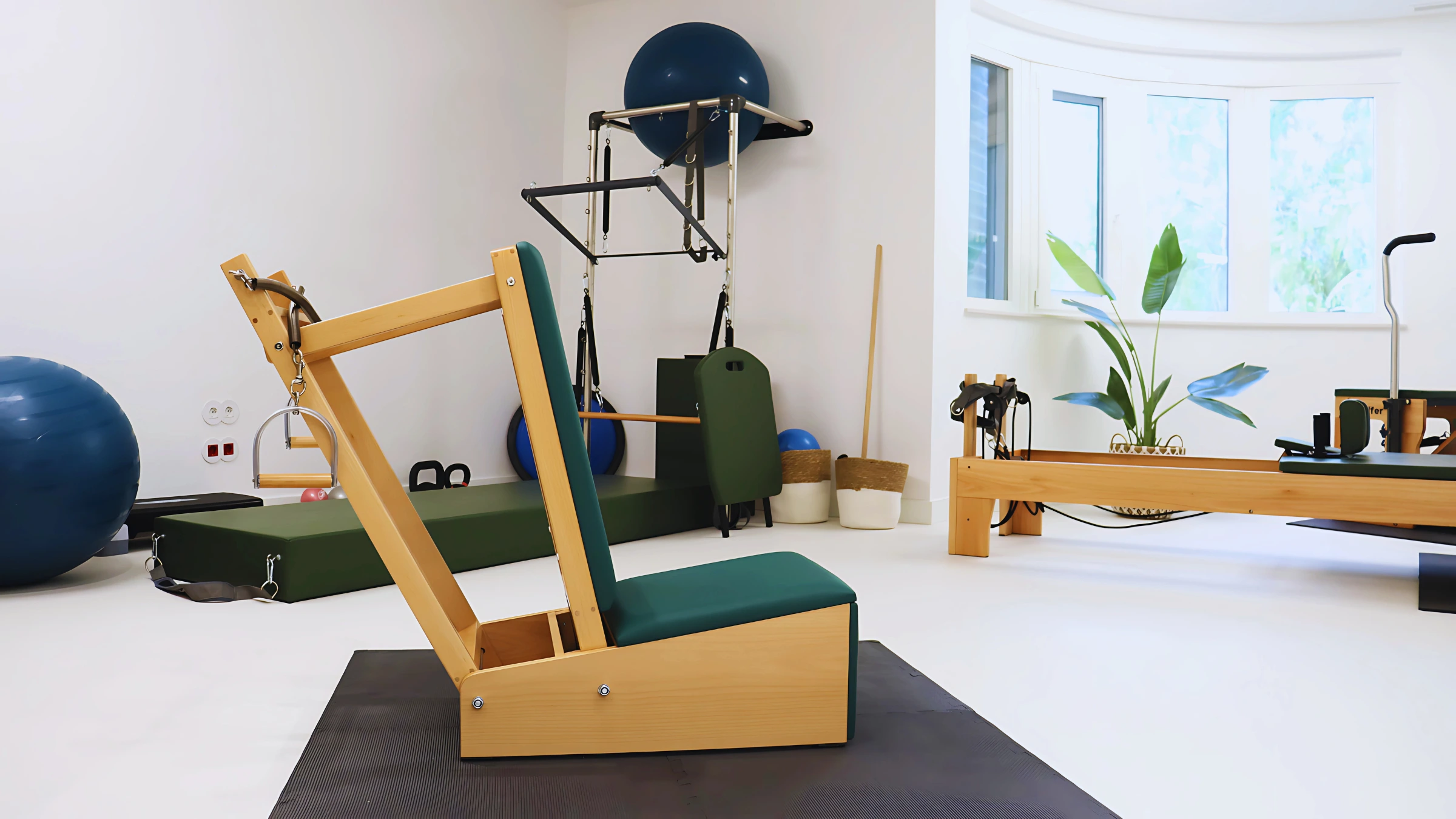
Sala Fisioterapia
Espaço Movimento e Saúde

IMPORTANCE OF SPECIALISED CONSULTATION

Diagnosing Machado-Joseph Disease requires clinical experience in recognising its forms of presentation, as well as access to genetic confirmation and structured neurological assessment protocols. Many patients go through years of research without a definitive diagnosis - especially when there is no known family history or when the initial symptoms are subtle. Ideally, if there is suspicion, you should seek out a specialist in this condition specifically.

💡 Early diagnosis makes it possible to start structured rehabilitation, manage associated complications and access family genetic counselling - decisive dimensions for functional prognosis.

At Clínica NeuroPsyque we monitor different types of ataxia, but you should look for parallel monitoring specialised in the condition. The follow-up of JDM is multidisciplinary and longitudinal: periodic neurological assessment, non-invasive neuromodulation to control spasticity and associated symptoms, support in cognitive and motor rehabilitation, and liaison with the family doctor and other specialists. The aim is to preserve functional autonomy for as long as possible - with scientific rigour and close human support.

Frequently Asked Questions

FAQ's about Machado-Joseph Disease

What should I expect at the first assessment appointment?
The first consultation includes a detailed anamnesis with a review of family history (building a family tree whenever possible), characterisation of current symptoms and a full neurological examination using validated ataxia scales (SARA or ICARS). The doctor may request a genetic study for diagnostic confirmation and coordinate complementary tests such as brain MRI and neurophysiological studies.
Is Machado-Joseph Disease curable?
There is currently no disease-modifying treatment that definitively reverses or halts the progression of JDM. However, there are interventions that significantly delay functional deterioration, improve quality of life and control the most disabling symptoms - namely spasticity, sleep disturbances, dysphagia and autonomic changes. Research into genetic therapies and other modifying approaches is ongoing and is an area of great scientific dynamism.
If one of my parents has JDM, what is my risk of inheriting the disease?
JDM is autosomal dominant, which means that each child of a carrier has a 50% chance of inheriting the pathogenic CAG expansion in the ATXN3 gene. Pre-symptomatic genetic testing is possible and should be preceded by genetic counselling by a specialised professional, given the significant psychological impact of a positive result in a disease with no current cure.
What is the relationship between the number of CAG repeats and the severity of the disease?
The higher the number of CAG repeats, the earlier the disease tends to appear and, in general, the more severe it can be. Normally, values between 55 and 87 repeats are associated with the disease. Even so, progression can vary from person to person due to other genetic and environmental factors.
How can EMT and tDCS help with JDM?
A Transcranial Magnetic Stimulation (EMT) and Transcranial Direct Current Stimulation (tDCS) has increasing evidence of improving motor control and coordination in patients with cerebellar ataxia. Cerebellar stimulation protocols can modulate the excitability of the cerebellar cortex and cerebellocortical pathways, with reported benefits in postural stability, dysarthria and limb motor performance. These are non-invasive, safe procedures carried out at NeuroPsyque under direct medical supervision.
What other symptoms of JDM can be treated besides ataxia?
As well as a lack of coordination, JDM can cause various symptoms that can also be treated. These include stiffness and cramps, sleep problems, leg discomfort, double vision, difficulty swallowing and mood swings. Comprehensive counselling, using specialised physiotherapy, This allows us to treat these different symptoms and improve our quality of life.
How often should I have follow-up appointments?
Neurological assessments are usually recommended every six months in stable cases, and every three months in phases of more active progression or when new therapeutic interventions are started. The frequency is always adapted to the individual clinical situation, the stage of the disease and the specific needs of each patient and family.
Does physical rehabilitation make a difference in a progressive disease like CJD?
Yes, significantly. Clinical studies show that structured programmes of physiotherapy, occupational therapy and balance training delay the loss of functional autonomy, reduce the risk of falls and improve quality of life. Neuroplasticity is maintained even in degenerative diseases, and regular rehabilitation is one of the best benefit-risk interventions currently available for JDM.
Does NeuroPsyque accompany patients with JDM in advanced stages of the disease?
Yes. neurological monitoring is valuable at all stages - from the pre-symptomatic patient under surveillance, to the newly diagnosed patient, to the stages of greater functional dependence. In advanced stages, the therapeutic focus is on symptomatic control, prevention of complications and support for carers. Contact us to clarify your specific situation or that of your family member.