Dor Espástica: o que é, causas e tratamento em Lisboa

SPASTIC PAIN - Treatment in Lisbon

Specialised assessment and treatment for Spastic Pain in Lisbon

WHAT IS SPASTIC PAIN?

Avaliação neurológica da dor espástica — NeuroPsyque Lisboa

Pain associated with increased muscle tension

Spastic pain occurs when muscles become too tense due to changes in the nervous system. It can cause stiffness, involuntary spasms and prolonged contractions, making movement difficult and impairing quality of life.

Most common manifestations

  • Painful muscle spasms
    Sudden, intense involuntary contractions, often at night.
  • Stiffness and resistance to movement
    Difficulty mobilising the affected limbs, with pain during range of motion.
  • Chronic postural pain
    Difficulties in maintaining good posture, leading to pain in the musculoskeletal system.
  • Sleep disturbance and functionality
    Nocturnal spasms prevent rest and recovery, and therefore compromise autonomy in daily activities.

CAUSES AND TYPES OF SPASTIC PAIN

Multiple Sclerosis

Spasticity is one of the most frequent and disabling complications of MS, affecting lower and upper limbs with recurrent painful spasms.

Central

Spinal Cord Injury

Trauma or non-traumatic injuries to the spinal cord cause spasticity below the level of the injury, with painful spasms.

Central

Stroke and Cerebral Palsy

Vascular or perinatal brain injuries (trauma to the newborn) cause unilateral (one side of the body) or generalised spasticity, with painful postural patterns and significant functional (physical) limitation.

Central

Cervical and Spondylotic Myelopathy

Spinal cord compression due to degenerative pathology of the cervical or dorsal spine, with progressive spasticity of the limbs and pain associated with stiffness.

Central / Compressive
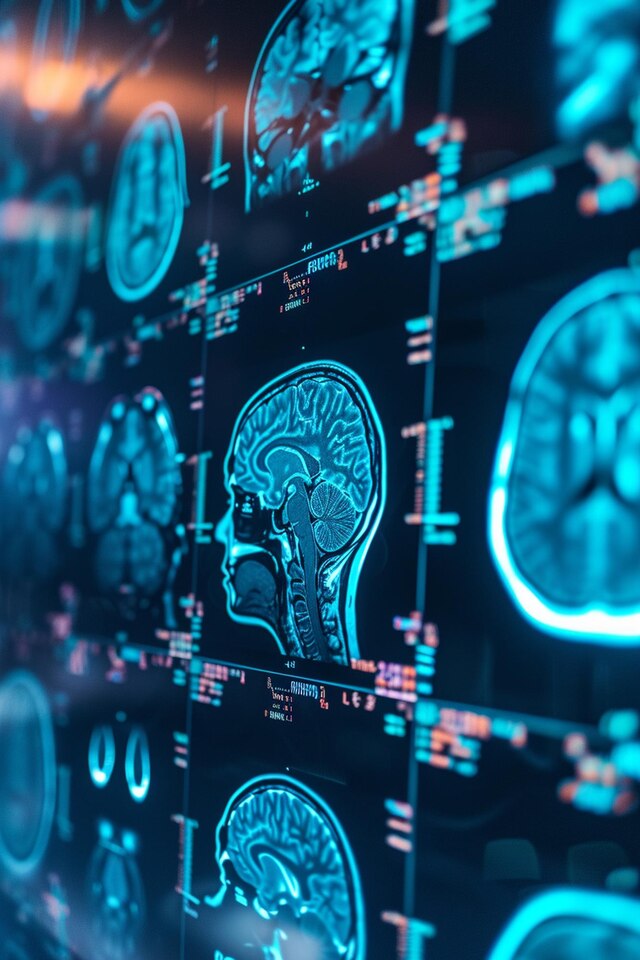
Causas da dor espástica — sistema nervoso central e medula espinhal

Other causes include Motor Neurone Disease (Amyotrophic Lateral Sclerosis), head trauma, infections of the central nervous system, and post-anoxic syndromes (after oxygen deprivation events).

EFFECTIVENESS IN TREATMENT
SPASTIC PAIN

Consistent clinical results with neuromodulation and personalised rehabilitation approaches

90%
of patients with post-stroke spasticity treated with rTMS + physiotherapy achieved a clinically significant reduction on the MAS scale
65%
improvement in range of motion and functionality after combined neuromodulation programme
higher response rate when rTMS is combined with targeted physiotherapy, vs. physiotherapy alone
70%
of patients report reduced nocturnal spasms and improved sleep patterns after treatment

* Data based on published clinical studies. Individual results may vary.

Sources: clinical data, RCT rTMS + physiotherapy in post-stroke spasticity - 90% of patients with MAS reduction ≥1 point (NIH/PubMed); RCT 2025 - MAS scale from 2.4 to 1.2 with rTMS (p<0.001; ResearchGate/PubMed); rTMS meta-analysis in spasticity after spinal cord injury - SMD -0.46 (NIH/PubMed); rTMS meta-analysis in multiple sclerosis - SMD -0.67 (NIH/PubMed); Frontiers in Neurology - systematic review of rTMS in spasticity.
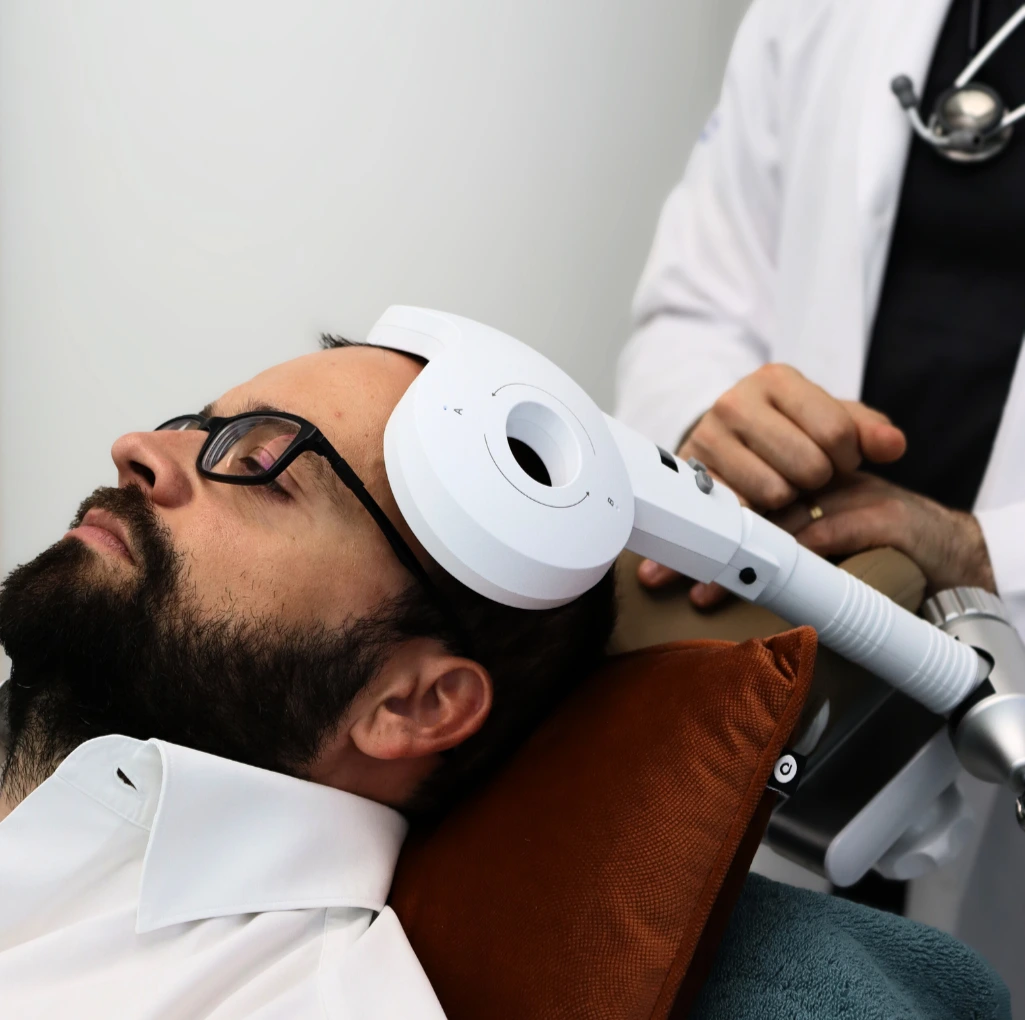
TECHNOLOGY AND THE THERAPEUTIC ENVIRONMENT

Neuroimagem
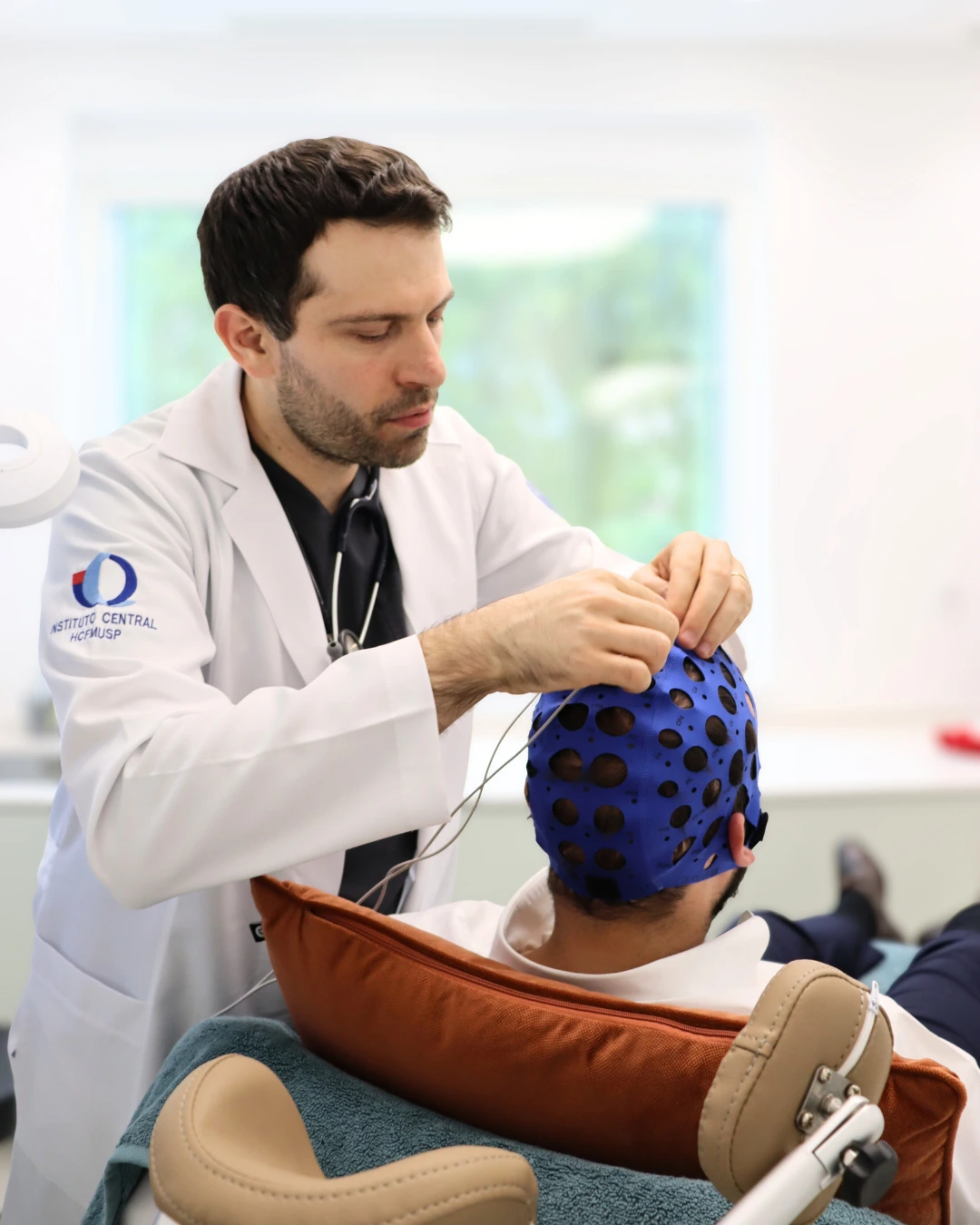
Estimulação Magnética Transcraniana
tDCS
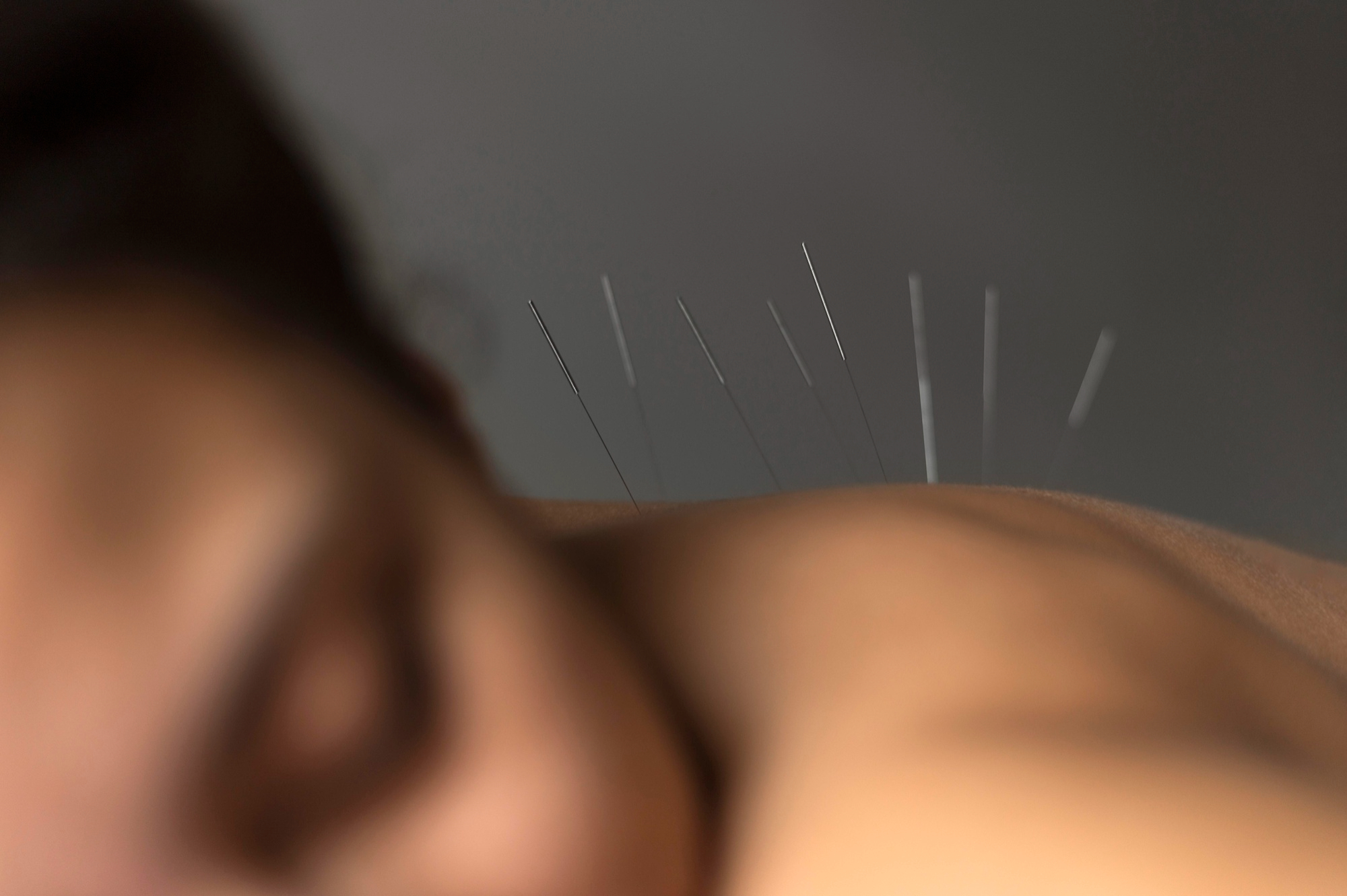
Acupuntura
tDCS - Estimulação Eléctrica Transcraniana
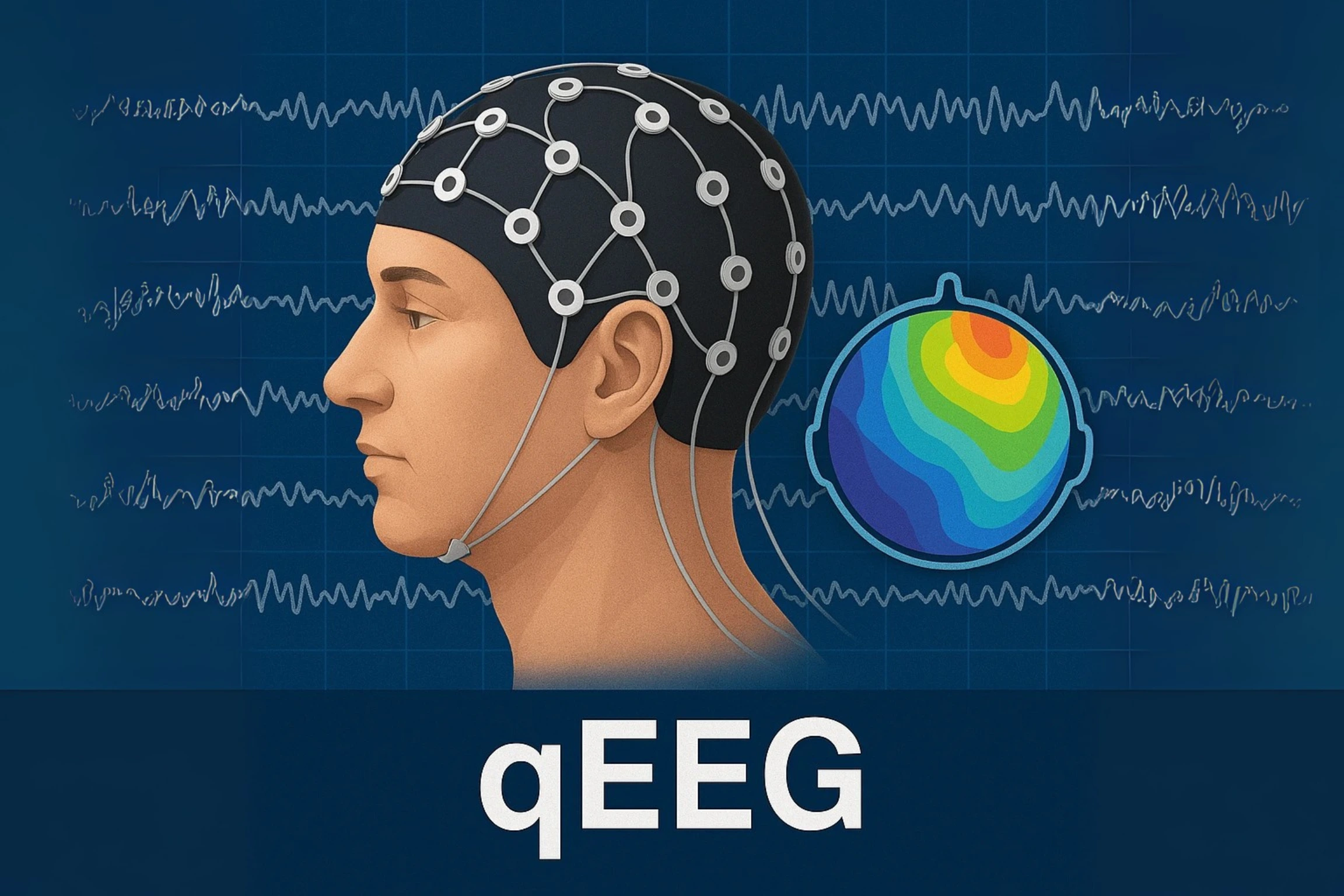
qEEG
Clínica Lisboa
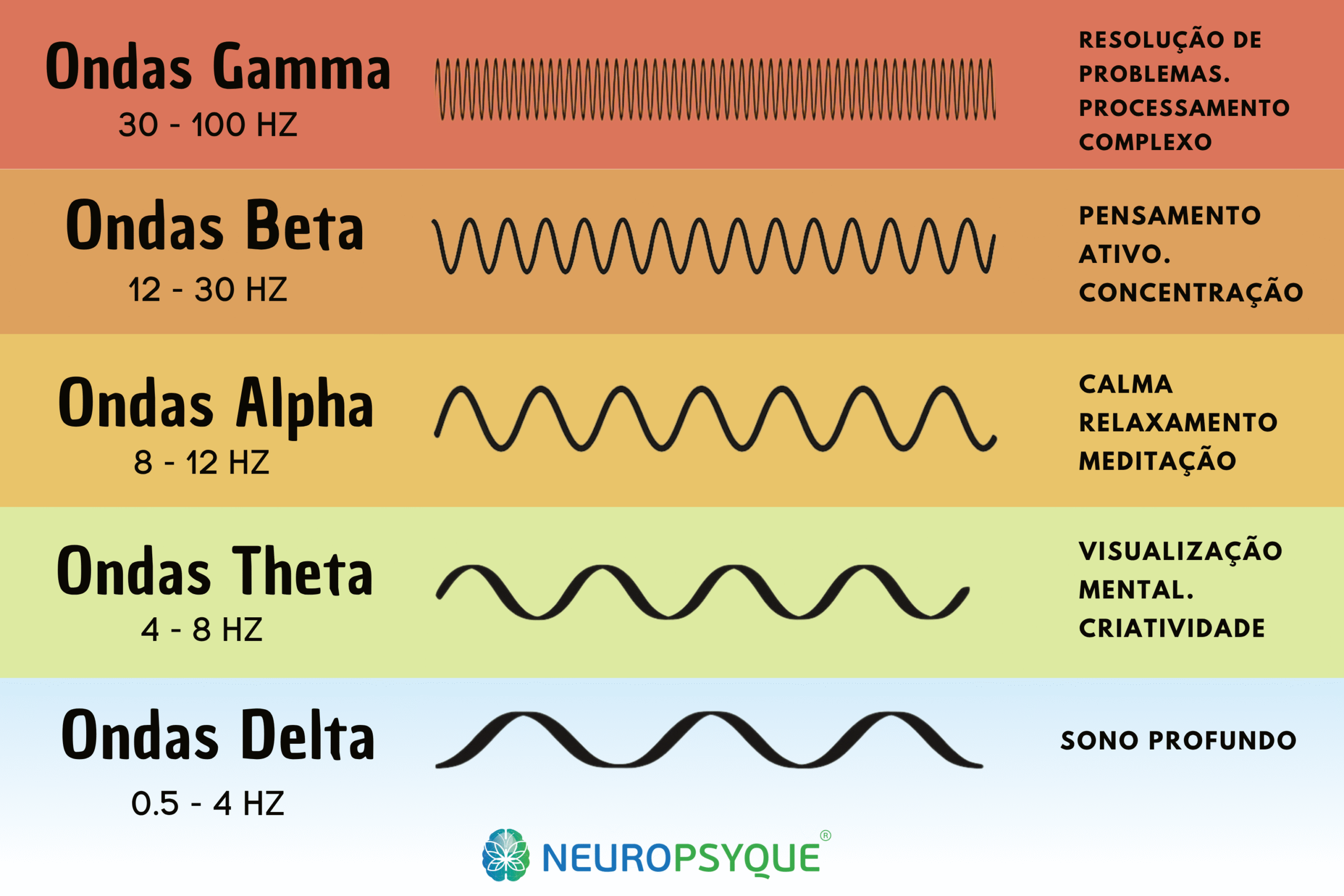
Ondas Cerebrais
Fisiologia
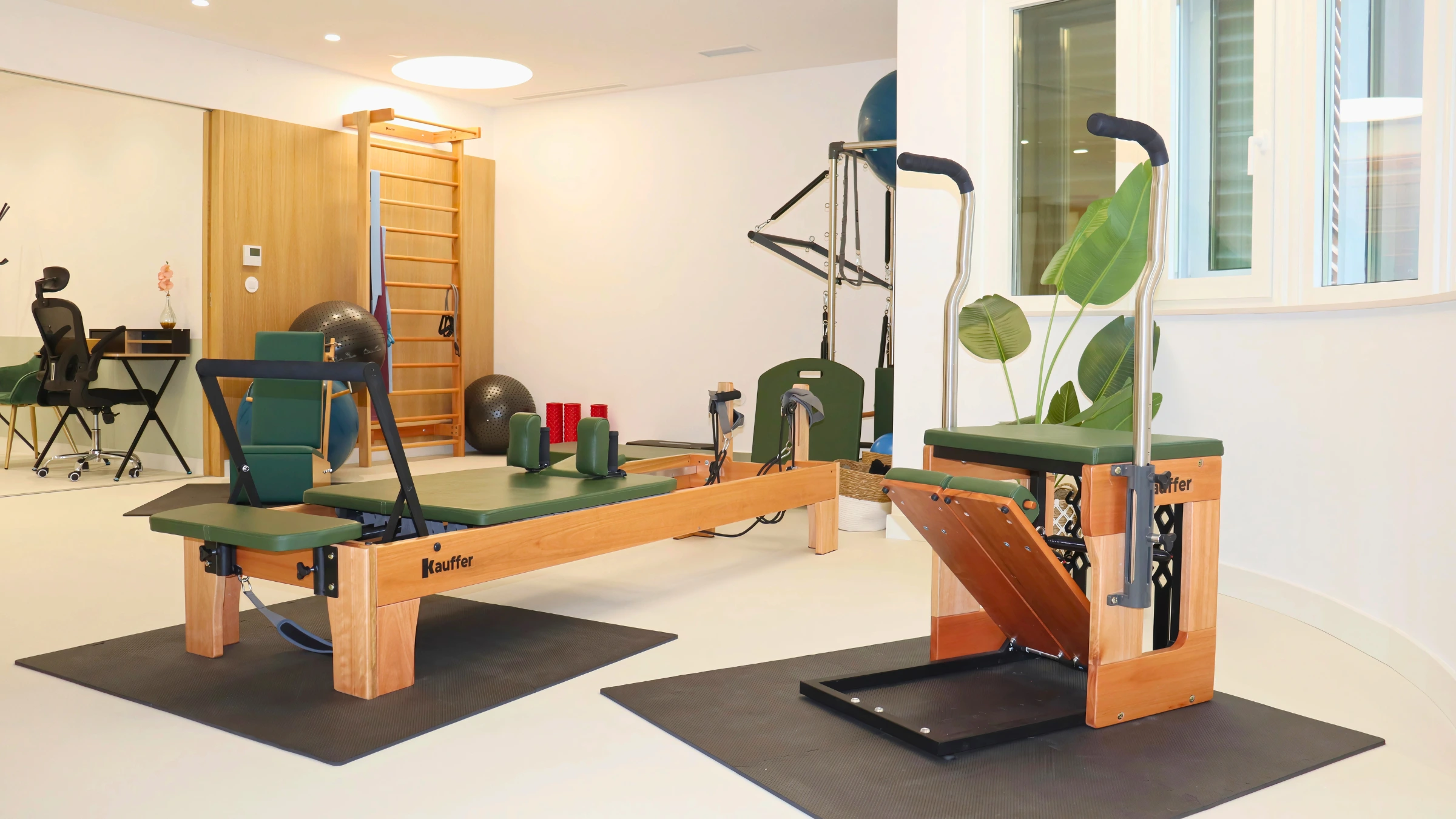
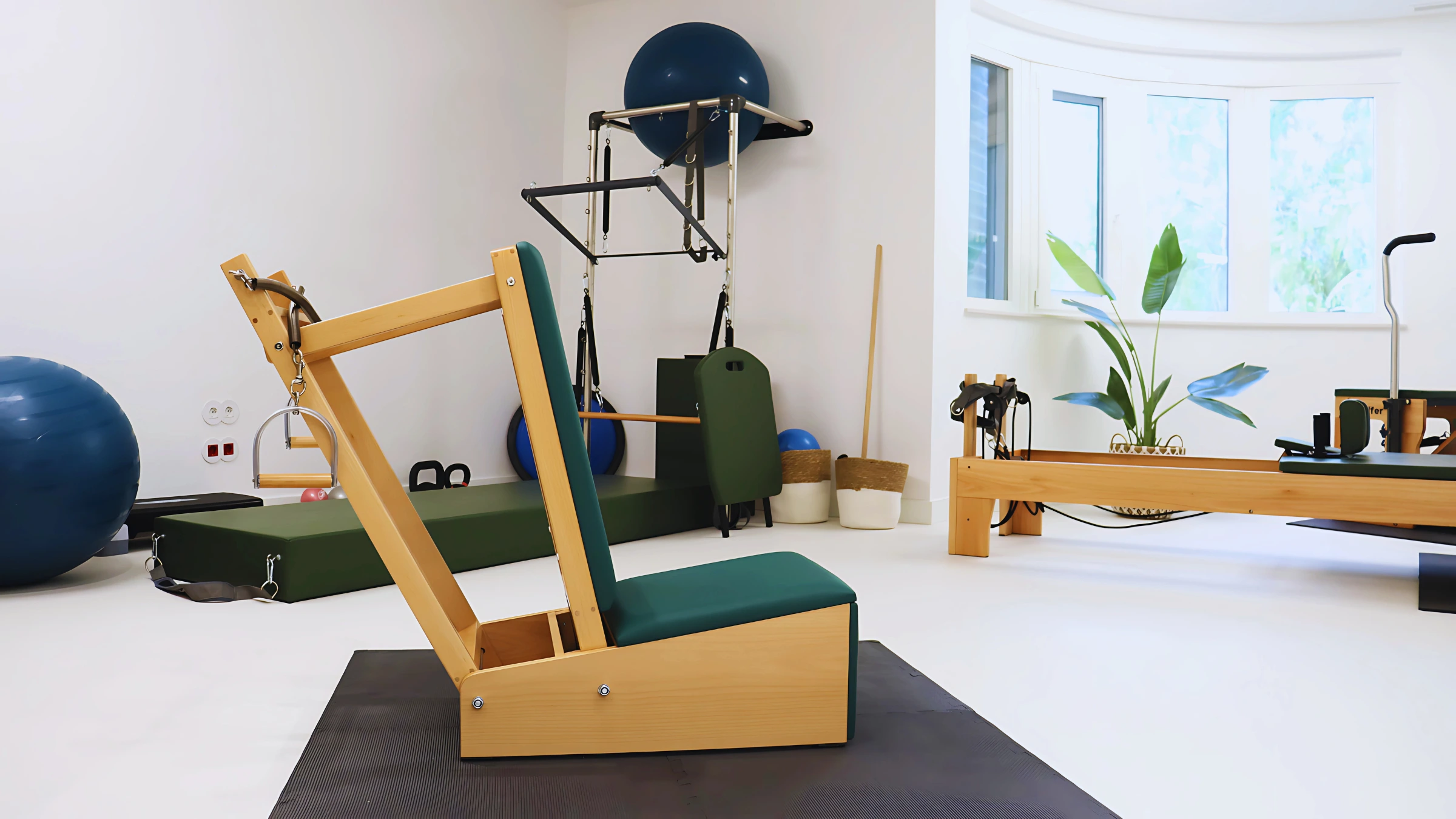
Sala Fisioterapia
Espaço Movimento e Saúde

IMPORTANCE OF SPECIALISED CONSULTATION

Pain associated with muscle stiffness is often undervalued in various neurological diseases and other conditions affecting the nervous system. The focus should be on the causes. A specialised neurological assessment makes it possible to measure the degree of stiffness, identify the muscles most affected and define an appropriate treatment plan.

💡 Treating muscle stiffness early helps prevent deformities, muscle shortening and loss of autonomy.

At NeuroPsyque, the consultation includes a detailed assessment and the use of clinical scales to measure spasticity. Treatment can combine medication, physical rehabilitation and neuromodulation techniques, with the aim of reducing pain, improving movement and increasing autonomy, always with close monitoring.

Frequently Asked Questions

FAQ's on Spastic Pain

What exactly is spasticity and how does it differ from other types of muscle stiffness?
Spasticity is an increase in muscle tension that makes movement difficult. The faster you try to move the limb, the greater the resistance. It differs from other forms of rigidity, such as Parkinson's, in which the resistance is constant. It arises due to lesions in the central nervous system and can be associated with spasms, repetitive tremors and increased reflexes.
Is pain associated with spasticity effectively treated?
Yes. Although it doesn't always go away completely, it is possible to greatly reduce pain and stiffness. Treatment can include medication, physiotherapy, neuromodulation techniques (such as EMT and tDCS) and, in some cases, specific injections. The choice depends on the cause and the needs of each person.
What is the difference between focal and generalised spasticity?
Focal spasticity affects only one group of muscles or one limb, as can happen after a stroke. Generalised spasticity involves several parts of the body. Each situation requires a different approach, and a medical assessment is important to define the best treatment.
How does EMT help treat painful spasticity?
A Transcranial Magnetic Stimulation (EMT) helps to reduce the excessive brain activity that contributes to muscle stiffness. It can reduce spasticity, relieve pain and improve movement. It is a non-invasive, safe and well-tolerated treatment.
Can spasticity get worse if left untreated?
Yes. Without treatment, spasticity can worsen over time. It can lead to shortened muscles, deformed joints, persistent pain and greater difficulty walking or maintaining posture. Early treatment helps maintain mobility and autonomy.
How long does a treatment programme for spastic pain last?
It depends on the cause and severity. For example, EMT treatments usually include several sessions over a few weeks. Medication and physiotherapy may be necessary on an ongoing basis, with adjustments over time. The plan is always adapted to each person.
Is botulinum toxin always necessary in the treatment of spasticity?
No. It is a useful option in some cases, especially when spasticity affects specific muscles. However, many people improve with medication, physiotherapy and neuromodulation techniques. The decision is made on a case-by-case basis.
Do I need a doctor's referral to book an appointment for spastic pain?
No. You can book your appointment directly. If you have health insurance, it is advisable to confirm the conditions, as some situations may require a medical referral.
Does NeuroPsyque treat spasticity associated with different neurological diseases?
Yes, spasticity can occur in various diseases of the nervous system. The initial assessment is carried out in the speciality of Neurology. The approach is personalised and integrates different forms of treatment, according to each case. Contact us for more information.