Skip to content



ALZHEIMER'S DISEASE - Treatment and Prevention in Lisbon
Specialised assessment and multidisciplinary follow-up for Alzheimer's Disease in Lisbon
WHAT IS ALZHEIMER'S DISEASE?

A neurodegenerative disease that affects memory, thinking and autonomy
Alzheimer's disease is a progressive neurodegenerative illness that mainly affects memory, but also other cognitive functions such as language, orientation, attention and the ability to carry out everyday tasks. Over time, the disease can compromise autonomy and family life, requiring rigorous diagnosis, close monitoring and a multidisciplinary approach centred on the person, but also on their carers.
Most common manifestations
- Recent memory lossForgetting conversations, appointments, errands or recent events, with frequent repetition of the same questions.
- Language and reasoning difficultiesDifficulties may arise in finding words, following conversations, organising tasks or solving everyday problems.
- Disorientation and functional changesThe person may get lost in familiar places, confuse dates or show increasing difficulty in managing their daily routine.
- Emotional and behavioural changesApathy, anxiety, irritability, distrust, agitation or sleep disturbances may appear throughout the clinical course.
MAIN CHARACTERISTICS OF ALZHEIMER'S DISEASE
Generally slow onset
Symptoms usually appear gradually, often starting with small memory gaps that become progressively more obvious.
HomeCompromised Cognition
In addition to memory, language, attention, orientation, judgement and the ability to plan or carry out tasks can be affected.
CognitionProgression over time
Alzheimer's worsens over time, with an increasing need for support in daily activities and a greater impact on personal autonomy.
ProgressionImpact on patient and family
In addition to the patient, Alzheimer's especially affects family members and carers, requiring more and more time, guidance, support and continuous adaptation.
Family
In Alzheimer's disease, early detection and structured support can make a significant difference to symptom management and family life planning. Good support can greatly increase longevity and quality of life, and ease the suffering of the family and carers.
CLINICAL EVIDENCE IN ALZHEIMER
Early intervention, accurate diagnosis and multidisciplinary support make a real difference to the course of the disease
* Alzheimer's disease is progressive, but early intervention and integrated monitoring can slow down its progression and improve the quality of life of the patient and their family.
Sources: clinical data, NIH/NIA - Alzheimer's Disease Facts and Figures; NIH/ACTIVE Study - Advanced Cognitive Training for Independent and Vital Elderly (cognitive training; lower incidence of dementia after 10 years); NIH - Clinical trials lecanemab/donanemab (slowing of cognitive progression in 27-35%); NIH/REACH II - Resources for Enhancing Alzheimer's Caregiver Health Program (reduction of caregiver burden).




IMPORTANCE OF SPECIALISED CONSULTATION
Alzheimer's disease requires a specialised neurological assessment, especially when severe symptoms of disorientation, anxiety or apathy begin to appear. Consultation is essential to characterise the pattern of cognitive impairment, exclude other causes of memory impairment and define a follow-up strategy adapted to the stage of the disease and the needs of the patient and family.
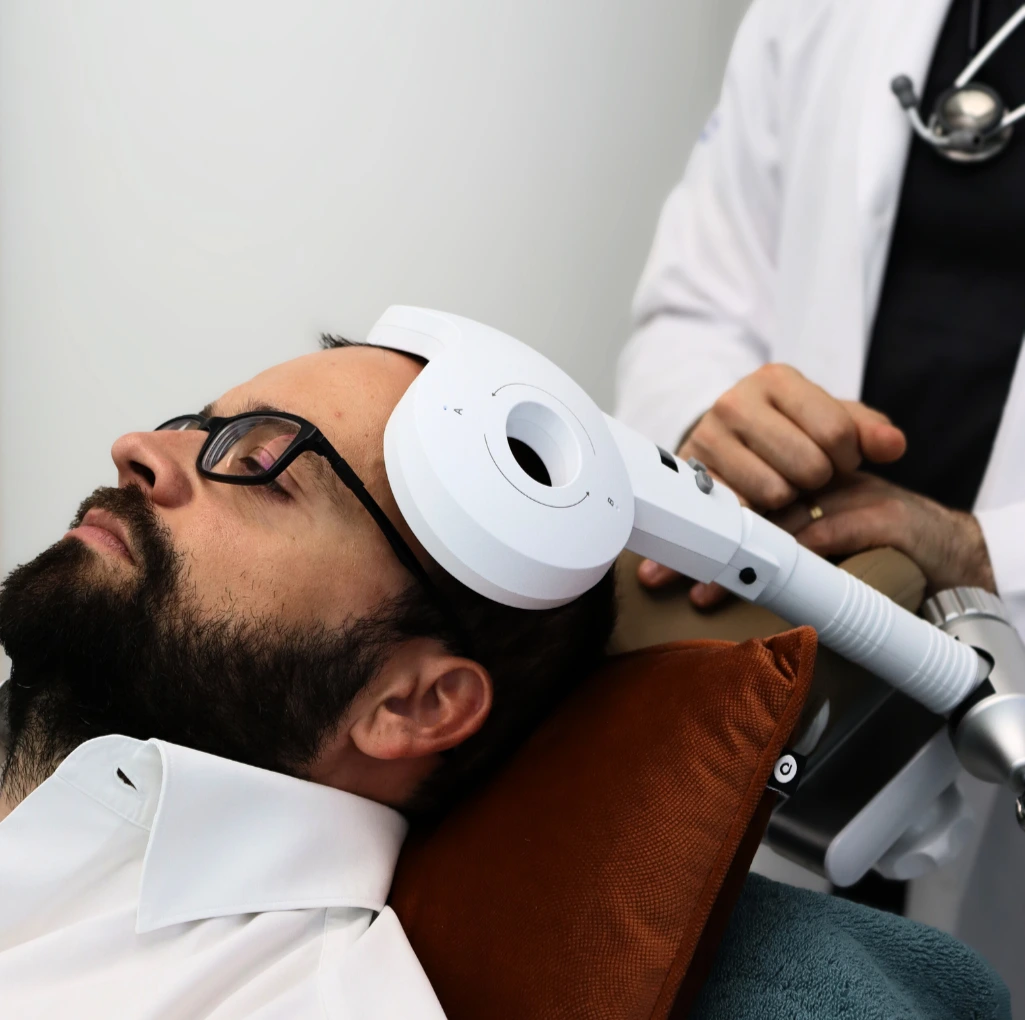
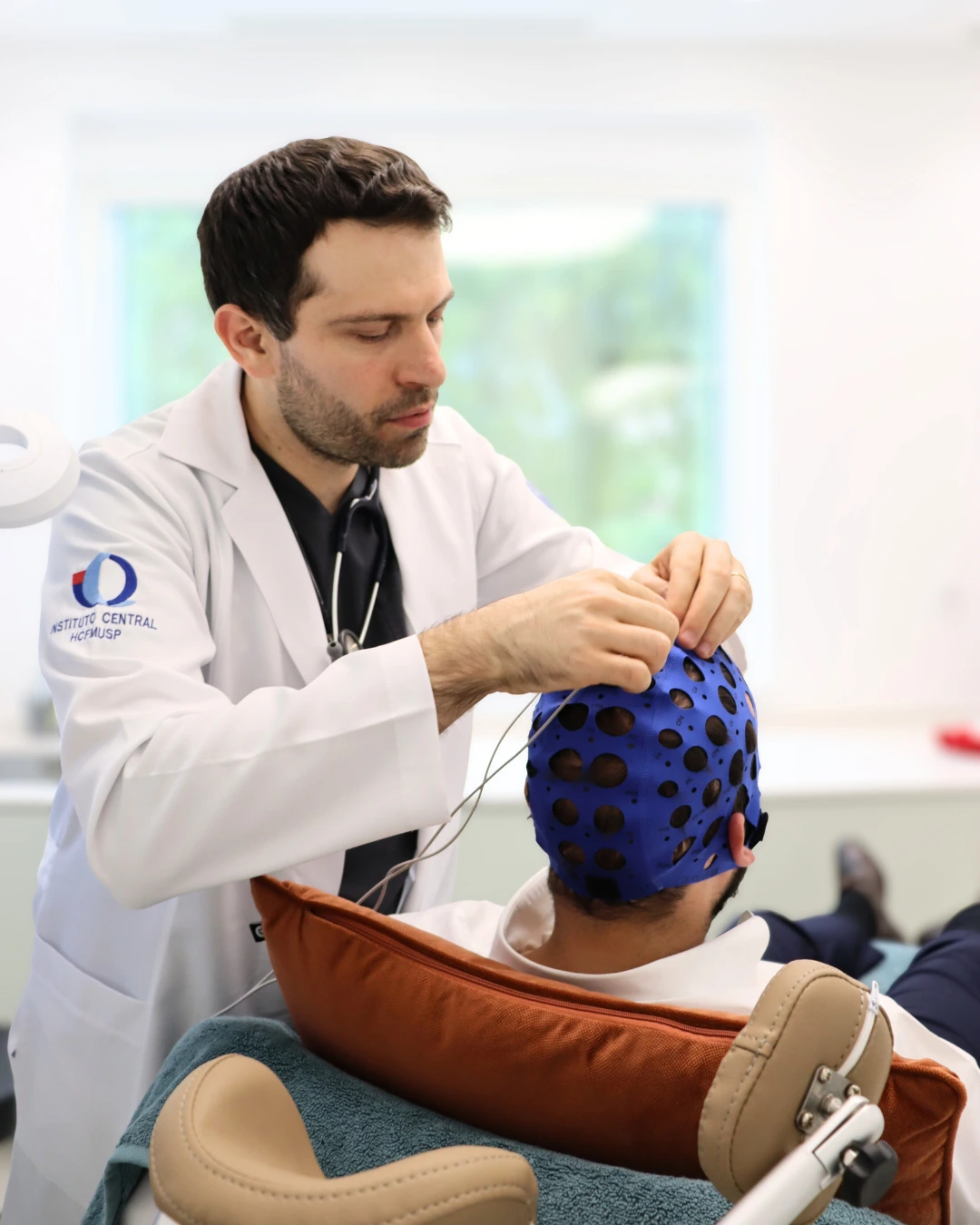
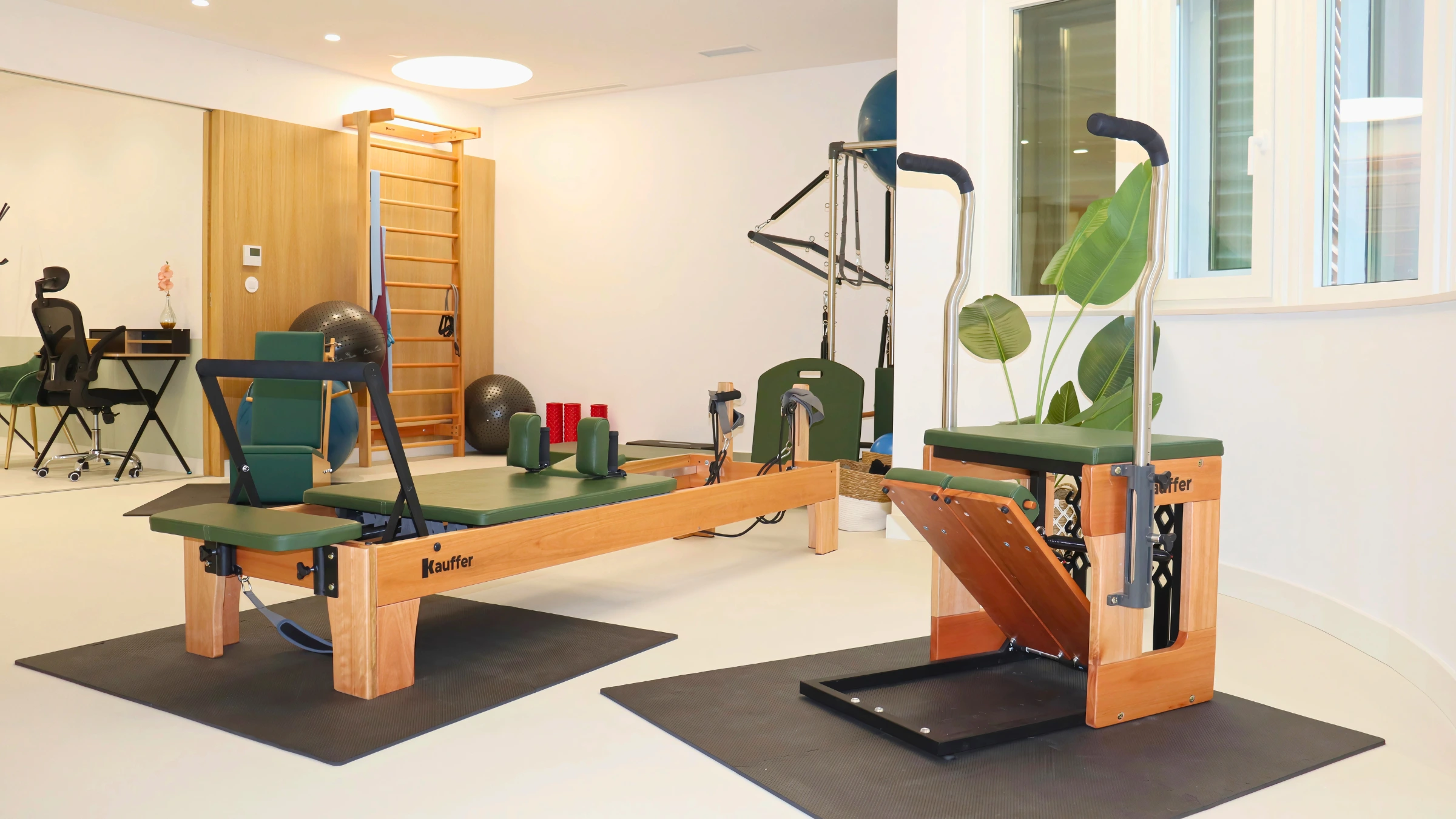
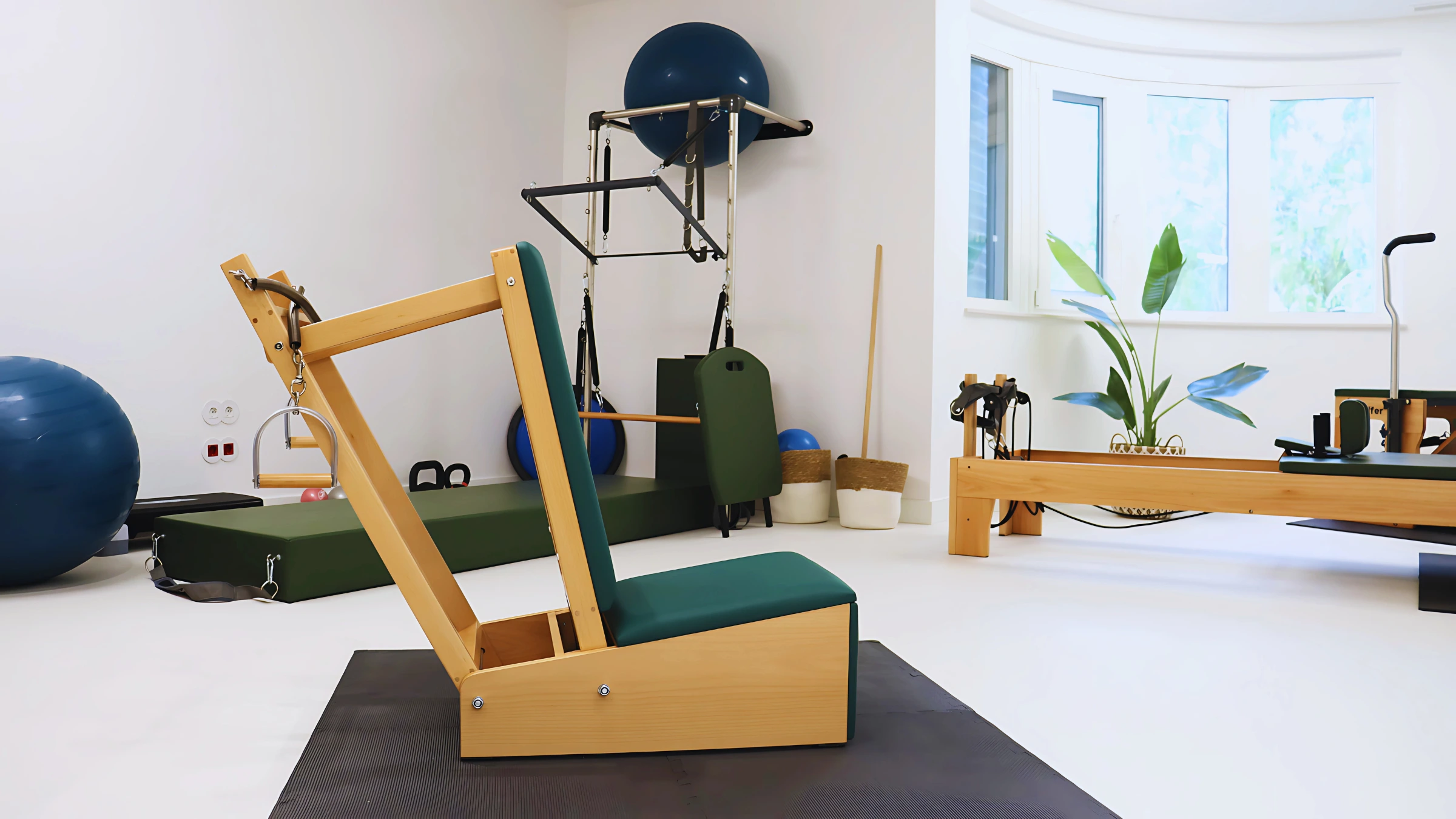
At Clínica NeuroPsyque, counselling is based on a comprehensive view of the disease. Neurological assessment, cognitive training, therapeutic guidance, functional (physical) support and counselling for carers are combined. The aim is to provide rigorous and humane follow-up, with dignity and preservation of well-being. The family's well-being is often a determining factor in the patient's well-being.
FAQ's about Alzheimer's Disease
What should I expect at the first assessment appointment?
What are the earliest signs of Alzheimer's?
How is the diagnosis made?
Does memory loss always mean Alzheimer's?
Is there a treatment for Alzheimer's?
Why is it so important to involve the family and carers?
When should I seek medical help?
Do I need a doctor's referral to book an appointment?