 Skip to content



FIBROMYALGIA - Treatment in Lisbon
Specialised assessment and multidisciplinary treatment for Fibromyalgia in Lisbon
WHAT IS FIBROMYALGIA?

A "shadow" disorder of central pain processing
Fibromyalgia is a chronic neurological syndrome characterised by generalised musculoskeletal pain, persistent fatigue and multiple associated functional symptoms. It is often misunderstood because it is not easy to assess in medical tests. It's not an imaginary disease or a manifestation of weakness - it has a well-established neurobiological basis: the central nervous system becomes hypersensitive, amplifying pain signals disproportionately. This phenomenon, called "central sensitisation", explains why fibromyalgia pain is so intense and so difficult to control with conventional painkillers.
Most common symptoms
- Generalised Pain and Sensitive PointsDiffuse pain throughout the body, often described as burning, stinging or deep pressure, with points of hypersensitivity to palpation distributed symmetrically throughout the body.
- Chronic Fatigue and Sleep DisordersExtreme tiredness that doesn't improve with rest, unrefreshing sleep and the feeling of waking up as tired as you were at bedtime, even after a full night's sleep.
- Cognitive fog (Fibro-fog)Difficulties with concentration, memory and reasoning that jeopardise any and all day-to-day functions.
- Associated SymptomsRecurrent headaches, irritable bowel syndrome, increased sensitivity to noise, light and temperature, and anxiety and depression very often coexist.
CAUSES AND TRIGGERS
Central Sensitisation of the Nervous System
The main mechanism of fibromyalgia is the central amplification of pain: the central nervous system processes and amplifies painful signals excessively, making the person hypersensitive to stimuli that would not normally cause pain.
NeurologicalGenetic and Neuroinflammatory Factors
There is a relevant hereditary component, with documented familial aggregation. Imbalances in the neurotransmitter systems (serotonin, noradrenaline, substance P) and neuroinflammatory processes contribute to the maintenance of central sensitisation.
BiologicalTrauma, Chronic Stress and Infections
Fibromyalgia can be triggered or aggravated by physical or emotional trauma, prolonged chronic stress, persistent sleep disturbances, or serious infections - all of which act as triggers in an already vulnerable nervous system.
TriggersPrevalence and Risk Groups
Fibromyalgia predominantly affects women (around 80% of cases), with a higher incidence between the ages of 30 and 60. It is often associated with other conditions such as Chronic Fatigue Syndrome, Irritable Bowel Syndrome and mood disorders.
Epidemiology
Unfortunately, fibromyalgia often coexists with depression, anxiety, chronic fatigue syndrome and neuropathic pain, requiring a truly careful diagnostic and therapeutic approach.
EFFECTIVENESS IN TREATMENT
FIBROMYALGIA
Clinical results based on meta-analyses of neuromodulation, exercise and multicomponent treatment
Sources: clinical data, Su et al. (2021), Journal of Clinical Medicine - https://pubmed.ncbi.nlm.nih.gov/34682790/, Kim et al. (2022), Psychosomatic Medicine - https://pubmed.ncbi.nlm.nih.gov/35100184/, Estévez-López et al. (2021), Arthritis Research & Therapy - https://pubmed.ncbi.nlm.nih.gov/32721388/, Araya-Quintanilla et al. (2025), Journal of Back and Musculoskeletal Rehabilitation - https://pubmed.ncbi.nlm.nih.gov/40396446/



IMPORTANCE OF SPECIALISED CONSULTATION
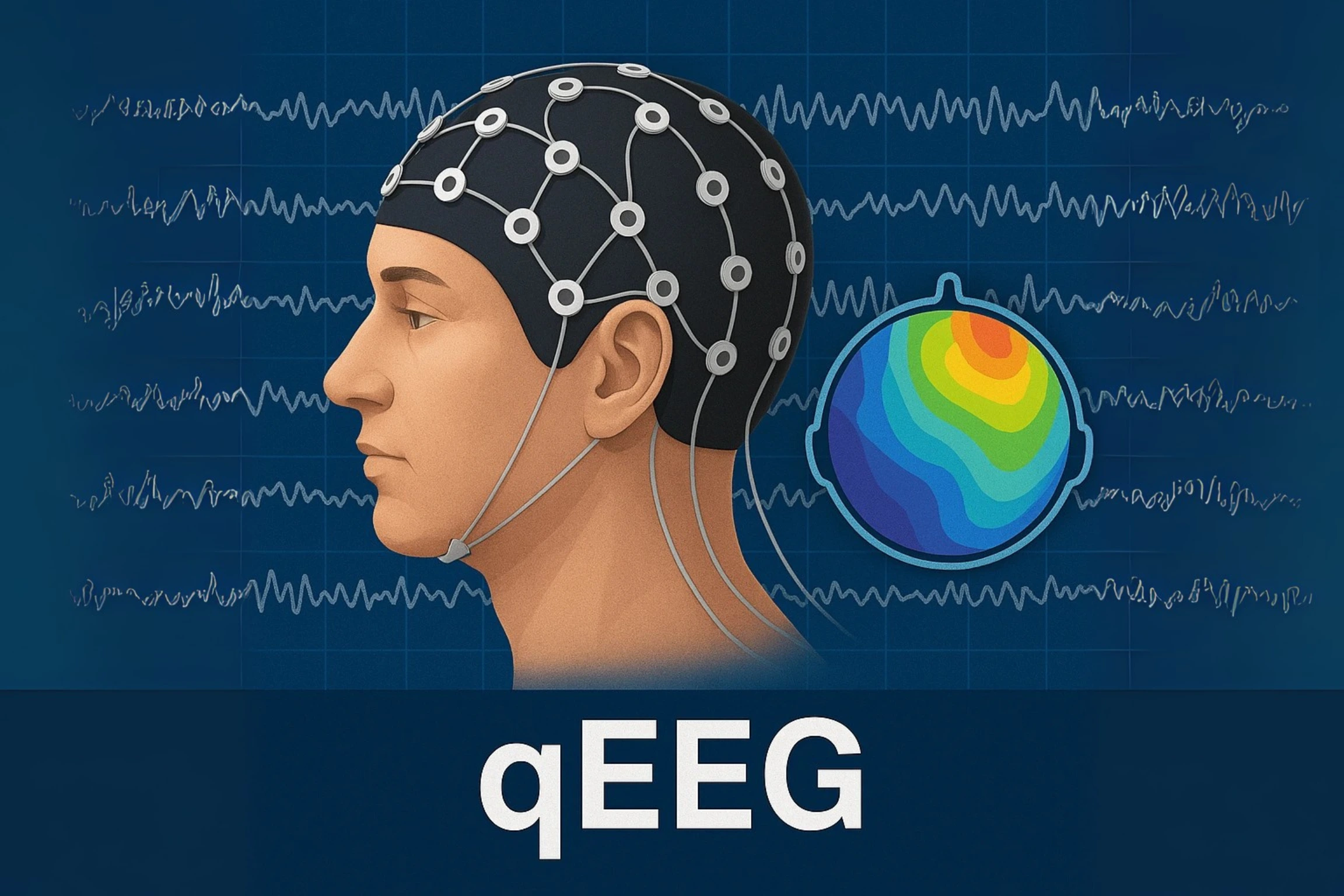
Fibromyalgia is still one of the most under-diagnosed and misunderstood conditions in medicine. Many patients go through years of consultations without a precise diagnosis, hearing that "the tests are all normal" or that the pain is "psychosomatic" - which, as well as being wrong, exacerbates suffering and isolation. A specialised neuropsychiatric assessment makes it possible to establish the correct diagnosis, exclude other causes and design a realistic and effective therapeutic plan.
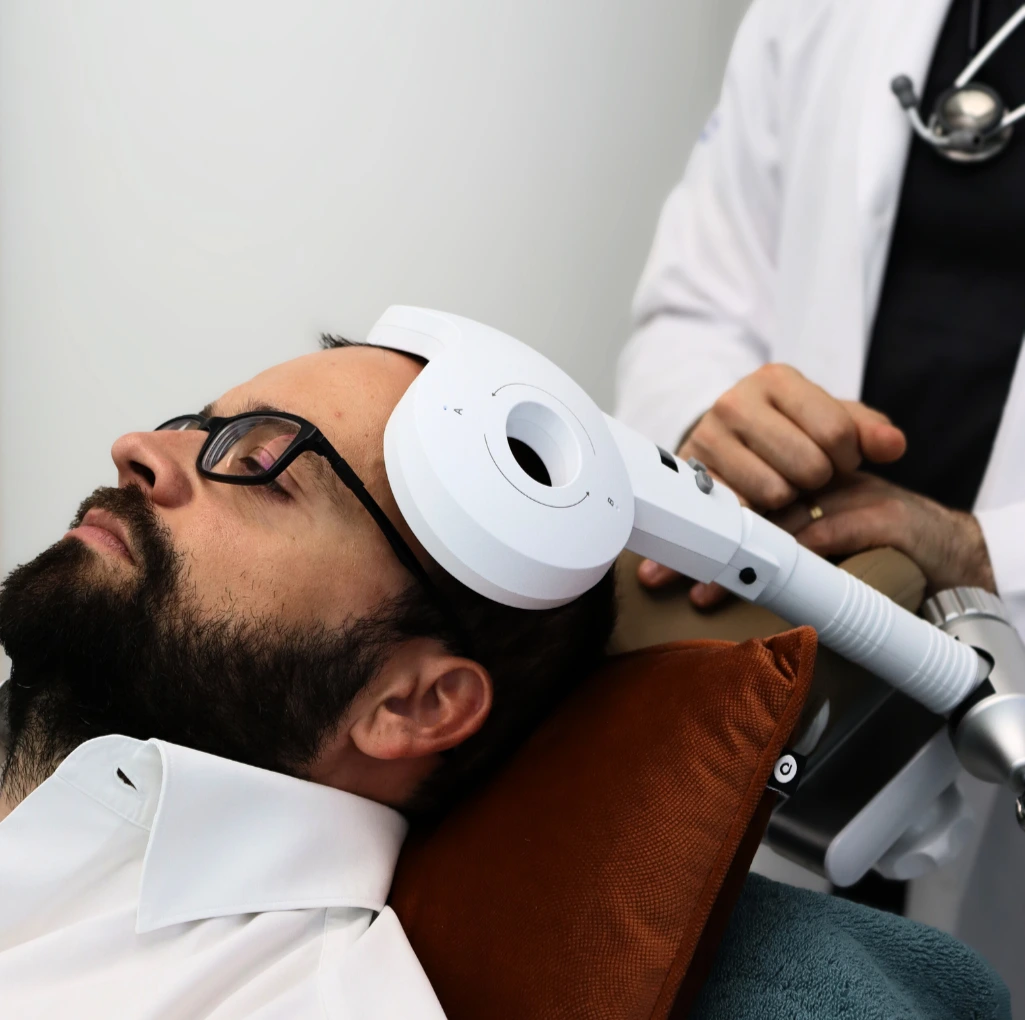
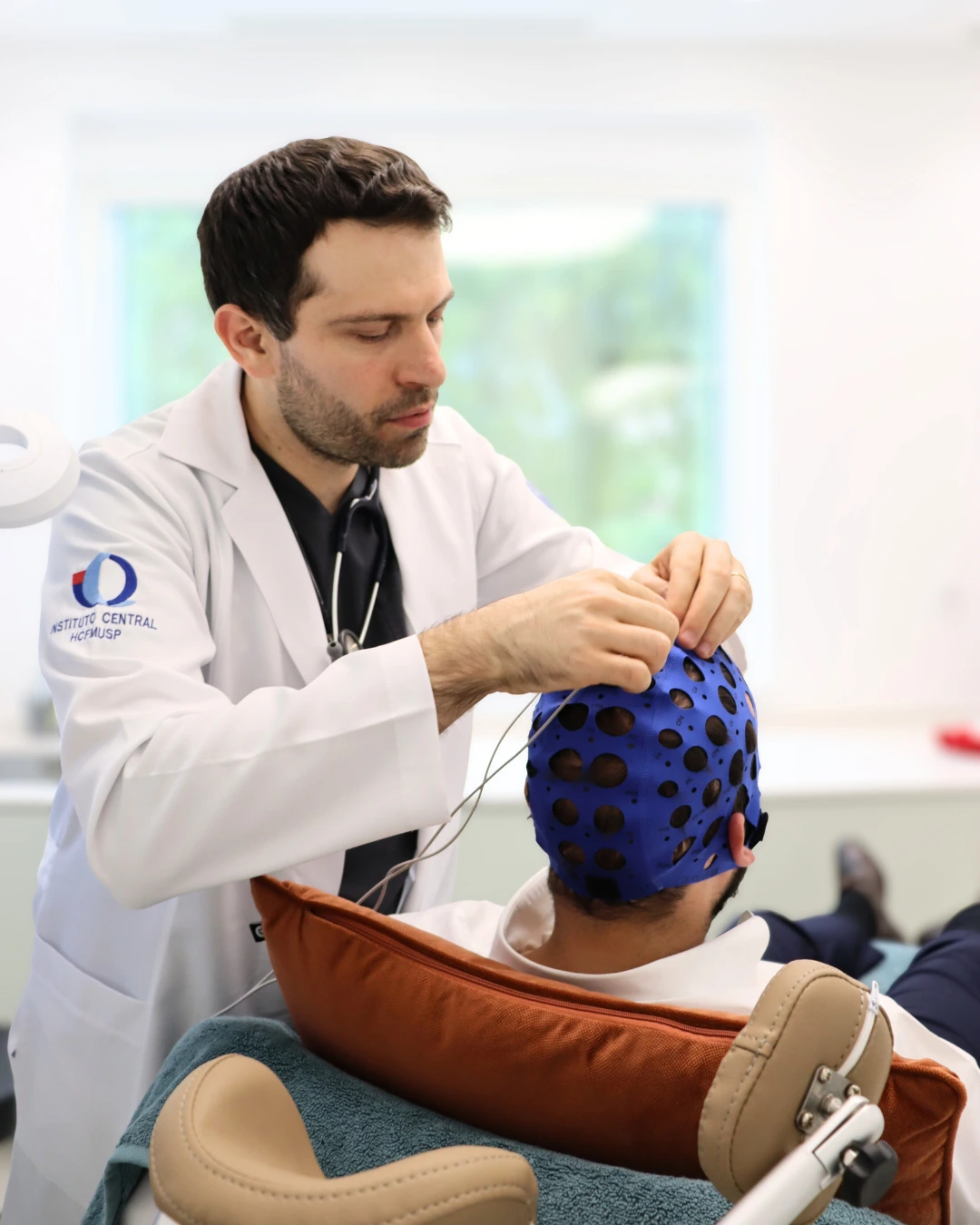
At NeuroPsyque, we approach fibromyalgia with the rigour it deserves: complete neuropsychiatric and neuropsychological assessment, neuromodulation with Transcranial Magnetic Stimulation (TMS) and tDCS for central pain modulation, cognitive-behavioural psychotherapy for chronic pain, and careful pharmacological optimisation. Our aim is to give patients back control over their lives - with science, humanity and truly person-centred care, not just symptom-centred care.