Skip to content



LATERAL AMYOTROPHIC SCLEROSIS - Treatment in Lisbon
Specialised assessment and multidisciplinary follow-up for Amyotrophic Lateral Sclerosis in Lisbon
WHAT IS AMYOTROPHIC LATERAL SCLEROSIS?
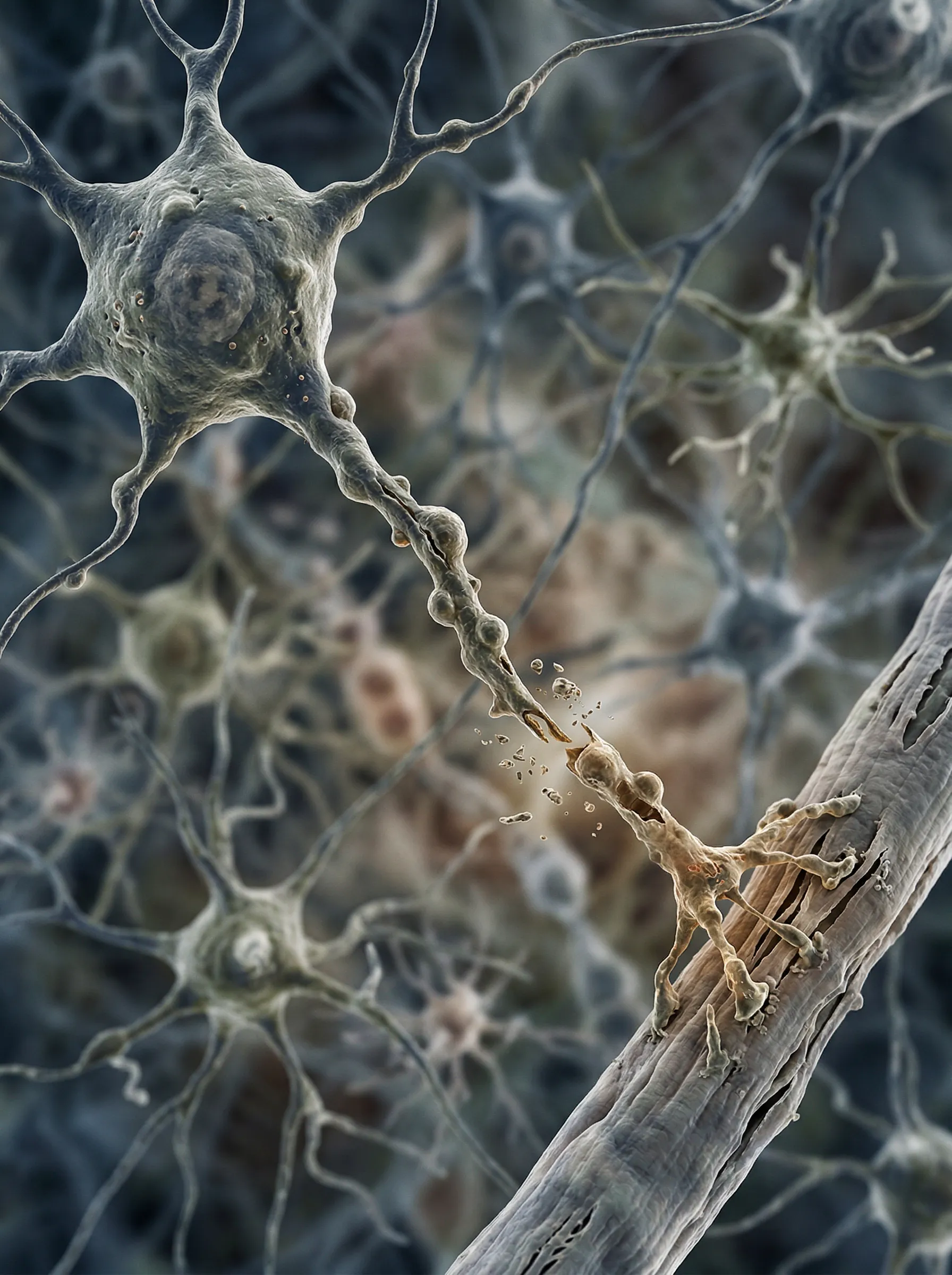
A neurodegenerative disease that affects motor neurons
Amyotrophic Lateral Sclerosis (ALS) is a progressive neurological disease that compromises the motor neurons responsible for voluntary muscle control. As these cells degenerate, there are increasing difficulties with strength, mobility, speech, swallowing (swallowing food) and breathing. It is a complex condition that requires rigorous diagnosis, continuous monitoring and multidisciplinary intervention aimed at preserving function and quality of life.
Most common manifestations
- Progressive muscle weaknessDecreased strength in the limbs, difficulty grasping objects, climbing stairs, walking or performing usual tasks.
- Atrophy and fasciculationsLoss of muscle mass and small involuntary movements visible under the skin, often associated with cramps.
- Speech and swallowing disordersProgressive difficulty articulating words, chewing or swallowing.
- Respiratory and functional impairmentAs the disease progresses, fatigue, shortness of breath, reduced autonomy and the need for closer specialised support can arise.
HER MAIN FORMS AND CHARACTERISTICS
Beginning in the limbs
In many cases, the first signs appear in the hands, arms, legs or feet, with loss of strength, frequent stumbling or difficulty with fine movements.
MembersBulbar start
In some people, the disease first manifests itself in speech disorders, a nasal voice, choking or difficulty swallowing.
BulbarSporadic and familiar forms
Most cases are sporadic, but there is a smaller percentage that is hereditary, related to specific genetic mutations.
GeneticsProgressive and heterogeneous disease
The speed of progression and predominant symptoms can vary significantly between patients, requiring individualised monitoring and therapeutic adaptation.
Variable
Although ALS mainly affects the motor system, the emotional, functional and family impact of the disease makes a truly integrated approach between specialities indispensable.


IMPORTANCE OF SPECIALISED CONSULTATION
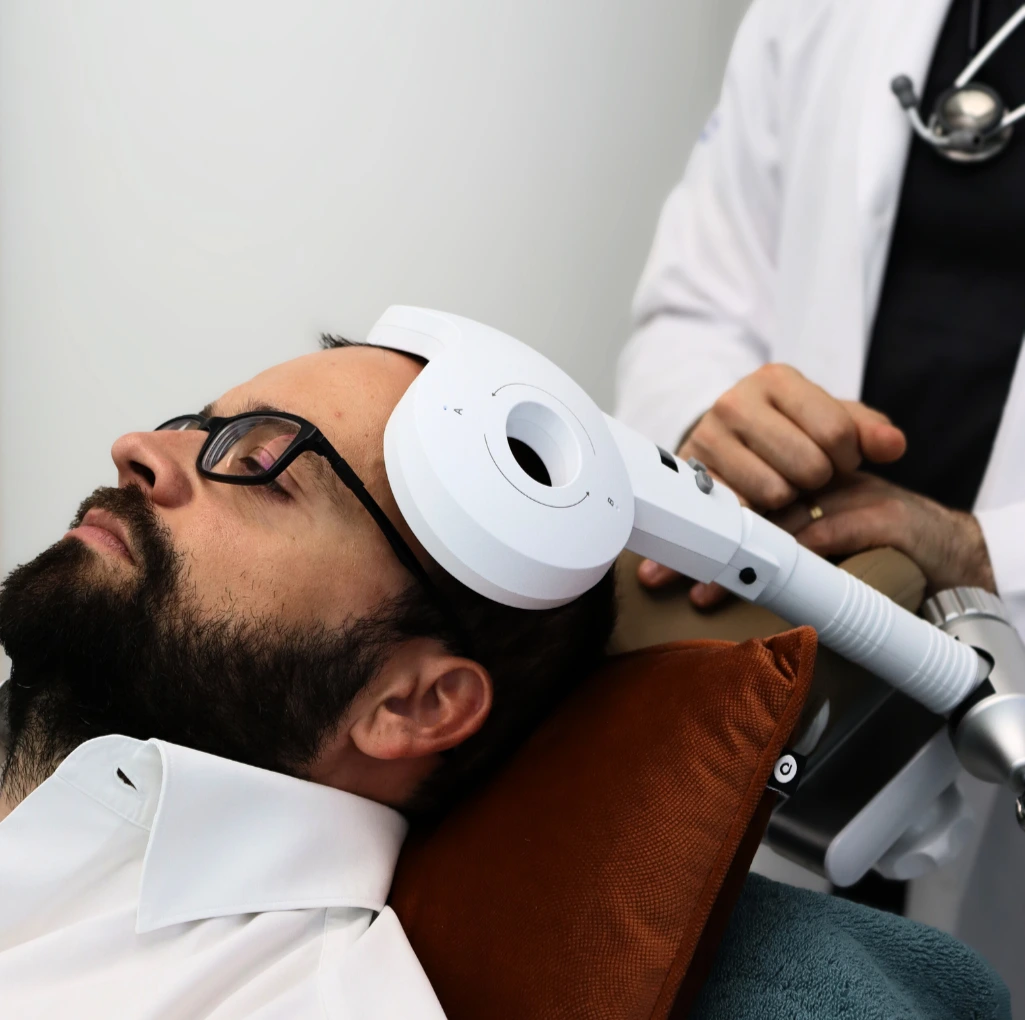
Amyotrophic Lateral Sclerosis requires specialised neurological assessment and close follow-up from the earliest stages. Consultation is essential to characterise the symptoms, confirm the diagnosis, exclude other causes of motor neurone disease and structure a follow-up plan adapted to the clinical progression and specific needs of each person.
At Clínica NeuroPsyque, follow-up is based on an integrated view of the disease, combining neurological assessment, functional support, respiratory and nutritional monitoring, symptom management and emotional support for the patient and their family. The aim is to offer rigorous, humanised care focused on dignity and well-being at all stages of the disease.
FAQ's about Amyotrophic Lateral Sclerosis
What should I expect at the first assessment appointment?
What are the most common first signs of ALS?
How is the diagnosis made?
Does ALS only affect the muscles?
Is there a treatment for ALS?
Why is the approach between different specialities so important?
Should the family also be involved in monitoring?
Do I need a doctor's referral to book an appointment?