Skip to content



EPILEPSY - Treatment in Lisbon
Specialised neurological assessment and clinical seizure control in Lisbon
WHAT IS EPILEPSY?

A disturbance in the brain's electrical activity
Epilepsy is a chronic neurological disease characterised by the occurrence of recurrent abnormal and excessive electrical discharges in a group of brain cells (neurons). It can affect people of all ages, requiring an accurate clinical diagnosis and ongoing management to prevent recurrences and protect brain function.
Most common manifestations (Types of Crisis)
- Focal seizuresThey affect only one part of the brain and can cause abnormal movements in a limb, sensory changes, a feeling of "déjà vu" or confusion.
- Generalised Tonic-Clonic SeizuresThey involve the entire brain, causing sudden loss of consciousness, muscle rigidity (tonic phase) and rhythmic tremors (clonic phase).
- Crises of AbsenceVery brief lapses of consciousness (blank stares), often mistaken for inattention, more common in childhood.
- Post-crisis symptomsPeriod of confusion, extreme fatigue, drowsiness and headaches after a seizure.
CAUSES AND TRIGGERS
Structural causes
Cerebrovascular Accident (CVA), brain tumours or severe head trauma that leaves scars and epileptogenic foci in the brain tissue.
StructuralGenetic factors
Inherited predisposition or specific genetic mutations that affect the regulation of the excitability of neurons in the brain.
GeneticInfectious Causes
Infections of the central nervous system, such as meningitis, viral encephalitis or neurocysticercosis, which cause inflammation or damage to the brain.
InfectiousTriggers (Precipitating Factors)
Severe sleep deprivation, intense stress, flashing lights (photosensitivity), excessive alcohol consumption or failure to take medication.
Triggers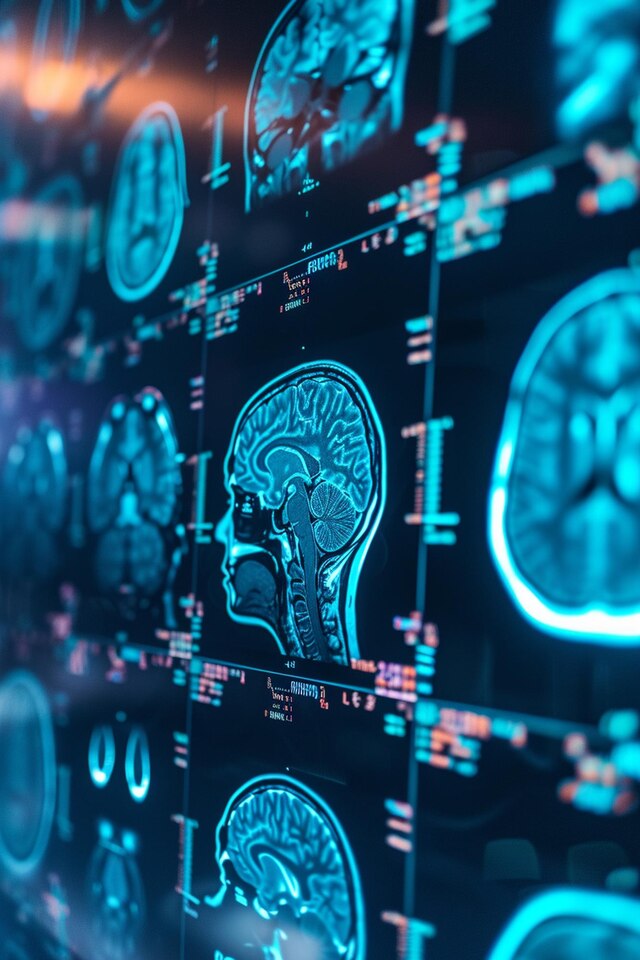
In around 50% of cases, the exact cause of the epilepsy is not identified and it is classified as idiopathic epilepsy or epilepsy of unknown cause.
EFFECTIVENESS IN THE TREATMENT OF EPILEPSY
Solid clinical results with advanced neurological follow-up
Sources: clinical data, World Health Organisation, Epilepsy, Chen Z et al. (2018), 30-year longitudinal cohort in newly diagnosed epilepsy e Kalilani L et al. (2018), systematic review and meta-analysis on pharmacoresistant epilepsy.





THE IMPORTANCE OF EARLY AND ACCURATE DIAGNOSIS
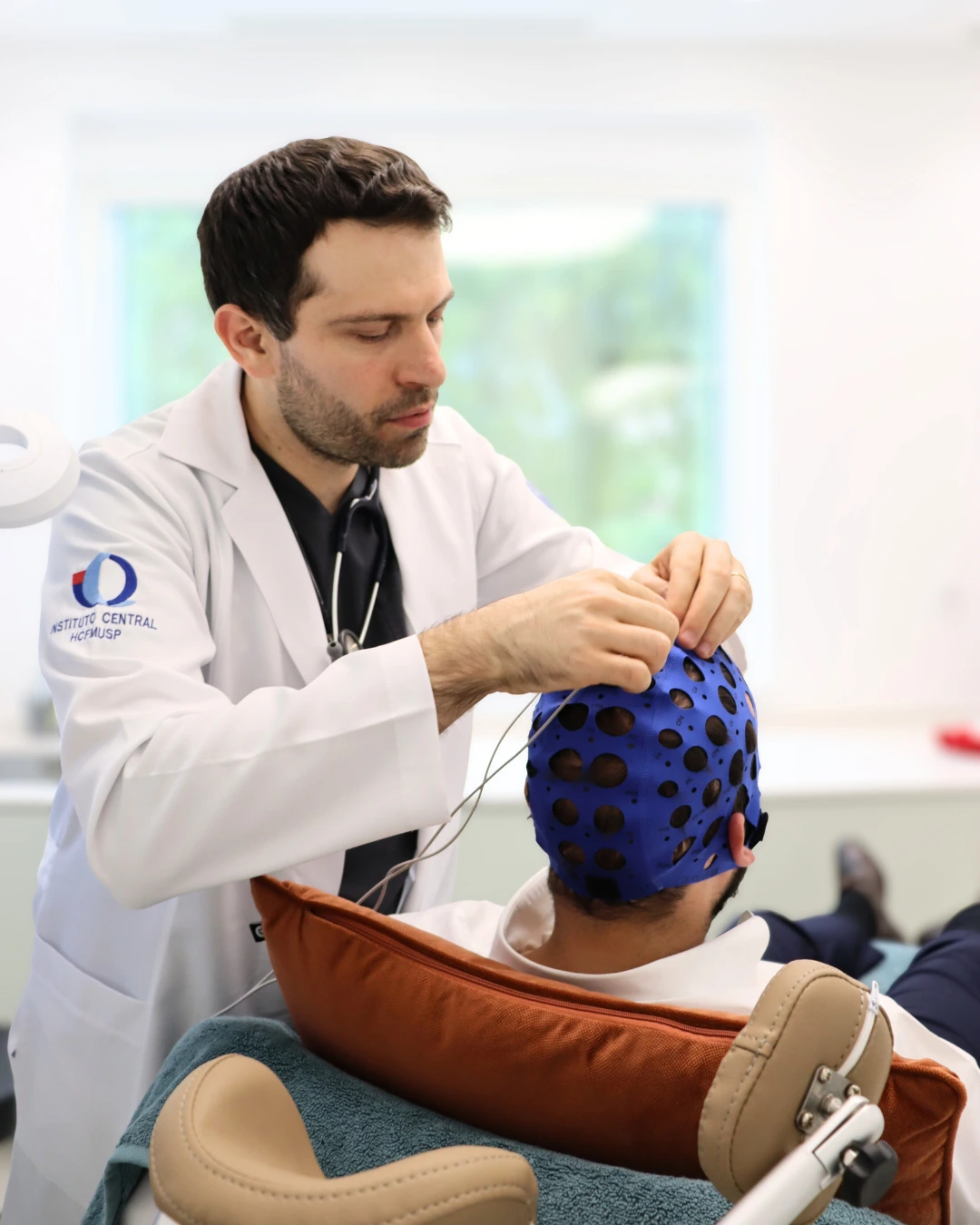
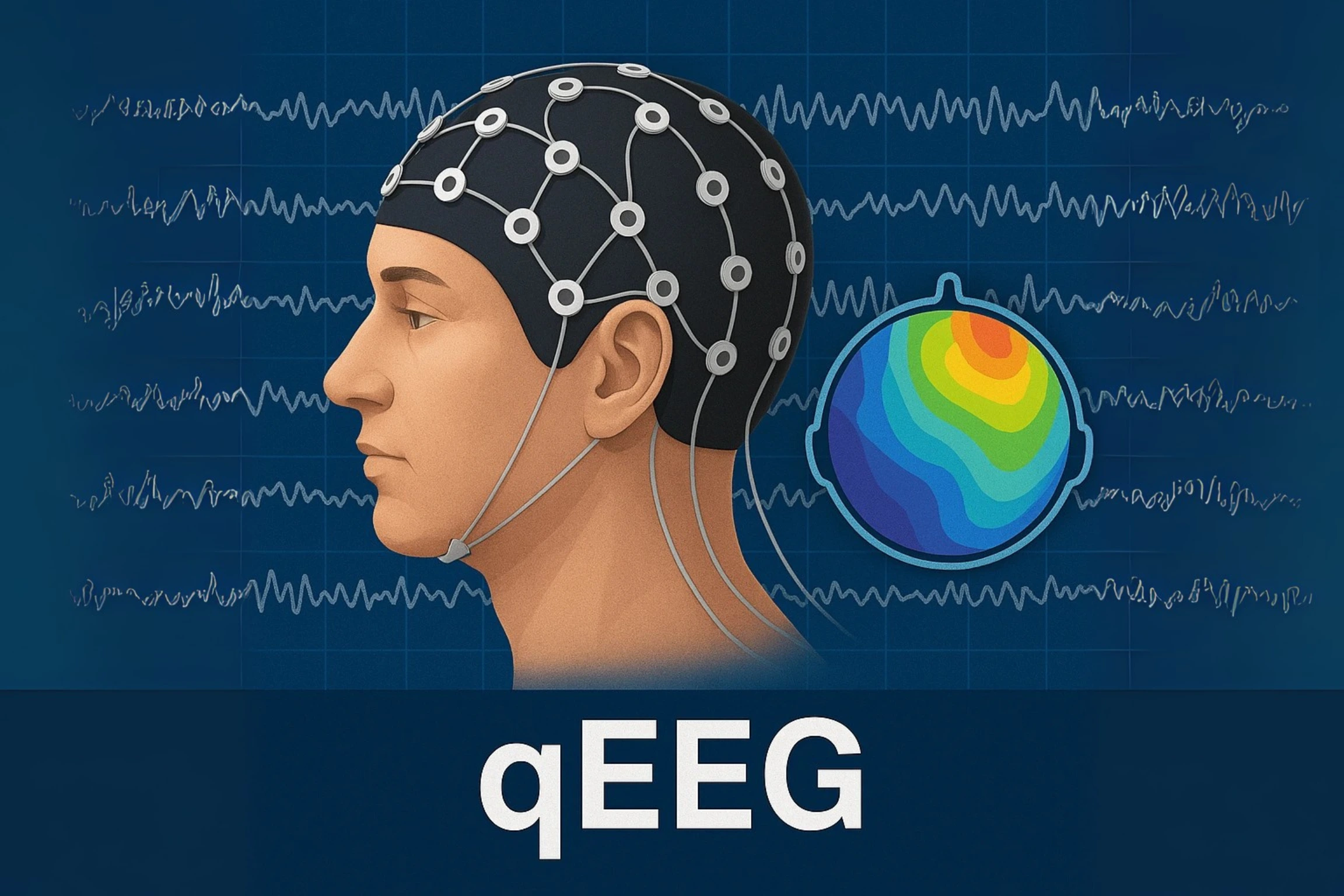
Epilepsy requires a rigorous diagnosis, often supported by neurophysiological tests (such as the Electroencephalogram - EEG) and imaging tests, in order to correctly classify the type of seizure and the epilepsy syndrome. A vague diagnosis or inadequate treatment can worsen seizures and increase the side effects of medication.
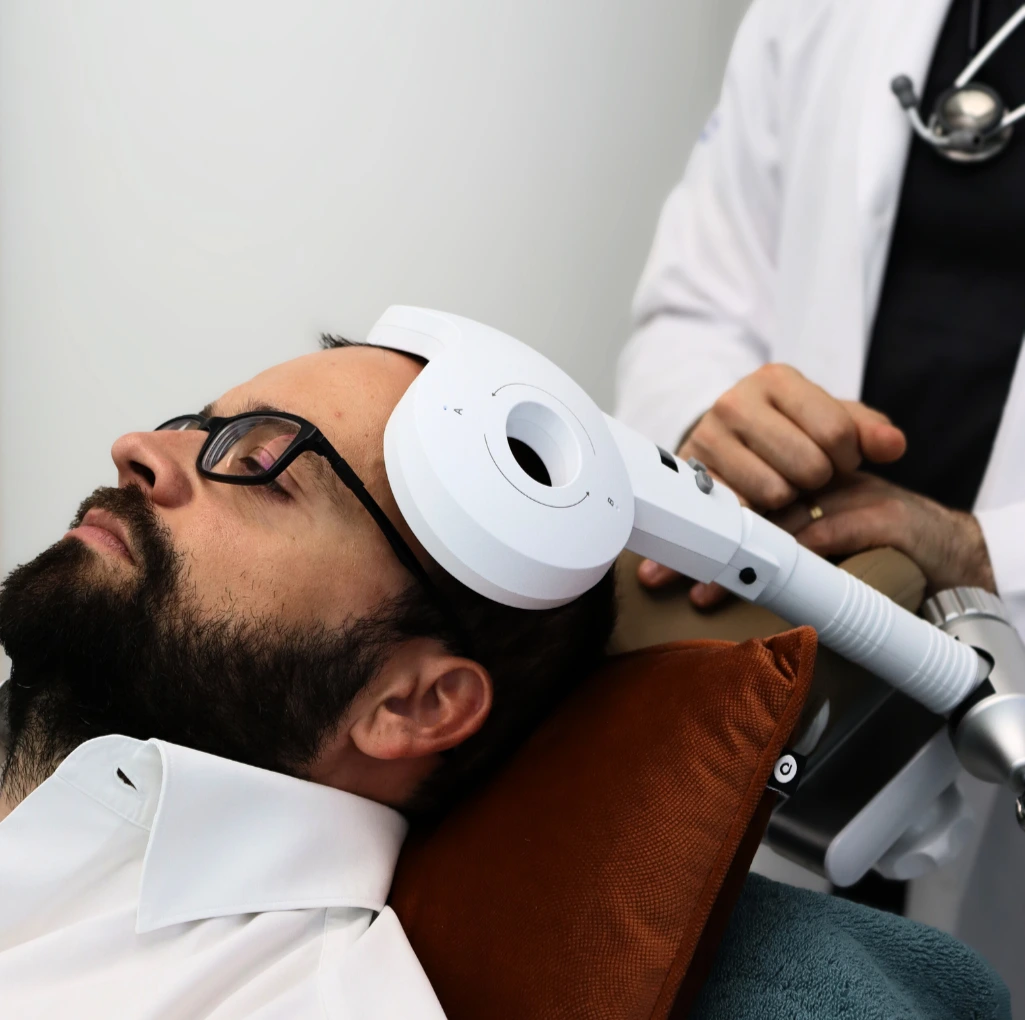
At NeuroPsyque, we monitor the condition from the first seizure to cases that are difficult to control (drug-resistant epilepsy). We offer continuous monitoring, always assessing the need for adjustments, and when indicated, the possibility of using advanced therapies or surgical referral, guaranteeing the protection of your brain function and overall well-being.
FAQ's about Epilepsy
Does a single seizure mean I have epilepsy?
Can epilepsy be cured?
What should I do if someone close to me has a seizure?
Can I drive with epilepsy?
Can women with epilepsy get pregnant safely?
What to do when medication doesn't work (refractory epilepsy)?