Skip to content



SMOKING - Treatment in Lisbon
Specialised assessment and clinical treatment for Smoking Cessation in Lisbon
WHAT IS SMOKING?

Chronic chemical dependency
Smoking is not just a "bad habit", but a chronic disease characterised by chemical and psychological dependence on nicotine. Nicotine reaches the brain in seconds, altering reward pathways and releasing dopamine. It is this change in brain chemistry that makes smoking cessation such a complex challenge.
Most common manifestations
- CravingIntense, sudden and almost uncontrollable desire to smoke a cigarette.
- Abstinence SymptomsIrritability, deep anxiety, insomnia, headaches and difficulty concentrating when trying to stop.
- ToleranceThe need to smoke increasing amounts over time to get the same relief or reward effect.
- Automation and TriggersSmoking is strongly associated with daily routines (such as drinking coffee, driving or moments of stress).
MECHANISMS AND FACTORS OF ADDICTION
Physiological dependence
Nicotine is a neurostimulant, promoting the release of dopamine (the hormone responsible for motivation and agency) and causing a cycle of immediate reward and neuronal habituation. Once addicted, the body no longer knows how to function properly in the absence of the substance.
ChemistBehavioural conditioning
The repeated association of cigarettes with daily routines (after meals, with coffee or driving), making the act mechanical and automatic Dependence is not just chemical, but emotional and "ritualistic".
BehaviouralEmotional triggers
The use of tobacco as an artificial compensation mechanism: to regulate stress, relieve anxiety, boredom or even sadness.
PsychologicalSocial Factors
Exposure in work contexts or living in environments where smoking is normalised, facilitating both initiation and relapse.
Environmental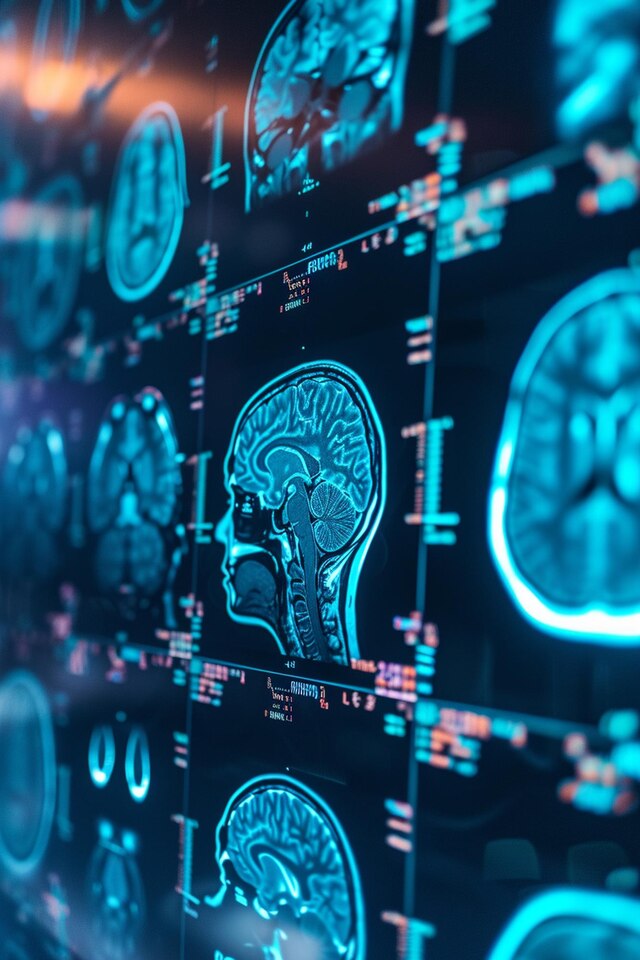
Tobacco addiction is a complex interaction between neurobiological, psychological and behavioural factors.
EFFECTIVENESS IN THE TREATMENT OF SMOKING CESSATION
Consistent clinical results with advanced neuromodulation and integrated medical follow-up
* Tobacco addiction is a physical alteration of the brain. Sustainable recovery requires curbing the nicotine reward pathways to avoid emotional distress.
Sources: clinical data, tDCS clinical trial on reducing tobacco consumption (Frontiers, 2018); Multicentre Study and FDA Approval for EMT in Smoking Cessation (World Psychiatry, 2021); Impact of cessation on energy and lung function (WHO).





THE IMPORTANCE OF SEEKING SPECIALISED HELP
When the habit is deeply rooted, quitting smoking using "willpower" alone tends to result in frequent relapses, not because of a lack of character, but because of the intense neurobiological changes caused by nicotine dependence. A properly structured medical approach is essential to minimise the physical suffering of withdrawal and the psychological impact of giving up an ingrained habit.
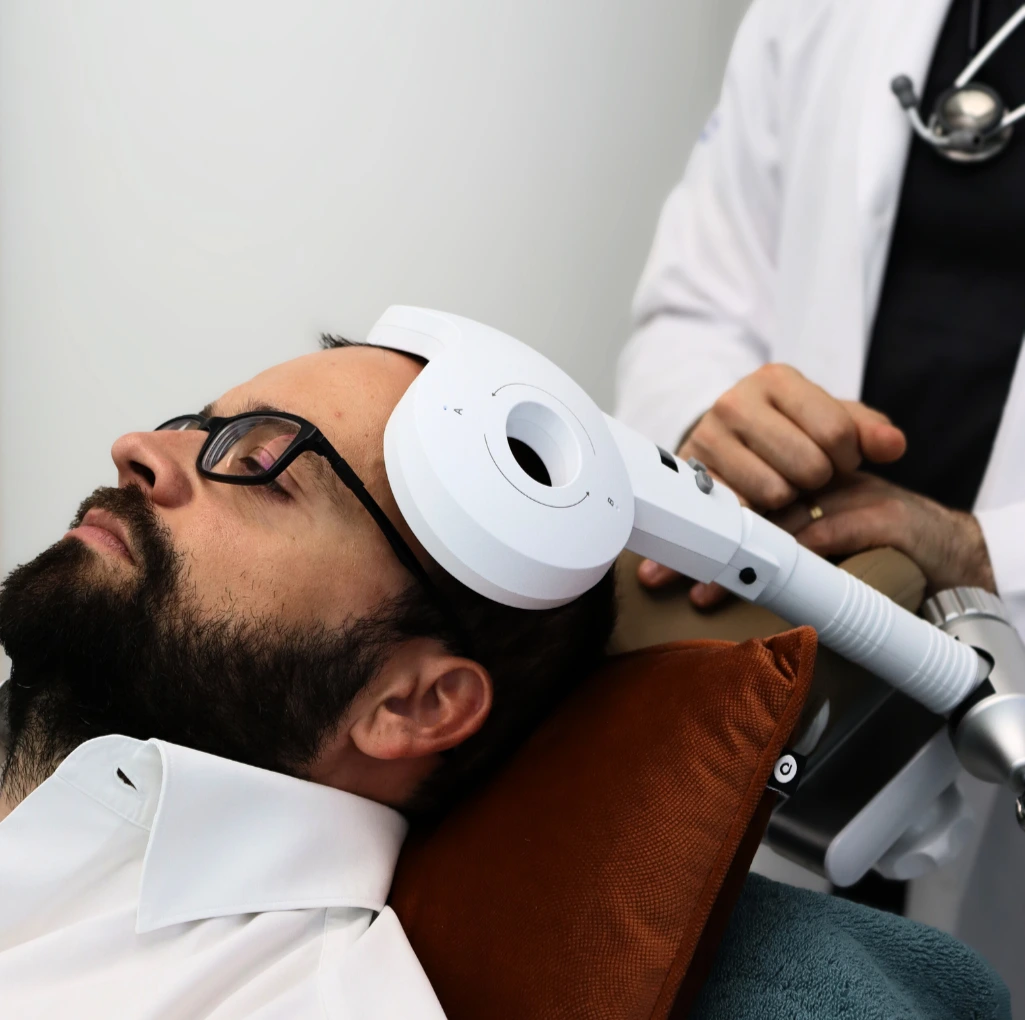
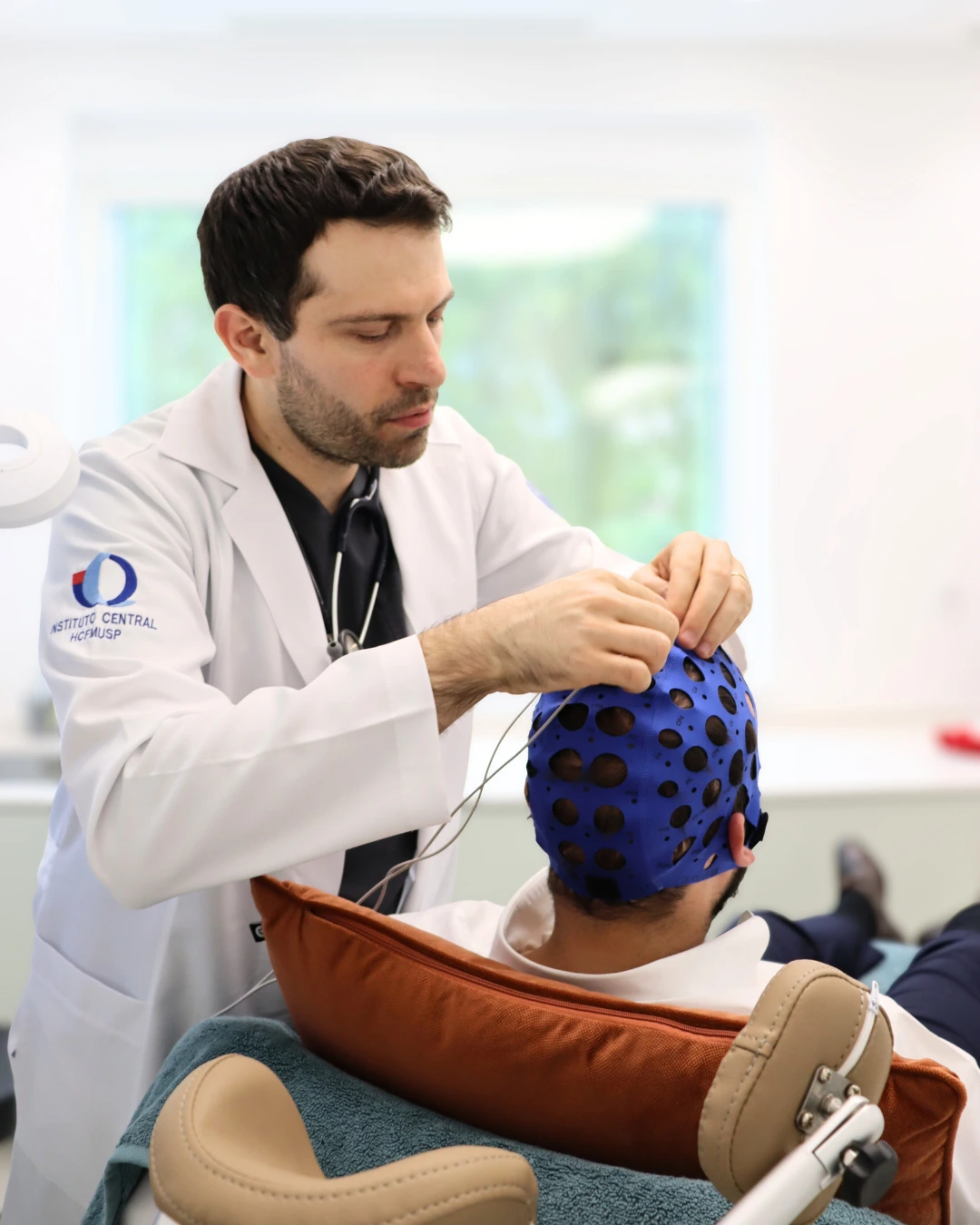
At NeuroPsyque, we have an integrated Smoking Cessation programme. Our approach combines appropriately adjusted pharmacological therapy, psychological support to change behaviour and, when indicated, advanced neuromodulation protocols (such as Transcranial Magnetic Stimulation) to effectively reduce craving and anxiety symptoms, maximising your chances of definitive success.
FAQ's on Smoking Cessation
Is it possible to quit smoking overnight without support?
I've tried to stop several times and relapsed. Is it worth trying again?
Will I put on weight if I stop smoking?
What role does neuromodulation (EMT and tDCS) play in smoking cessation?
What medication can be used?
How soon do I start to feel the benefits of quitting?