Skip to content



BULIMIA NERVOSA - Treatment in Lisbon
Specialised assessment and multidisciplinary treatment for Bulimia in Lisbon
WHAT IS BULIMIA NERVOSA?

A profound eating disorder
Bulimia Nervosa is a psychiatric illness characterised by recurrent episodes of compulsive eating (uncontrolled consumption of large quantities of food), followed by inappropriate compensatory behaviours to prevent weight gain. It is a condition that generates immense emotional pain, shame and guilt, which seriously affects the individual's physical and mental health.
Most common manifestations
- Episodes of CompulsionIngestion of large quantities of food in a short space of time, with a feeling of loss of control.
- Purgatory Behaviours (Compensation)Self-induced vomiting, abuse of laxatives, diuretics, extreme fasting or obsessive physical exercise.
- Obsessive Weight ConcernSelf-esteem becomes totally dependent on body shape and weight.
- Discrete but Severe Physical ImpactWear of tooth enamel, chronic dehydration, gastrointestinal problems and risk of cardiac arrhythmias.
RISK FACTORS AND TRIGGERS
Psychological factors
Low self-esteem, extreme perfectionism, impulsiveness and marked difficulty in regulating negative or stressful emotions.
PsychologicalSocial Pressure and the Extreme Ideal
Continuous exposure to unrealistic beauty ideals promoted by society and social networks, leading to deep body dissatisfaction.
EnvironmentalBiological Vulnerability
Genetic predisposition and possible dysregulations in neurotransmitters (such as serotonin) that affect appetite and mood control.
BiologicalTraumatic events
A history of trauma, abuse, neglect or bullying (often focussed on physical appearance or weight) that occurred during development.
History
Other relevant factors include the coexistence of mood disorders such as depression and severe anxiety.
EFFECTIVENESS IN TREATMENT
FROM BULIMIA
Clinical results consistent with integrated psychiatric and psychological intervention
* Recovery from Bulimia Nervosa is an ongoing process that requires commitment and prolonged follow-up.
Sources: clinical data, National Institutes of Health (NIH) and studies of the effectiveness of Cognitive Behavioural Therapy (CBT) in reducing the frequency of purging/compulsion (PubMed).




THE IMPORTANCE OF SEEKING HELP
Bulimia Nervosa is a silent illness, often built up over time and kept secret for years by feelings of shame and inadequacy. The disease's cycle of compulsion and purging can cause irreversible damage to the body, including dangerous cardiac arrhythmias, serious metabolic imbalances and severe digestive pathologies. Seeking specialised medical and psychological help is always the most urgent step towards stopping this damage.
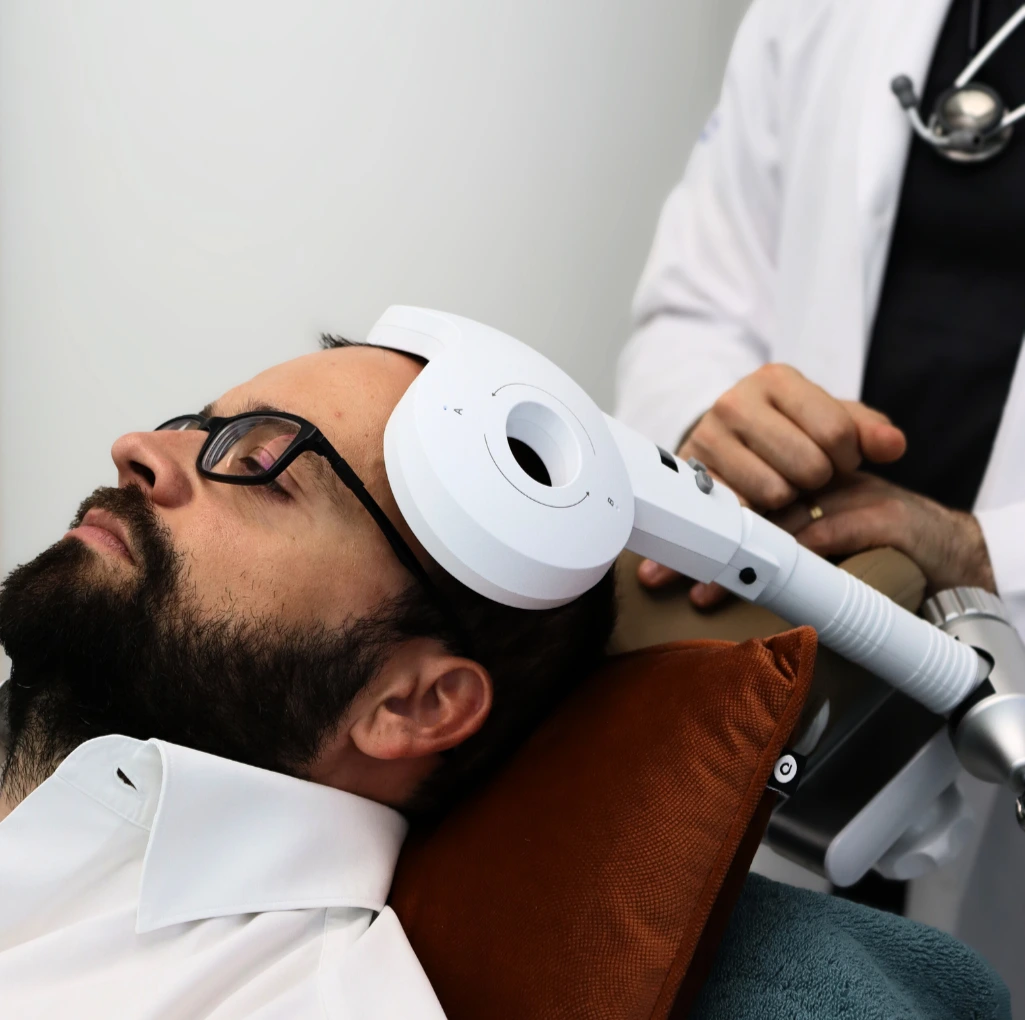
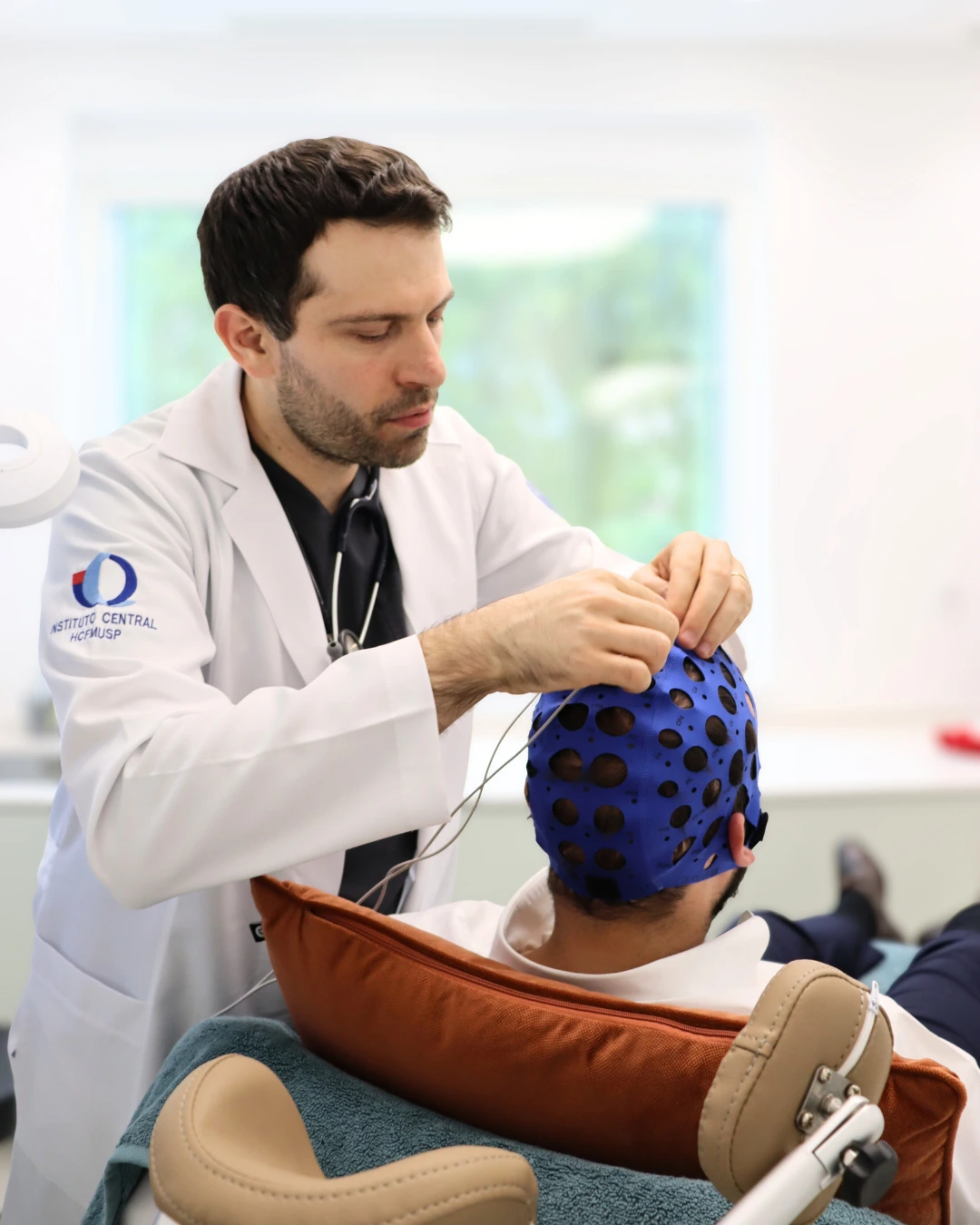
At Clínica NeuroPsyque, we understand the enormous complexity of Eating Disorders and the damage they can cause. Our care includes psychiatry, focused clinical psychology (such as Cognitive Behavioural Therapy) and, in cases of severe comorbidity (such as associated resistant depression), neuromodulation interventions (such as Transcranial Magnetic Stimulation). We work with you with the aim of restoring your quality of life in a safe environment, with total empathy and absolute confidentiality.
FAQ's about Bulimia
What's the difference between Bulimia and Anorexia?
Can Bulimia Nervosa be cured?
What role does medication play in the treatment of Bulimia?
Should the family be involved in the treatment?
Can neuromodulation (such as EMT) be useful in these cases?
How can I book my first appointment without feeling exposed?