Skip to content



DEPRESSION - Treatment in Lisbon
Specialised assessment and advanced treatment for Depression in Lisbon
WHAT IS DEPRESSION?
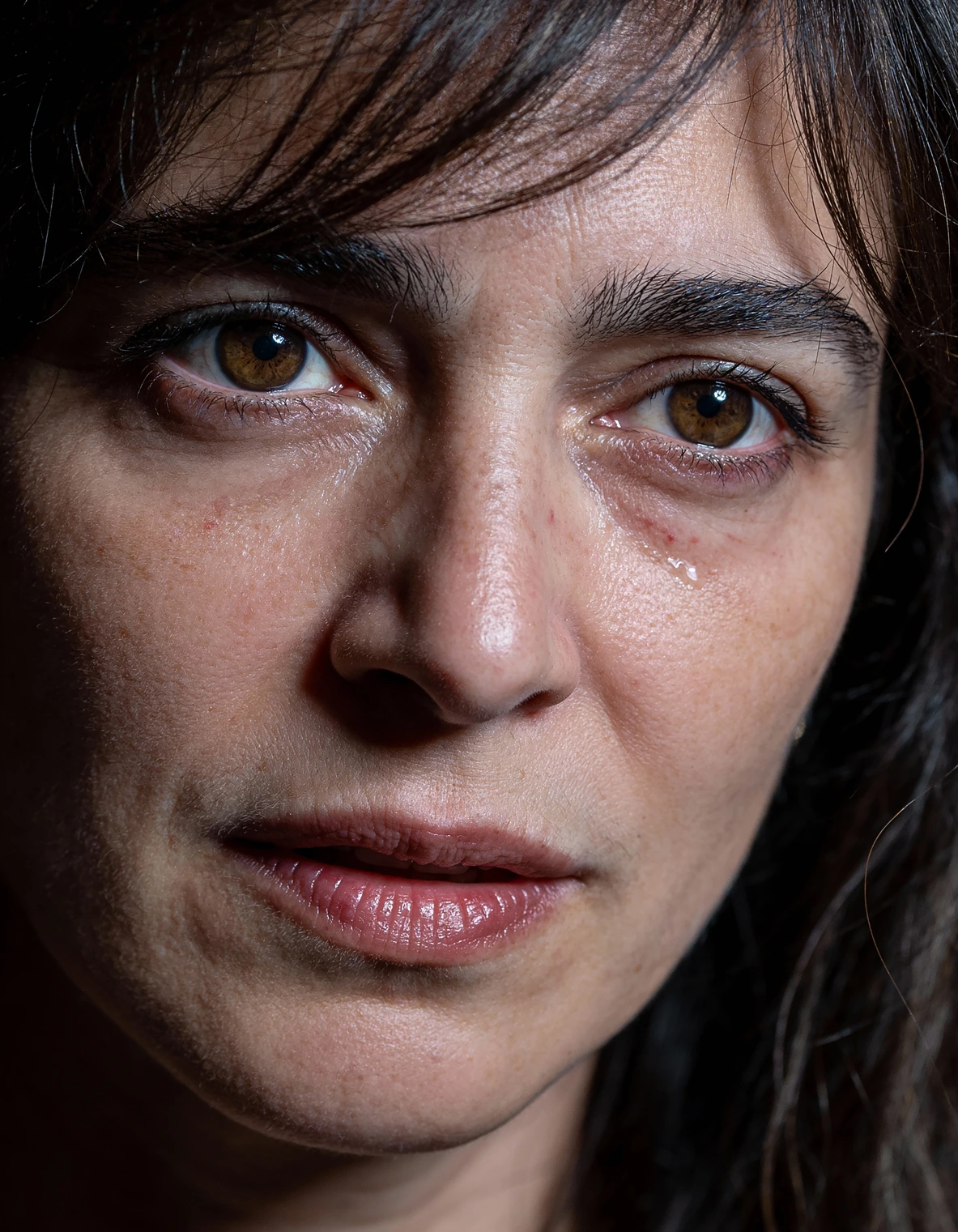
Much more than a passing sadness
Depression is a complex mental and neurobiological disorder that affects the way a person feels, thinks and acts. It results from an interaction between genetic, biological, environmental and psychological factors. It is not a sign of weakness, but a complex clinical condition with the capacity to alter the entire brain structure, which requires careful treatment.
Most common manifestations
- Emotional SymptomsPersistent sadness, apathy, a feeling of emptiness and loss of interest or pleasure (anhedonia).
- Cognitive symptomsDifficulty concentrating, constant thoughts of guilt, loss of hope (pessimism) and a complete lack of motivation or ability to make day-to-day decisions.
- Physical symptomsExtreme fatigue, lack of energy, unexplained pain and significant changes in weight or appetite.
- Sleep disturbancePersistent insomnia or, on the contrary, hypersomnia (too much sleep and difficulty getting out of bed).
MAIN TYPES OF DEPRESSION
Major Depression
Intense episodes of deep sadness, apathy and loss of function, deeply interfering with work, sleep and eating.
Acute / SevereDysthymia (Persistent Depressive Disorder)
A form of chronic depression, mild to moderate in intensity, which can last for years or decades, causing a constant feeling of despondency.
ChroniclePerinatal and Postpartum Depression
It occurs during pregnancy or after the birth of the baby, encompassing symptoms of deep exhaustion, sadness and severe anxiety.
Situational / HormonalTreatment-Resistant Depression
When depression does not respond satisfactorily to multiple attempts with antidepressant drugs, requiring more muscular interventions.
Refractory
The spectrum also includes seasonal depression and depressive episodes associated with Bipolar Disorder.
EFFECTIVENESS IN TREATMENT
DEPRESSION
Solid clinical results with advanced neuromodulation protocols and multidisciplinary intervention
* Data aligned with international clinical guidelines for the treatment of depression. Individual results may vary.
Sources: clinical data, Berlin MT et al. (2014), Psychol Med - meta-analysis of rTMS in TRD (24 studies, 1092 patients; PubMed PMID 24058976); Rimer J et al. (2012), Cochrane Library - rTMS for depression; NIH/PubMed - Trivedi MH et al, STAR*D: remission with combined multimodal treatment.

THE IMPORTANCE OF SEEKING HELP
Depression is a treatable illness, but stigma and isolation often delay diagnosis. A specialised psychiatric assessment is vital to determine the severity of the condition, understand how you really feel, identify any comorbidities (such as anxiety) and establish a therapeutic plan that goes beyond simple medication, acting on the neurobiological and psychological roots of the problem.
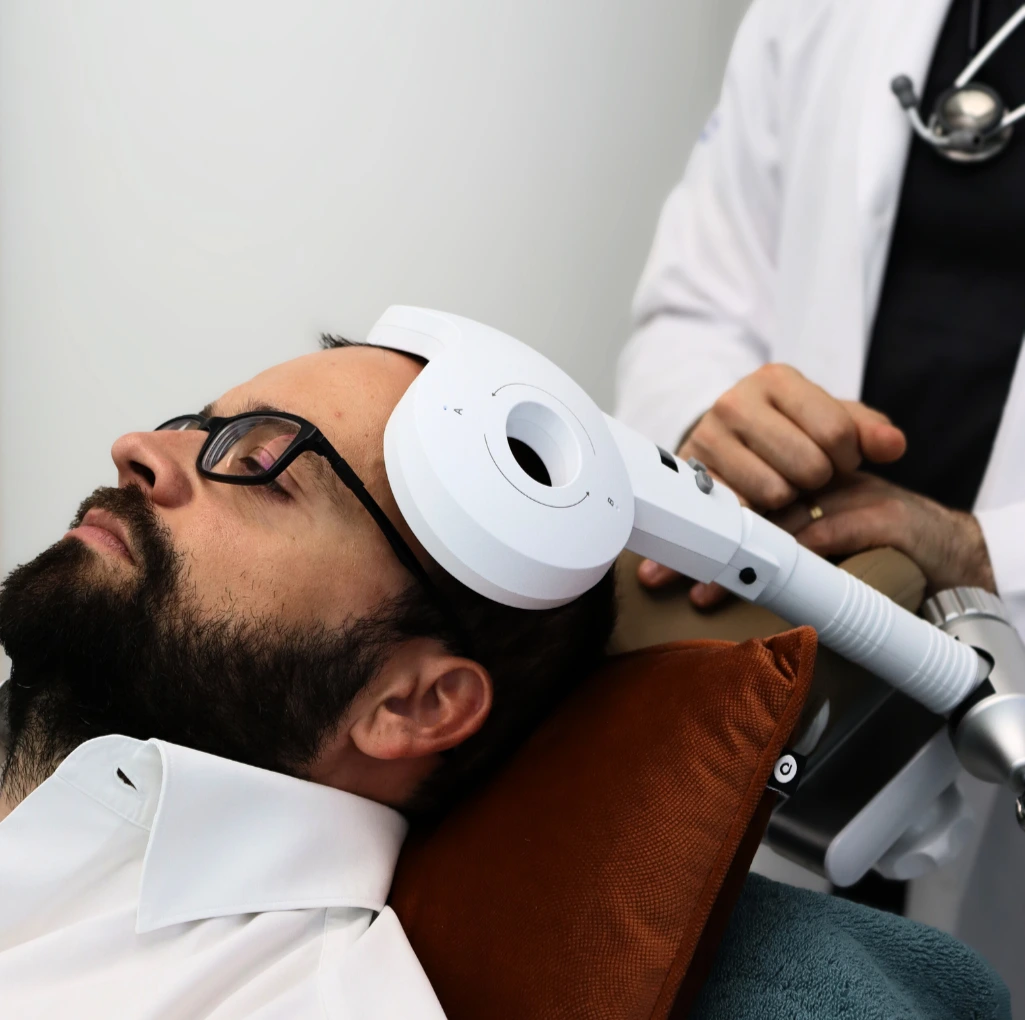
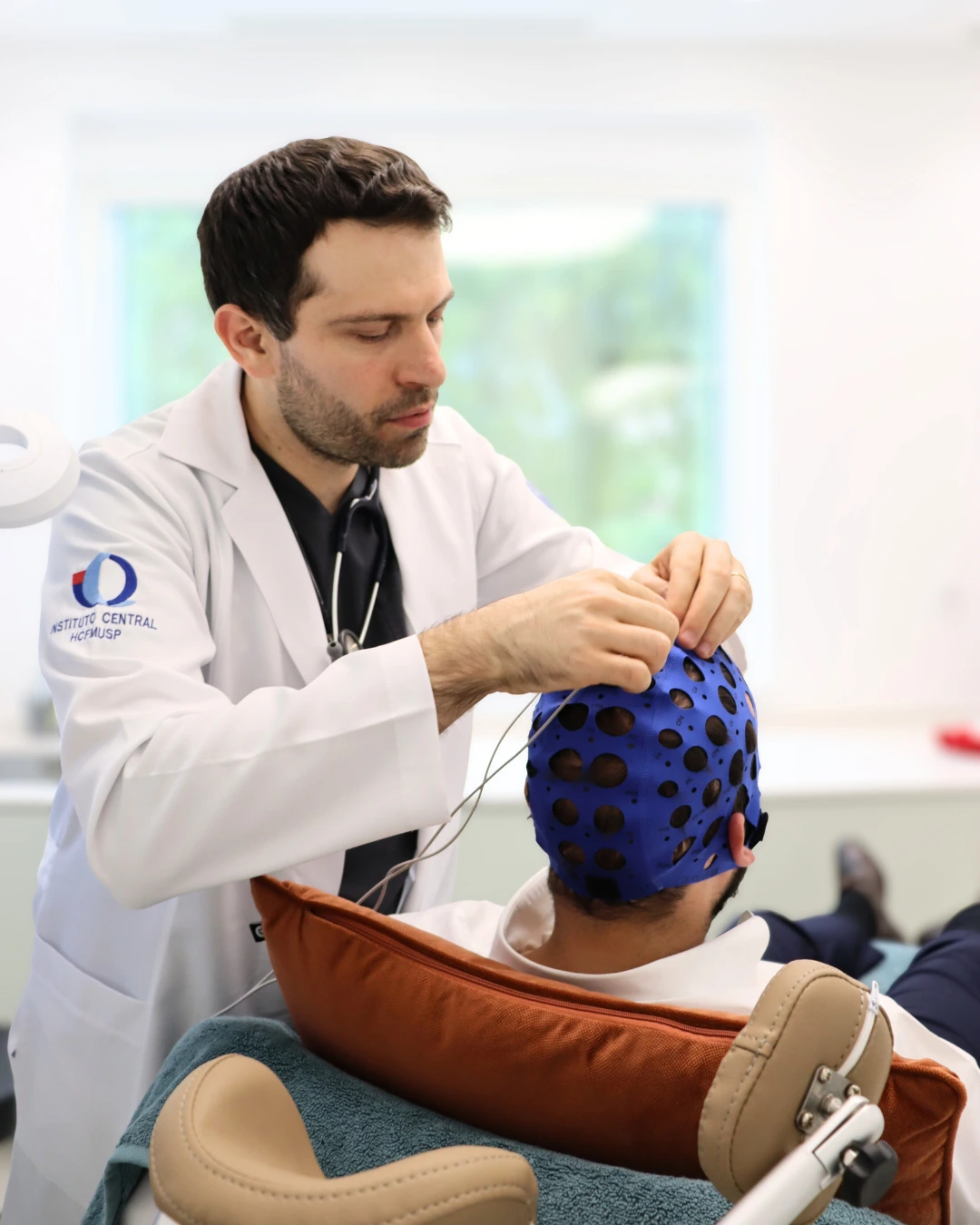
At NeuroPsyque, we offer an approach that is centred on the person and never closed in on the symptoms they present. We combine psychotherapy and pharmacology with the most advanced neuromodulation technology (such as Transcranial Magnetic Stimulation - TMS), internationally approved for resistant depression. Our aim is for you to regain not only functionality, but the genuine desire to wake up every day and enjoy your time.
FAQ's about Depression
What is the difference between normal sadness and depression?
Can depression be cured?
Does neuromodulation (EMT) help with resistant depression?
What should I expect at the first appointment?
Will I have to take antidepressants for the rest of my life?
How does psychotherapy work in depression?
Do I need a medical referral to book an appointment at NeuroPsyque?