 Skip to content


Cognitive Rehabilitation
Fight for Body and Mind.
One clinical programme designed to recover functions such as memory, a attention and reasoning. Advanced neuroscience and cognitive training to regain your autonomy.
Rehabilitation or Stimulation:
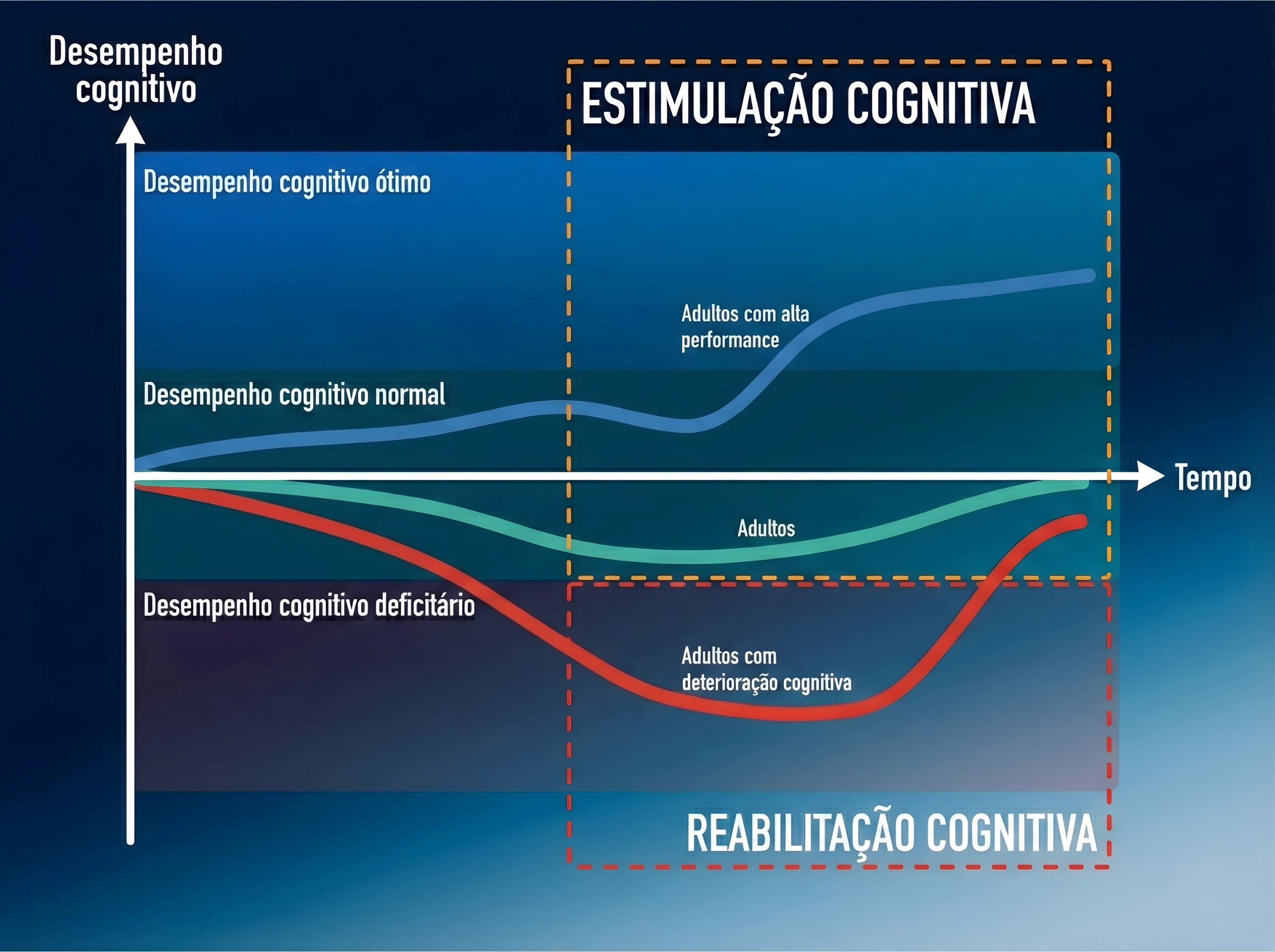
What's the difference?
Often confused, these approaches have different objectives. While Stimulation is like a "gymnasium for the brain", and is used when the cognitive performance is stableTo improve cognitive performance and prevent decline, the Rehabilitation is a clinical process that aims to recover lost or deficient faculties.
In NeuroPsyquewe apply a therapeutic intervention that combines different specialitiesIt is designed to restore specific functions that have been affected by injury or illness, aiming to return to functional autonomyand promoting it in the future to make it last.
The 3 Valences of Rehabilitation

Weighted Diagnosis
An accurate diagnosis is a prerequisite for having the best hope of improvement. Knowing the condition, but above all the person, is central to a rehabilitation process.
Personalised Training
The right tools for the right needs. Putting the person at the centre of the treatment process and treating body and mind as a whole, without sacrificing the future.
Advanced technology
We stimulate the brain's natural ability to create new connections in the affected areas and remove as much as possible from the organ that controls it: the brain.
What kind of conditions?
(stroke and TBI)
You don't need a diagnosis to take care of your brain. Regardless of the diagnosis, rehabilitation is aimed at anyone experiencing memory, attention or language difficulties that are negatively interfering with their daily routine and quality of life.
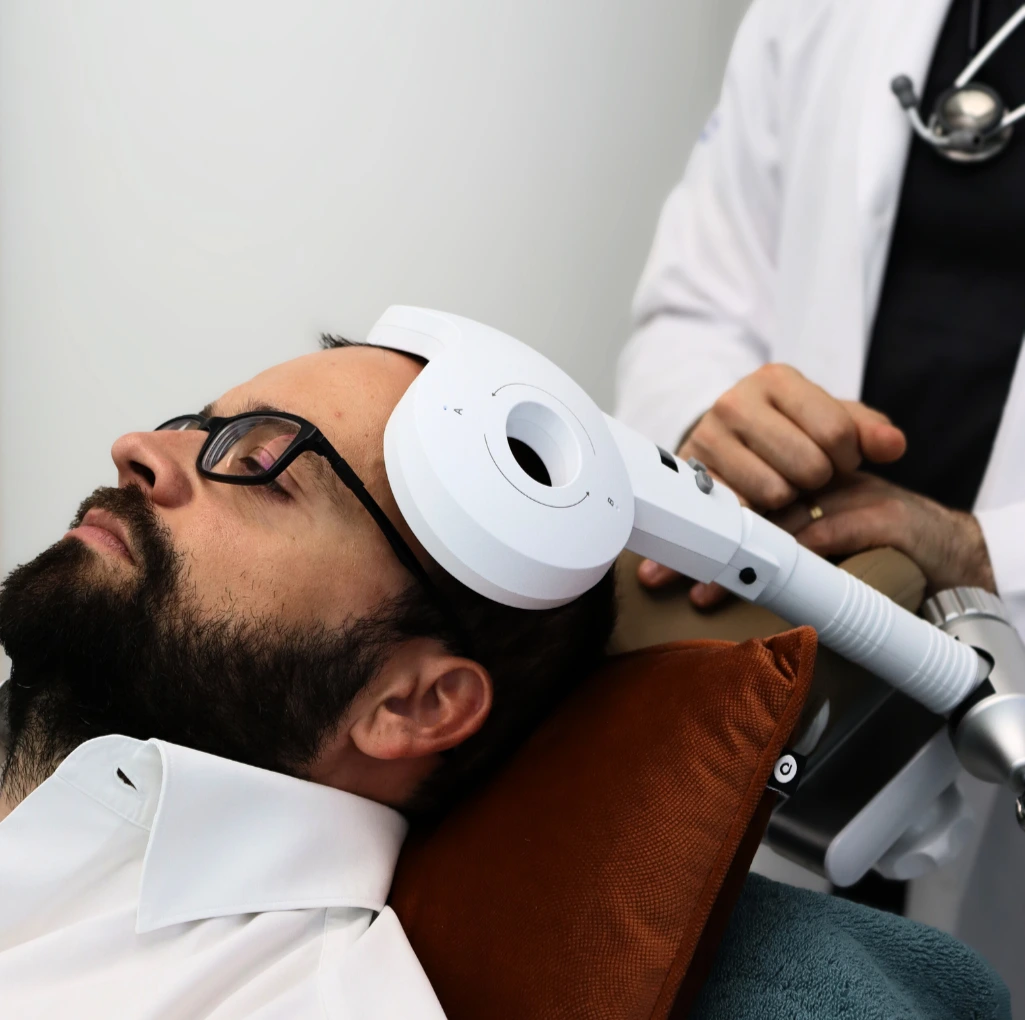
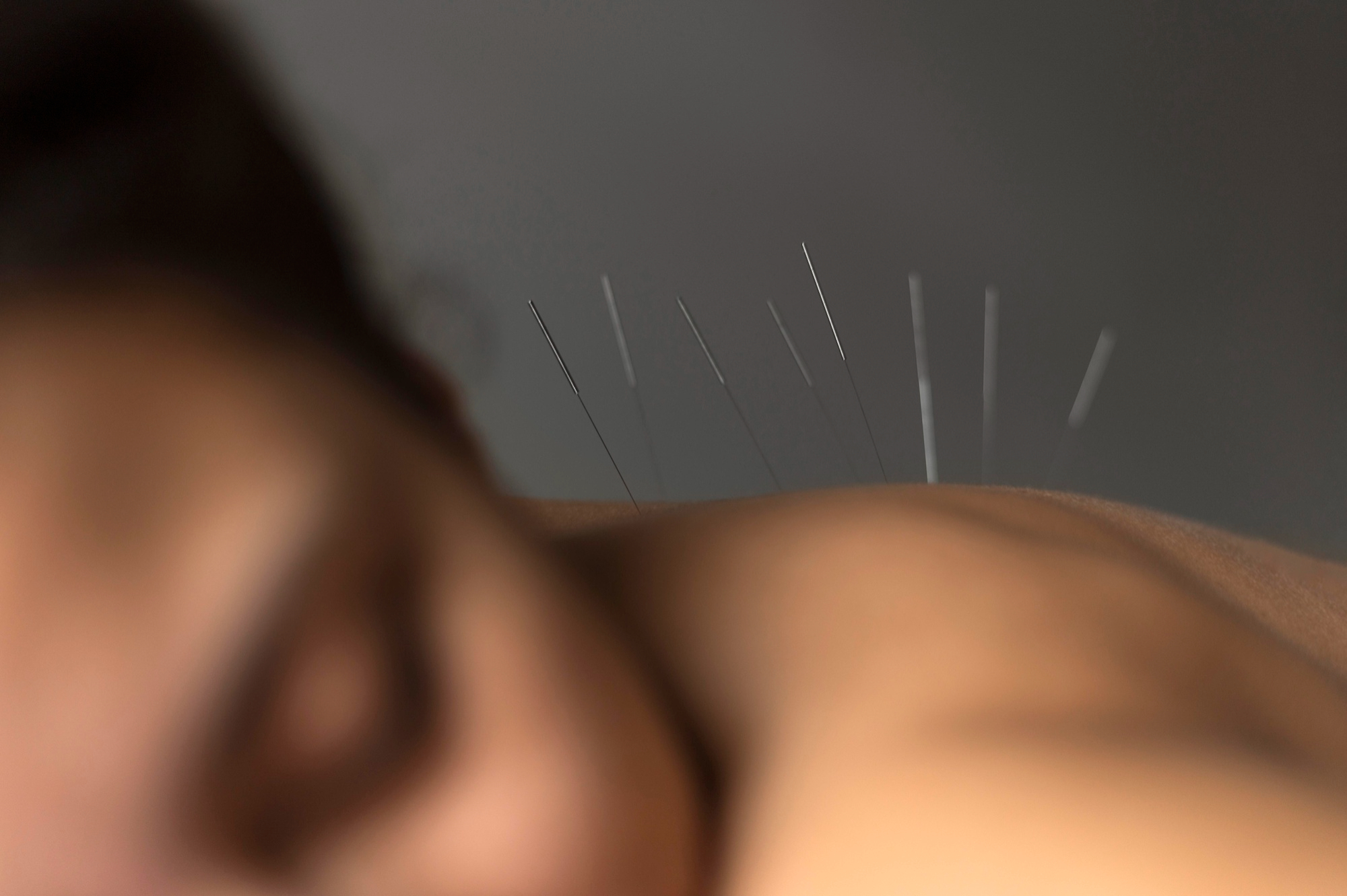
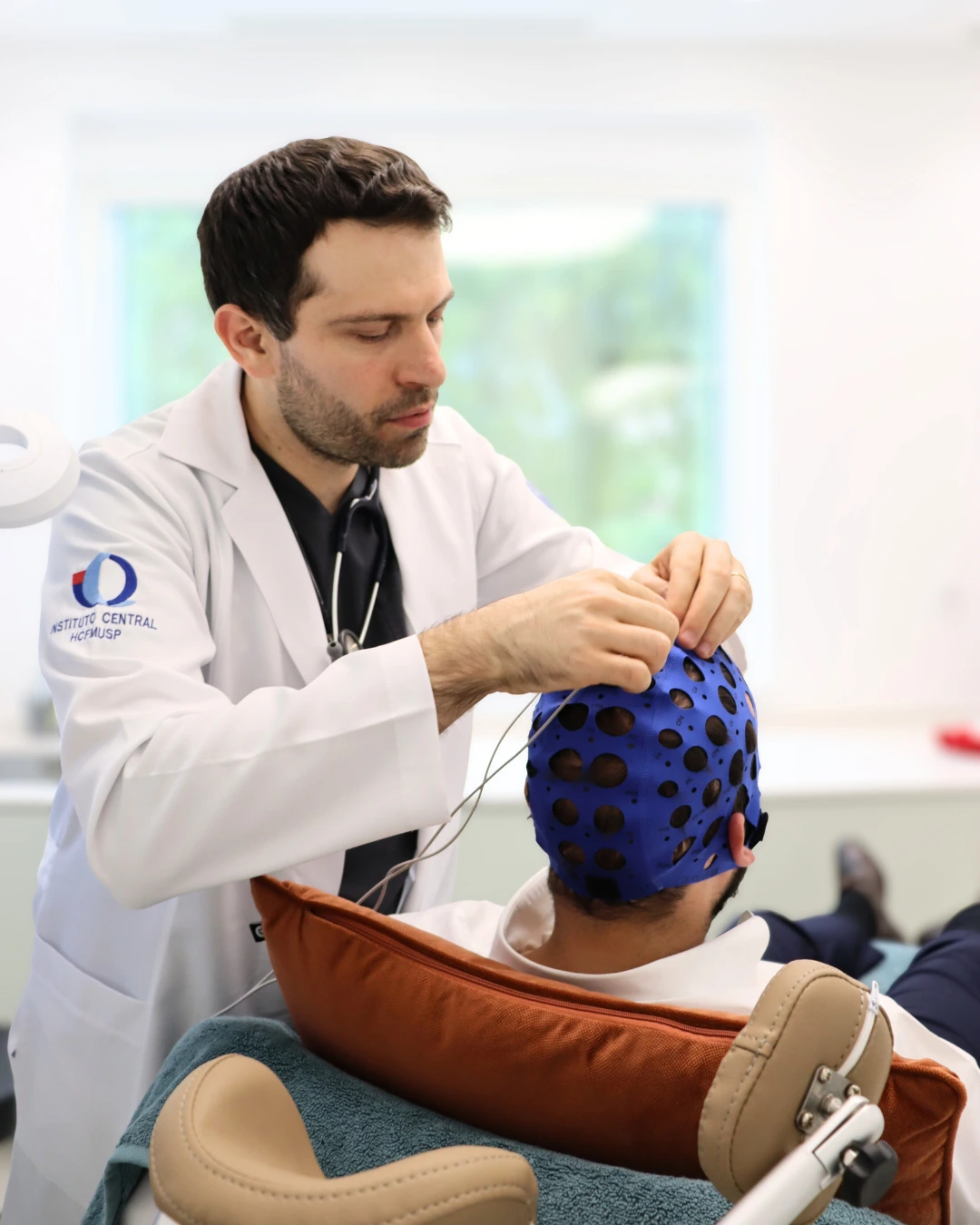
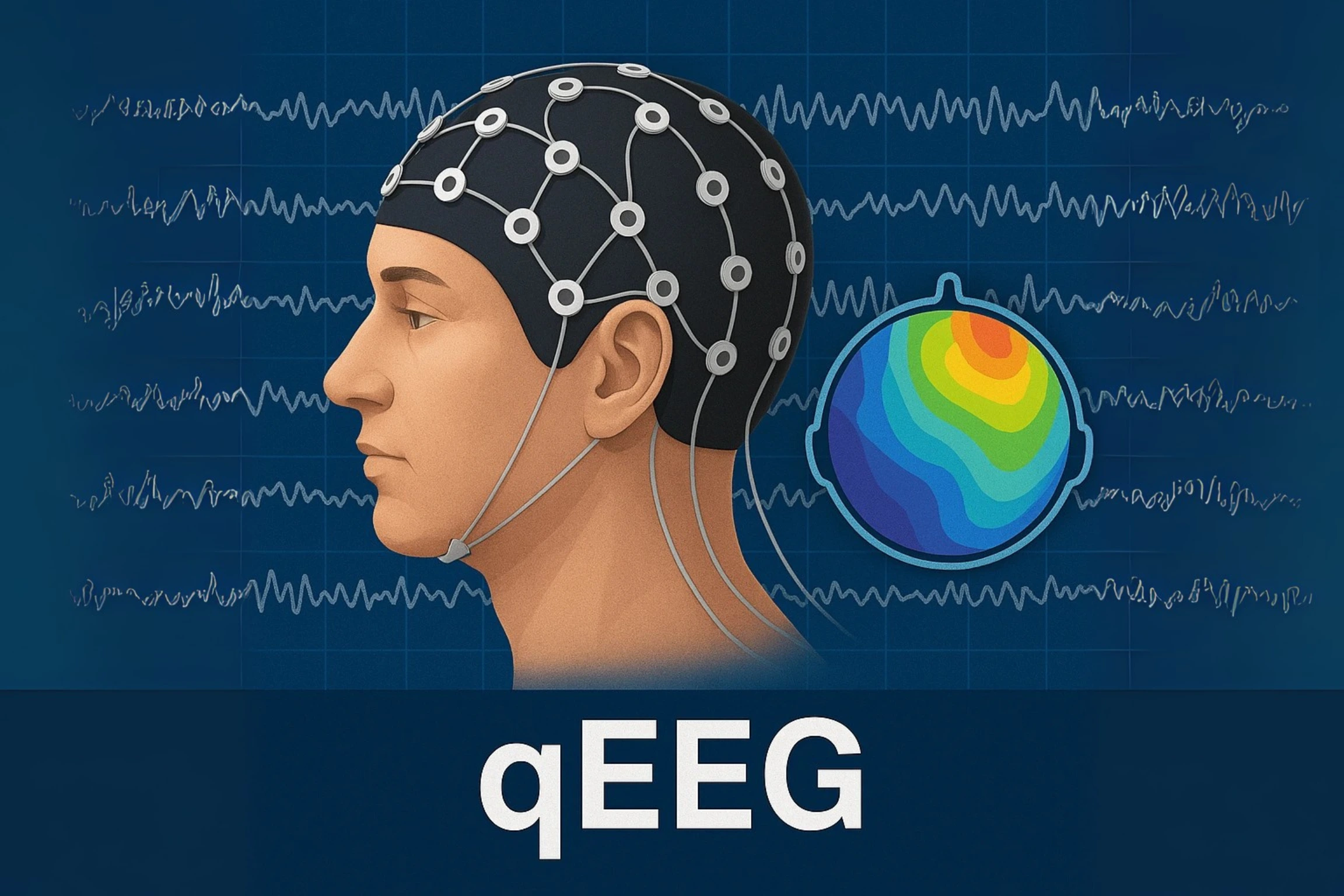
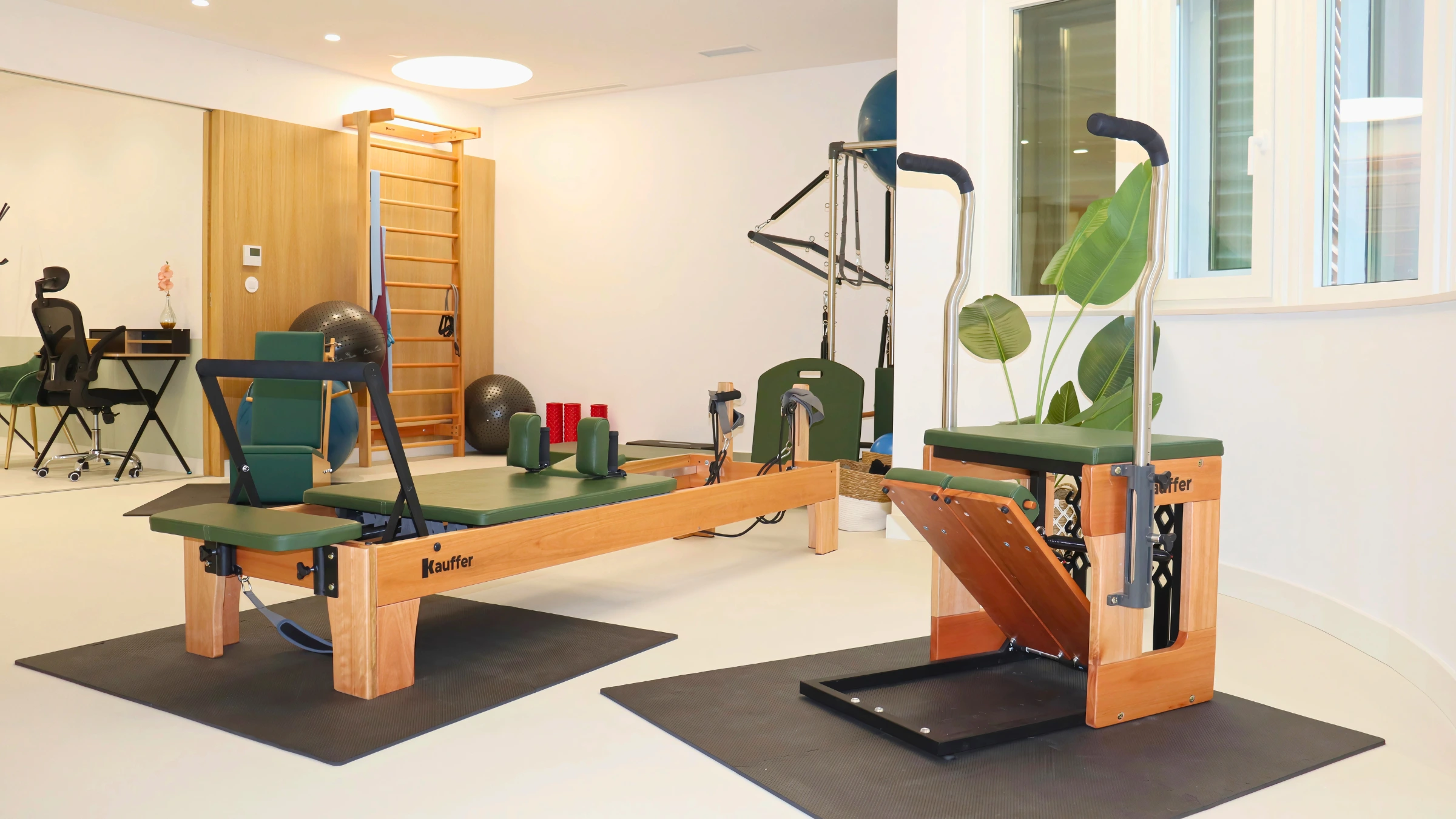
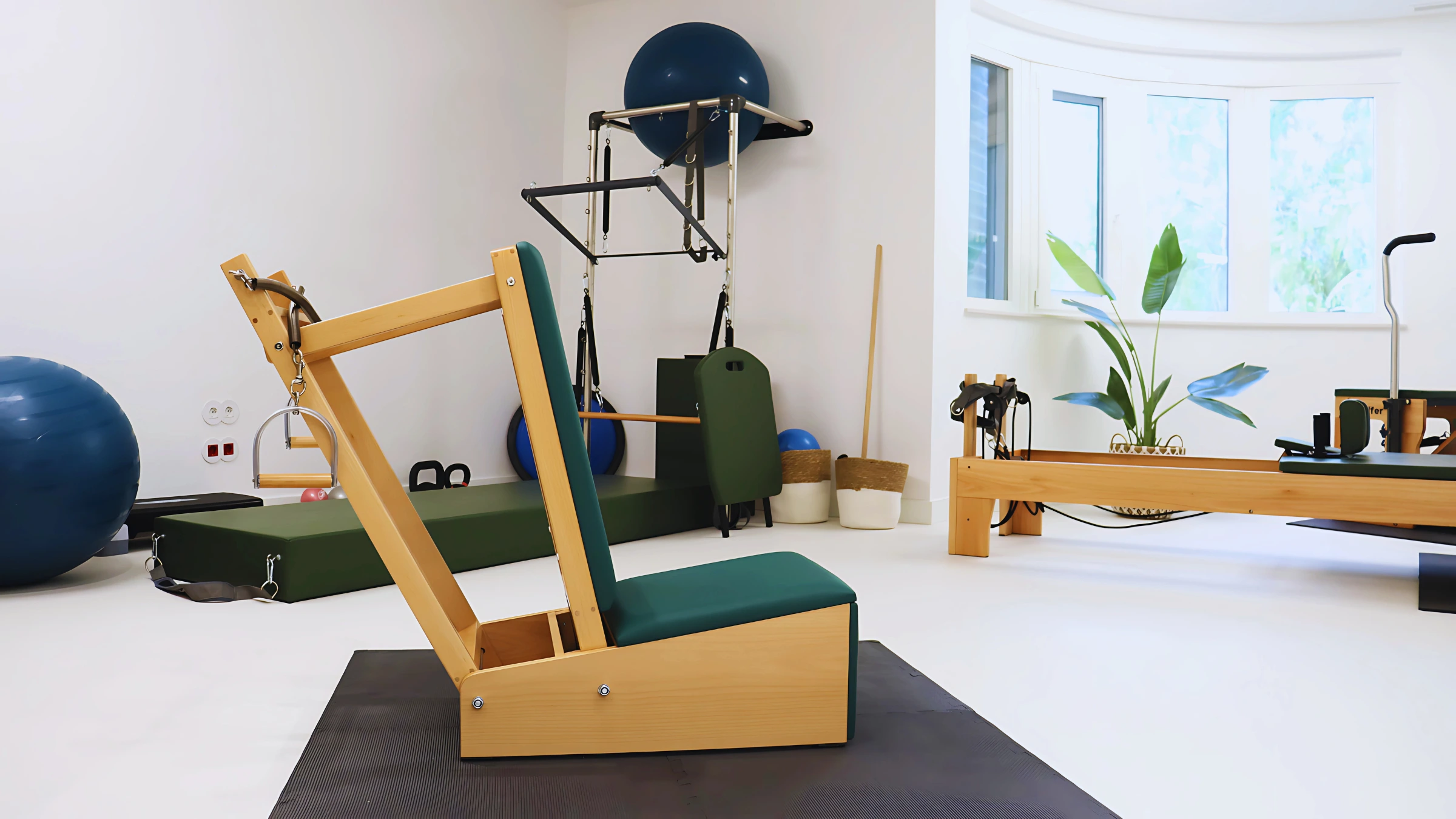
Technology and the Therapeutic Environment

Some Words Left by Our Patients...
"Going through two strokes is not easy at all (...) I would like to thank the professionals at Neuropsyque who have helped me a lot in this process.
- António M., 52 years old
"After Covid, I had a mental fog that scared me. I couldn't concentrate on my work, I'd lose my train of thought in the middle of sentences (...) The treatment gave me back the clarity I thought I'd lost forever."
- Sara S., 38
"At 72 my memory isn't what it used to be, but I feel better knowing that I'm doing my best to keep it going for a long time. Today I feel better, and I want to keep my head working for a long time. Thank you."
- Teresa A., 72
"The injury changed everything. Everything takes a lot of effort. At a certain point I stopped being able to do two things at once and would get lost in simple conversations. (...) The rehabilitation work was intense, but it was worth it. Today I can organise my day without help, but the struggle continues. I'm very grateful to you for everything"
- José F., 60